
Trees
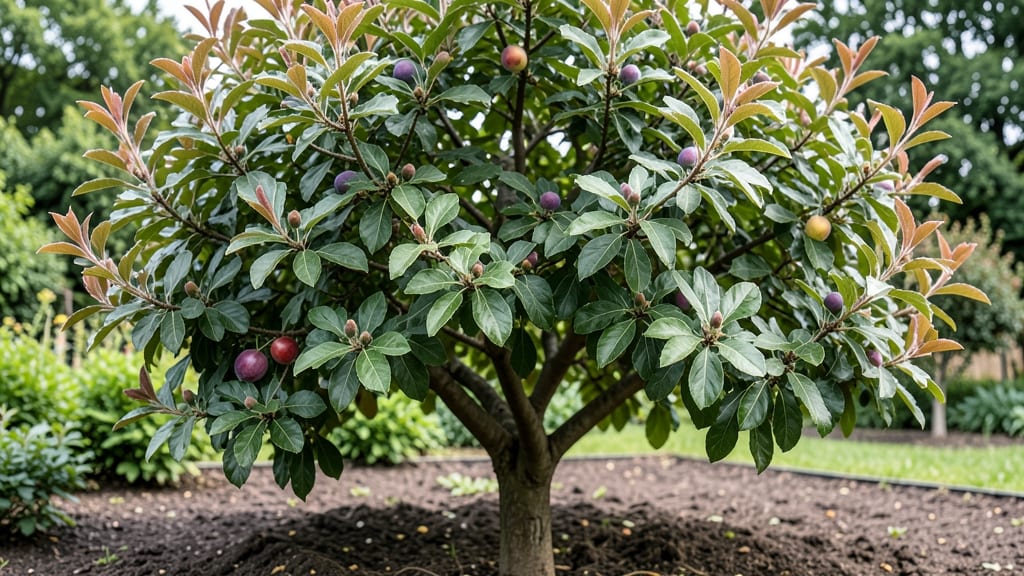
Identifying plum tree leaves starts with their oval shape, smooth edges, and distinctive pointed tip—unlike cherry leaves, which often have serrated edges. 🌿 I’ve spent years comparing plum leaves to their lookalikes, and the veins are a dead giveaway: plum leaves have one prominent central vein with smaller side veins branching out evenly, while apricot leaves tend to be more elongated.
The color shifts from deep red in spring to rich green in summer, sometimes with a slightly waxy finish that sets them apart. Healthy leaves should be free of holes or discoloration—common signs of pests like aphids or diseases such as brown rot.
If yours look spotted or curled, check the undersides for clues. This guide breaks down the key traits so you can confidently spot plum trees in your yard or neighborhood.
Once you master the basics, you’ll notice how plum leaves differ from cherries, peaches, or even wild plums—each has its own subtle quirks. Still unsure? Snap a photo and compare it to local nursery samples or use an app like PlantNet.
The more you observe, the easier it gets—just like recognizing a friend’s face after years of practice.
Understanding Leaf Struggles
Plum tree leaves don’t just change—they often signal deeper issues lurking beneath the bark. Whether it’s sudden discoloration, curled edges, or mysterious spots, these visual cues are your tree’s way of shouting, “Something’s wrong!” Let’s break down the science behind the most common leaf problems and why they happen.
Plum trees are resilient, but extreme or sudden shifts in their environment can push them past their comfort zone. Here’s how:
🔥 Heat and Drought
Plum trees thrive in temperate climates, but prolonged heatwaves or water scarcity trigger stress responses like:
- Wilting or crispy edges: When roots can’t absorb enough water, leaves lose turgor pressure, causing them to droop or develop brown, brittle edges.
- Premature leaf drop: Trees sacrifice leaves to conserve moisture, especially in species like Prunus salicina (Japanese plum), which are drought-sensitive.
- Sunburn (scorch): Direct afternoon sun on leaves with insufficient moisture causes bleached or necrotic patches, often on the leaf’s upper surface.
Why it happens: High temperatures increase transpiration rates (water loss through leaves), while dry soil restricts water uptake. Without adaptation, cells suffer oxidative damage from excess sunlight.
Actionable fix: Mulch heavily (3–4 inches) to retain soil moisture, and water deeply 1–2 times per week during droughts. Avoid overhead irrigation, which can encourage fungal issues.
🌧️ Overwatering or Poor Drainage
While drought stresses trees, excess water creates a different kind of chaos:
- Yellowing leaves (chlorosis): Waterlogged roots starve leaves of oxygen, disrupting nutrient uptake (especially iron and manganese).
- Blackened or mushy leaves: Fungal pathogens like Phytophthora thrive in soggy soil, leading to leaf blight or root rot.
- Stunted growth: Roots suffocate, limiting the tree’s ability to transport water and nutrients.
Why it happens: Poor drainage leads to anaerobic conditions in the soil, where beneficial microbes die off and harmful pathogens flourish. Plum trees, native to well-drained hillsides, hate “wet feet.”
Actionable fix: Improve drainage by amending soil with compost or perlite, and ensure the planting site has a slope or raised bed. Test soil pH (ideal: 6.0–6.5) and avoid compacted clay.
Plum trees are a buffet for insects, fungi, and bacteria. Here’s how they hijack your tree’s health:
🐜 Sap-Sucking Insects (Aphids, Scale, Spider Mites)
These tiny vampires pierce leaves to feed on sap, leaving behind:
- Sticky residue (honeydew): A sugary film that attracts sooty mold (black fungal growth).
- Curled or puckered leaves: Insect saliva contains toxins that warp leaf tissue.
- White/yellow spots: Direct feeding damage or secondary fungal infections.
Why it happens: Insects target new growth because it’s nutrient-rich. Aphids, for example, reproduce exponentially in warm, humid conditions, while scale insects secrete a waxy shield that blocks pesticides.
Actionable fix:
- Blast off pests with a strong stream of water (disrupts their grip).
- Use neem oil or insecticidal soap (apply at dusk to avoid harming bees).
- Introduce ladybugs or lacewings (natural predators).
🍄 Fungal Infections (Leaf Spot, Powdery Mildew, Rust)
Fungi love the humid, shaded conditions under plum trees.
Common symptoms include: - Target-like spots** (e.g., Cercospora leaf spot): Brown rings with yellow halos. - White powdery coating (powdery mildew): Thrives in 70–80°F temps with high humidity. - Orange pustules (rust fungus): Often on the underside of leaves, causing premature drop.
Why it happens: Fungi spread via spores, which hitchhike on wind, water, or pruning tools. Plum trees are especially susceptible because their leaves stay wet for long periods (e.g., after rain or overhead watering).
Actionable fix:
- Prune for airflow: Remove crowded branches to reduce humidity.
- Apply copper fungicide at the first sign of spots (prevents spore germination).
- Clean up fallen leaves (remove them from the base of the tree).
🦟 Bacterial Leaf Spot
Caused by Xanthomonas or Pseudomonas, this disease creates:
- Water-soaked spots that turn tan or brown with yellow borders.
- Oozing bacterial slime in severe cases (smells foul).
Why it happens: Bacteria enter through wounds (e.g., from hail, pruning cuts, or insect bites) and thrive in wet, warm conditions. They spread via rain splash or contaminated tools.
Actionable fix:
- Sterilize pruners with rubbing alcohol between cuts.
- Remove infected leaves and destroy them (do not compost).
- Use copper-based bactericides in spring before new growth.
Even the hardiest plum trees need the right micronutrients. Deficiencies show up as distinct leaf patterns:
| Symptom | Likely Cause | Why It Happens |
|---|---|---|
| Yellow between veins | Iron (chlorosis) | Poor uptake in alkaline soil (pH > 7.0) or compacted roots. |
| Purple stems/leaves | Phosphorus | Common in cool, wet soils or after heavy fruiting (tree prioritizes fruit over leaves). |
| Brown leaf edges | Potassium or magnesium | Often linked to overwatering or high soil sodium (e.g., from tap water). |
| Small, pale leaves | Nitrogen | Tree exhausts soil nitrogen during rapid growth or after a heavy harvest. |
Actionable fix:
- Test soil (kit or lab) and amend with chelated iron (for chlorosis) or bone meal (for phosphorus).
- Avoid over-fertilizing with nitrogen—plum trees need a balanced 10-10-10 ratio.
- Use Epsom salt (magnesium sulfate) for brown edges (1 tbsp per gallon of water, foliar spray).
Not all leaf issues are bad news—some are just plum tree personality quirks:
- Serration differences: European plums (Prunus domestica) have coarser, more jagged edges than Japanese plums (Prunus salicina), which are smoother.
- Leaf size/shape: Dwarf varieties (e.g., ‘Santa Rosa’) have smaller, rounder leaves compared to standard trees.
- Foliage color: Some cultivars (like ‘Methley’) develop red or purple hues in fall—totally normal!
Why it happens: These traits are hardwired into the species through selective breeding. If your tree’s leaves look “off” but the tree is otherwise healthy, it might just be genetics at play.
Actionable fix: Cross-reference your tree’s leaves with a cultivar guide (e.g., from the [National Fruit Collection](https://www.nationalfruitcollection.org.uk/)). If unsure, share a photo with a local extension service for ID.
Quick Fixes for Common Plum Tree Leaf Issues
Plum tree leaves can develop problems that affect their health, appearance, and even fruit production—but most issues have straightforward fixes. Below, we’ve mapped common causes to practical solutions, so you can restore your tree’s vitality fast.
Whether it’s pests, disease, or environmental stress, these steps will help you diagnose, treat, and prevent problems before they worsen.
If your plum tree leaves show holes, discoloration, or sticky residue, pests are likely the culprit. Here’s how to tackle them:
🔥 Japanese Beetles or Leafhoppers (Holes + Sticky Sap)
- 🍳 Spray with Neem Oil or Insecticidal Soap Mix 1 tablespoon of neem oil or insecticidal soap per quart of water, then spray early morning or late evening (avoid direct sunlight).
Repeat every 5–7 days until pests disappear. - 👨🍳 Handpick Larvae Japanese beetle larvae (white grubs) hide in soil. Use a trowel to dig 2–3 inches deep around the base and remove them manually.
Dispose of them in soapy water to kill them. - 🥘 Install Row Covers Lightweight floating row covers (like those for vegetables) can physically block beetles from reaching leaves. Secure edges tightly to prevent entry.
💡 Prevention Tip: Plant marigolds, catnip, or garlic nearby—these repel Japanese beetles naturally. Also, prune infested branches in late fall to reduce overwintering sites.
🍄 Spider Mites (Yellowing + Fine Webbing)
- 🔪 Blast Off with Water Spider mites hate moisture. Use a hose to spray leaves thoroughly (especially undersides) every 2–3 days during dry spells.
- 🌡️ Introduce Beneficial Predators Release lacewings or predatory mites (available at garden centers).
They feed on spider mites without harming the tree. - ✨ Use Diatomaceous Earth (DE) Sprinkle food-grade DE on soil and leaf surfaces. It dehydrates mites but is safe for plants. Reapply after rain.
💡 Prevention Tip: Keep your tree well-watered—mites thrive in dry, hot conditions. Mulch around the base to retain moisture.
If leaves show powdery coatings, dark spots, or curled edges, fungi are likely to blame. Act fast to stop the spread.
🍳 Powdery Mildew (White Dusty Patches)
- 👨🍳 Baking Soda Spray Mix 1 teaspoon baking soda + 1 teaspoon horticultural oil + 1 quart of water + a drop of dish soap.
Spray every 7–10 days until symptoms fade. - 🥘 Improve Air Circulation Thin out dense branches to allow airflow. Avoid overhead watering—water at the base instead. - 🔪 Remove Infected Leaves Prune and dispose of heavily infected foliage in the trash (not compost).
Sterilize pruners with rubbing alcohol between cuts.
💡 Prevention Tip: Space trees properly (at least 10–15 feet apart) to reduce humidity buildup. Water in the morning so leaves dry quickly.
🍄 Brown Leaf Spot or Rust (Dark Spots + Yellowing)
- 🔪 Fungicide Treatment Use a copper-based fungicide (like Bordeaux mixture) or organic neem oil fungicide.
Apply every 2–3 weeks until new growth appears healthy. - 🌡️ Clean Up Debris Rake and remove fallen leaves (fungal spores overwinter here). Sterilize tools after pruning. - 🎯 Adjust Watering Habits Avoid wetting leaves—water deeply at the base instead. Consider drip irrigation to keep foliage dry.
💡 Prevention Tip: Plant resistant varieties like Stanley or Methley plums, which tolerate diseases better. Mulch with straw to reduce soil splashes onto leaves.
Leaves may yellow, wilt, or drop due to poor soil, extreme weather, or improper care.
🍳 Yellowing Leaves (Nutrient Deficiency)
- 💪 Soil Test First Send a soil sample to a local extension office (costs ~$20).
Results will show if your tree needs iron, zinc, or nitrogen. - 🥘 Apply Organic Amendments - Iron deficiency? Use chelated iron spray or iron sulfate granules in the soil. - Nitrogen deficiency? Add compost or blood meal in early spring. - Zinc deficiency? Sprinkle zinc sulfate around the root zone and water deeply.
💡 Prevention Tip: Mulch annually with 2–3 inches of compost or aged manure to slowly release nutrients. Avoid over-fertilizing, which can burn roots.
🍄 Leaf Scorch (Brown Edges + Crispy Texture)
- 🌡️ Deep Watering Fix Plum trees hate drought stress.
Water deeply 1–2 times per week (check soil—top 2 inches should be moist). - 🎯 Shade Cloth for Hot Climates If temperatures consistently exceed 90°F (32°C), install 30–50% shade cloth temporarily to reduce leaf stress. - 🔪 Prune for Better Airflow Thin out crowded branches to prevent humidity buildup, which worsens scorch.
💡 Prevention Tip: Mulch heavily (4–6 inches) to retain moisture and regulate soil temperature. Water slowly (drip irrigation works best).
No matter the issue, consistent care keeps plum trees thriving:
- 🍳 Prune in Late Winter (before buds swell) to remove dead/diseased wood.
- 👨🍳 Monitor Regularly—check both leaf sides weekly for early signs of pests/disease.
- 🥘 Avoid Overwatering—plum trees prefer well-draining soil (amend clay soil with sand or compost).
- 🌡️ Winter Protection—in cold climates, wrap the trunk with burlap to prevent sunscald.
💡 Pro Tip: Keep a tree care journal—note when you water, fertilize, and prune. This helps you spot patterns in leaf problems before they escalate!
Frequently asked questions about plum tree leaves
How do plum tree leaves differ from cherry tree leaves?
Plum leaves are typically oval with smooth edges and a pointed tip, while cherry leaves often have serrated (toothed) edges. Plum leaves also have a slightly waxy texture and a more pronounced central vein compared to cherry leaves, which are usually thinner and more delicate.
Can I identify plum tree varieties just by looking at the leaves?
Yes, but it takes practice! European plums (Prunus domestica) have coarser, more jagged edges, while Japanese plums (Prunus salicina) feature smoother, rounder leaves. Dwarf varieties like 'Santa Rosa' have smaller leaves compared to standard trees. Check leaf size, shape, and edge texture for clues.
What do brown spots on plum leaves usually mean?
Brown spots often signal fungal infections like leaf spot or rust, or environmental stress from overwatering or poor drainage. Examine the spots closely—if they have yellow halos, it’s likely fungal. For dry, crispy brown edges, check soil moisture and adjust watering habits.
Are yellow plum leaves always a sign of disease?
Not necessarily! Yellowing can indicate nutrient deficiencies (like iron chlorosis) or overwatering. Test your soil—yellowing between veins often means iron deficiency, while yellowing at the edges may signal potassium or magnesium issues. Adjust fertilizers or improve drainage accordingly.
How can I tell if my plum tree leaves are healthy?
Healthy plum leaves should be vibrant green, free of holes or spots, and firm to the touch. Check the undersides for pests like aphids or mites. If leaves are curled, sticky, or covered in webbing, your tree may need treatment. Compare yours to images of healthy plum foliage for reference.