
Pruning
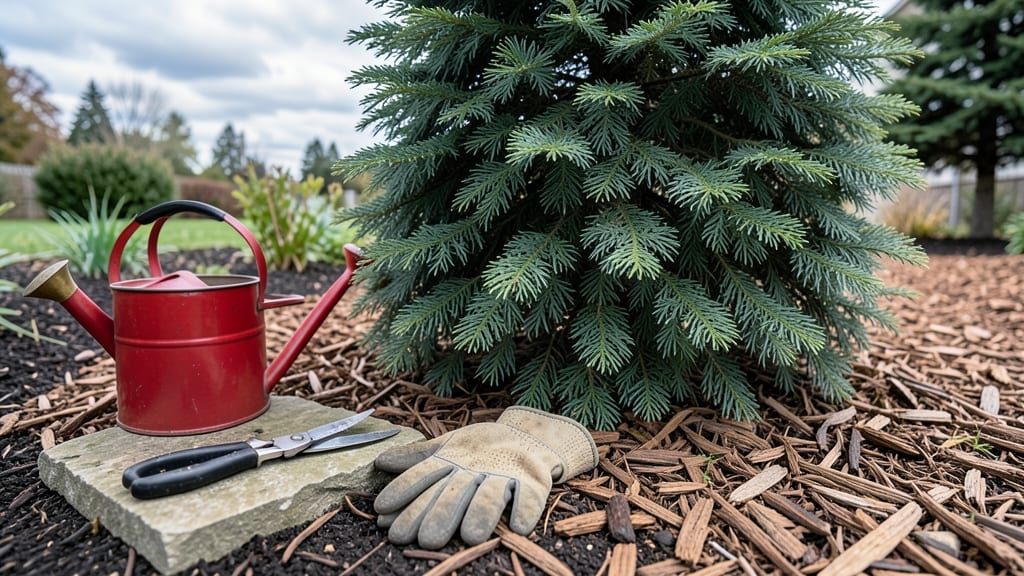
Your arbor vitae tree care starts with the right pruning rhythm. ✂️ I’ve learned that skipping seasonal trims leads to leggy branches, sparse foliage, and those dreaded brown patches—so I prune mine four times a year, not just once.
The key isn’t cutting everything back, but shaping for airflow and light, which keeps the tree lush and pest-resistant.
First, gather your tools: sharp bypass pruners (dull blades tear bark), loppers for thicker branches, and a ladder if you’re working high. Always sterilize tools with rubbing alcohol to prevent disease spread.
I prune lightly in spring, remove dead growth in summer, thin out crowded branches in fall, and do a final cleanup in winter before new growth starts.
What you’ll end up with is a tree that stays compact, full, and vibrant year-round. The foliage turns that signature emerald green, and you’ll notice fewer brown needles from overcrowding. Even better? Pruned arbor vitae trees resist pests like spider mites and bagworms because sunlight and air circulate better.
This method works for both young trees and mature specimens—just adjust the intensity. For example, newly planted trees need gentle shaping, while established trees can handle more aggressive thinning. The goal is always the same: a thriving, balanced tree that’s the envy of the neighborhood.
📚 In This Guide
- What you need
- Instructions
- Tips and common mistakes
- Wrapping up and next steps
What you need
- ● Pruning shears: Sharp, bypass-pruners (for small branches, 5–8 inches long) 🔪
- ● Loppers: Heavy-duty, 18–24 inch loppers (for thicker branches, ½–1.5 inches in diameter)
- ● Pruning saw: Curved-tooth saw (for branches 1.5+ inches thick)
- ● Gloves: Heavy-duty, cut-resistant gloves (e.g., Mechanix or leather)
- ● Ladder or step stool: Sturdy, extendable ladder (if tree exceeds 6 feet)
- ● Disinfectant: 70% isopropyl alcohol or bleach solution (1:9 ratio) to sterilize tools
- ○ Pruning sealant (optional): Tree wound sealant (for cuts > ½ inch)
- ● Trash bags or bucket: For collecting debris (1–2 large bags or a 5-gallon bucket)
- ● Eye protection: Safety goggles (to shield from debris)
- ● Long sleeves/pants: Protective clothing (to avoid scratches from branches)
- ● Weather check: Prune on a dry, calm day (avoid wind/rain)
- ○ Tree assessment tools (optional): Measuring tape (for tracking branch thickness)
- ● Notebook/pencil (to sketch pruning plan)
Step-by-Step arbor vitae tree care for year-round health
Here’s how to keep your arbor vitae thriving through every season with precise pruning and maintenance.
✂️ Step 1: Assess and Plan Your Pruning Schedule
Arbor vitae trees respond best to light pruning year-round, with major shaping done in late winter or early spring before new growth begins. Start by examining the tree for dead, diseased, or crossing branches—these are your top priorities. Use a sharp pair of pruning shears to make clean cuts just above a healthy bud or lateral branch, angled slightly away from the branch collar.
I always check for sunburned or frost-damaged tips in early spring—these appear as brown, crispy needles. Trim them back to fresh green growth to encourage new, healthy foliage. Avoid heavy pruning in fall, as it stimulates tender new growth that won’t survive winter cold.
☀️ Step 2: Prune for Shape and Airflow
Arbor vitae trees grow best with open, airy canopies to prevent fungal diseases like canker or root rot. Focus on removing branches that grow inward or rub against others—these create wounds that invite pests. Use hand pruners for branches under ½ inch thick, and a pruning saw for thicker limbs, always cutting at a 45-degree angle just outside the branch collar.
For a naturally tapered shape, trim the outer tips of branches to encourage fuller growth at the base. I like to step back every few cuts to visualize the tree’s silhouette—this helps avoid over-pruning, which weakens the tree. Never remove more than 25% of the foliage in a single season, or you’ll stress the tree.
💧 Step 3: Water and Mulch for Recovery
After pruning, arbor vitae trees need consistent moisture to heal. Water deeply once a week (or more in extreme heat) until the soil is 6 inches damp—stick your finger in to check. Overwatering is just as harmful as underwatering, so avoid soggy soil, which can lead to root rot.
Apply 2-3 inches of mulch around the base (but keep it 6 inches away from the trunk) to retain moisture and regulate soil temperature. I use pine bark or shredded leaves—both break down slowly and improve soil structure. Replenish mulch annually, as it decomposes over time.
🌱 Step 4: Monitor for Pests and Diseases
Arbor vitae trees are generally tough, but they’re prone to spider mites, bagworms, and fungal infections if stressed. Inspect the tree monthly for signs like yellowing needles, webbing, or sawdust-like frass (bagworm droppings). Treat infestations early with neem oil or insecticidal soap—these are safe for the tree and the environment.
If you spot white, cottony growth (likely powdery mildew), improve airflow by pruning crowded branches and spray with a fungicide if needed. Healthy arbor vitae trees have vibrant green needles and no excessive needle drop—these are your key indicators of success.
⏰ Step 5: Winter Protection for Young Trees
Mature arbor vitae trees handle winter well, but younger trees (under 5 years old) need extra care. Wrap the trunk with tree wrap or burlap to prevent sunscald (bark damage from winter sun). In extremely cold climates, mound 4-6 inches of mulch around the base for insulation.
I also avoid heavy pruning in winter—just remove dead or broken branches to keep the tree clean. If your area gets heavy snow, gently brush off accumulation to prevent branch breakage. Arbor vitae trees are evergreens, so they’ll stay green year-round if cared for properly.
Tips & tricks for perfect arbor vitae tree care
Here's what nobody tells you about keeping your arbor vitae thriving—these are the tricks that make all the difference between a struggling tree and one that stays vibrant year after year.
Timing is Everything: The late winter/early spring window for major pruning (as mentioned in Step 1) is non-negotiable for arbor vitae. This timing aligns with the tree's natural dormancy period, allowing it to heal quickly before new growth begins. I've seen trees recover beautifully from pruning done in this window, but the same cuts made in summer can stress the tree and invite pests. For minor maintenance like removing dead branches, you can prune year-round—but always avoid heavy pruning in fall.
Tool Precision Matters: Using the right tool for each branch size (as specified in Step 2) makes a huge difference in healing. Hand pruners create cleaner cuts on branches under ½ inch thick, while a pruning saw handles thicker limbs without tearing. I always sterilize my tools with rubbing alcohol between cuts to prevent spreading disease. This simple step has saved me from multiple fungal infections over the years. The 45-degree angle cut just outside the branch collar is crucial—it promotes faster healing and prevents water from pooling at the wound site.
Visual Cues for Healthy Growth: When examining your arbor vitae in Step 1, focus on these visual cues: healthy buds should be plump and green, while damaged ones appear shriveled or brown. In Step 4, vibrant green needles indicate good health, while yellowing or browning suggests stress or disease. I've found that taking photos of problem areas before and after treatment helps track progress over time. For example, if you notice powdery mildew (the white cottony growth), improving airflow through pruning often resolves the issue within weeks.
Seasonal Adjustments: The watering schedule in Step 3 needs adjustment based on your climate. In extreme heat, I increase watering to twice weekly while monitoring soil moisture—never let it dry out completely, but avoid waterlogged conditions. For winter protection in Step 5, if you're in a mild climate, tree wrap might be sufficient, but in colder regions, that extra 4-6 inches of mulch can mean the difference between a tree that survives winter and one that struggles. I always check local frost dates to time my winter preparations accordingly.
Pro Tips for Arbor Vitae Tree Care
- Here's what nobody tells you about keeping your arbor vitae thriving—these are the tricks that make all the difference between a struggling tree and one that stays vibrant year after year.
- Timing is Everything: The late winter/early spring window for major pruning (as mentioned in Step 1) is non-negotiable for arbor vitae.
- Tool Precision Matters: Using the right tool for each branch size (as specified in Step 2) makes a huge difference in healing.
Frequently asked questions
Got questions about keeping your arbor vitae thriving?
Here are answers to the most common concerns—from pruning timing to troubleshooting—so you can enjoy a lush, healthy tree year-round.
When is the best time to prune arbor vitae trees?
Prune your arbor vitae in late winter or early spring (February–March) before new growth begins. Avoid heavy pruning in fall or winter, as this can stress the tree and leave it vulnerable to winter burn or disease. Light shaping in summer is okay, but prioritize dormant-season care for major cuts.
How often should I prune my arbor vitae?
For most arbor vitae, annual light pruning (removing dead or overgrown branches) is ideal. Heavy pruning every 2–3 years is sufficient unless you’re correcting shape or size. Over-pruning can weaken the tree, so focus on quality over frequency—think "less but better."
Can I prune arbor vitae in summer? What are the risks?
You can do light pruning in summer (June–August) to shape the tree, but avoid heavy cuts. Summer pruning risks include stress from heat/drought and increased susceptibility to pests like spider mites. If you must prune, do it on a cool, cloudy day and water thoroughly afterward.
What should I do if my arbor vitae has brown, dead branches?
Dead branches are a red flag! Remove them immediately using clean, sharp pruners to prevent disease spread. Cut back to the healthiest outward-facing bud or branch collar. If browning persists or spreads, check for bagworms, spider mites, or fungal issues—treat accordingly with horticultural oil or fungicide if needed.
Are arbor vitae trees low-maintenance? What’s the catch?
Arbor vitae are relatively low-maintenance, but they hate neglect. The catch? Over-pruning or improper cuts can lead to "shear stress" (a fungal disease) or ugly, sparse growth. They also need well-draining soil—poor drainage causes root rot. With minimal, strategic pruning, they thrive for decades!
Wrapping up and next steps
Caring for your arbor vitae doesn’t have to be overwhelming—just a little consistent love and the right techniques go a long way! 🌿 Whether you’re trimming in spring, summer, or winter, the key is patience, precision, and seasonal awareness.
With these tips, your tree will thrive year after year, offering beauty and shade for seasons to come.
Ready to take the next step? Grab your pruners, dust off that ladder, and get started! Or, if you’re feeling unsure, consider consulting a local arborist for a pro’s guidance. Your arbor vitae will thank you!