
How To
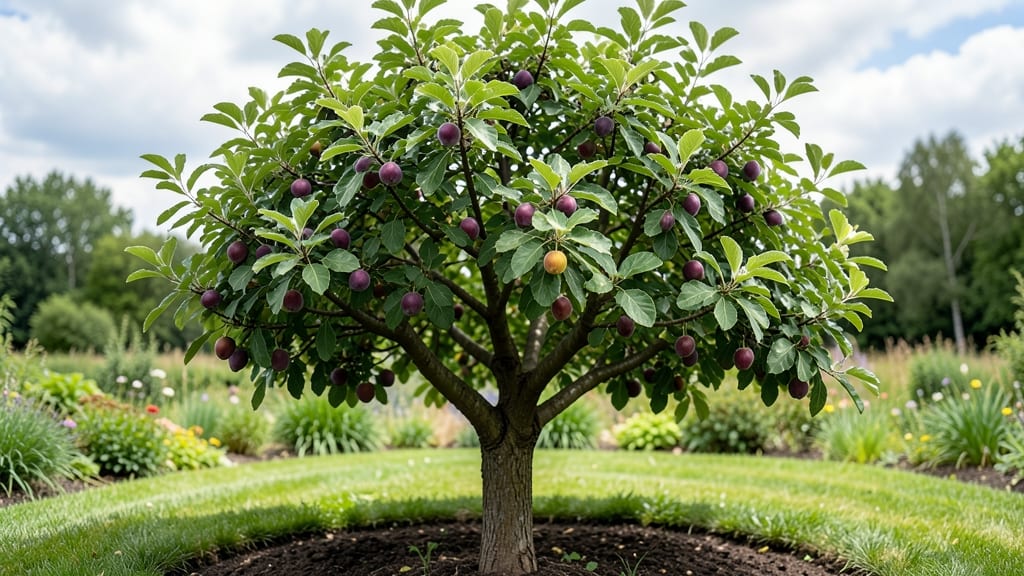
Plum trees grow to heights ranging from how tall does a plum tree grow—spanning 6 feet to towering 30 feet, depending on the variety and growing conditions—and yes, that includes dwarf types that fit in containers or small yards.
Wondering if your backyard can accommodate a plum tree? The height of these fruit-bearing beauties varies dramatically—from compact dwarf varieties perfect for containers to towering giants that need acres of space.
In this guide, I’ll break down the height ranges of popular plum varieties, how climate zones affect growth, and the pruning secrets to keep your tree at your ideal size.
Whether you’re planning a fruit orchard or just want a single tree for fresh plums, knowing these details will help you choose the perfect variety for your space.


Plum tree height ranges by variety: dwarf to standard sizes explained
Choosing a plum tree often comes down to one critical question: how tall does plum tree grow in your space? The answer varies wildly—from compact dwarf varieties that fit in containers to standard plum trees reaching heights of 20-30 feet.
Your yard's size, sunlight, and climate all play roles in determining which variety suits you best.
For small urban gardens or patios, dwarf plum trees (typically 6-10 feet tall) offer the perfect solution. These varieties—like 'Patio' or 'Miniature' plums—mature quickly but stay manageable. Meanwhile, standard varieties like 'Stanley' or 'Santa Rosa' can become towering giants, requiring careful planning for pruning and space.
Japanese plums often stay shorter (15-20 feet) compared to European plums, which can exceed 30 feet in ideal conditions. Even American plum varieties vary, with some reaching 15-25 feet. Let's break down the exact heights you can expect from popular types.
If you're wondering how tall does plum tree grow in your specific climate, consider 'Stanley'—a European plum that can reach 25 feet but thrives in USDA Zones 5-9.
For colder regions (Zones 3-5), 'Methley' stays around 15-20 feet while remaining hardy. Always check the mature height label when purchasing, as grafted varieties can produce different-sized trees.
For container-growing, opt for dwarf varieties like 'Patio' or 'Miniature' plums, which max out at 8-10 feet. These need large pots (20+ gallons) and regular pruning to maintain shape. Without proper root restriction, even dwarf trees can outgrow their containers in 3-5 years.
Pruning plays a huge role in managing height. Standard varieties like 'Santa Rosa' benefit from annual summer pruning to control spread, while dwarf trees need light shaping prunes every 2-3 years. Always prune in late winter before bud break for best results.
Soil quality also affects height—well-draining, slightly acidic soil (pH 6.0-6.5) encourages faster vertical growth. Amend heavy clay with compost or sand to prevent root rot, which can stunt a plum tree's potential height. In sandy soils, trees may grow taller but produce smaller fruit.
Light exposure is another key factor. Plum trees need full sun (6-8+ hours daily) to reach their maximum height. In partial shade, growth slows, and fruit production drops by 30-50%. If your yard has limited sun, choose dwarf varieties that tolerate 4-6 hours of sunlight.
Remember:
Climate zone impact on plum tree growth: how cold hardiness affects height
Your USDA hardiness zone plays a crucial role in determining how tall your plum tree will grow. Cold-hardy varieties in Zones 4-6 often stay shorter due to winter stress, while Zones 7-9 allow standard varieties to reach their full height potential.
Understanding these differences helps you choose the right variety for your climate and manage growth expectations through proper pruning techniques.
In colder climates (Zones 3-6), plum trees focus energy on survival rather than vertical growth. Dwarf varieties like 'Tokyo' or 'Shiro' typically max out at 8-12 feet, making them ideal for small yards or containers.
Meanwhile, Zones 7-9 support standard varieties like 'Santa Rosa' or 'Methley', which can soar to 20-30 feet without winter growth restrictions.
For Zones 4-6, prioritize cold-hardy dwarf varieties like 'Tokyo' or 'Shiro', which stay under 10 feet while producing abundant fruit. These trees benefit from late-winter pruning to remove damaged branches from winter freeze-thaw cycles.
Use a sharp pruning saw to clean cuts and apply wound dressing to prevent disease.
In Zones 7-9, standard varieties like 'Santa Rosa' grow aggressively, requiring structural pruning every 2-3 years to maintain shape and remove crossing branches. Prune during late winter before bud break to encourage vertical growth. Always sterilize tools with rubbing alcohol to prevent bacterial spread.
Regardless of zone, soil quality impacts height. Amend heavy clay with compost and sand to improve drainage, while adding organic matter boosts nutrient uptake for taller growth. Mulch with wood chips to retain moisture and regulate soil temperature, especially in Zone 4-6 where winter stress limits vertical expansion.
Pro tip: Dwarf varieties in Zones 4-6 can be trained as espalier against fences, saving space while maximizing fruit production. For Zones 7-9, consider pollination partners—plant two compatible varieties 20-30 feet apart to ensure fruit set in tall trees.