
Blooming
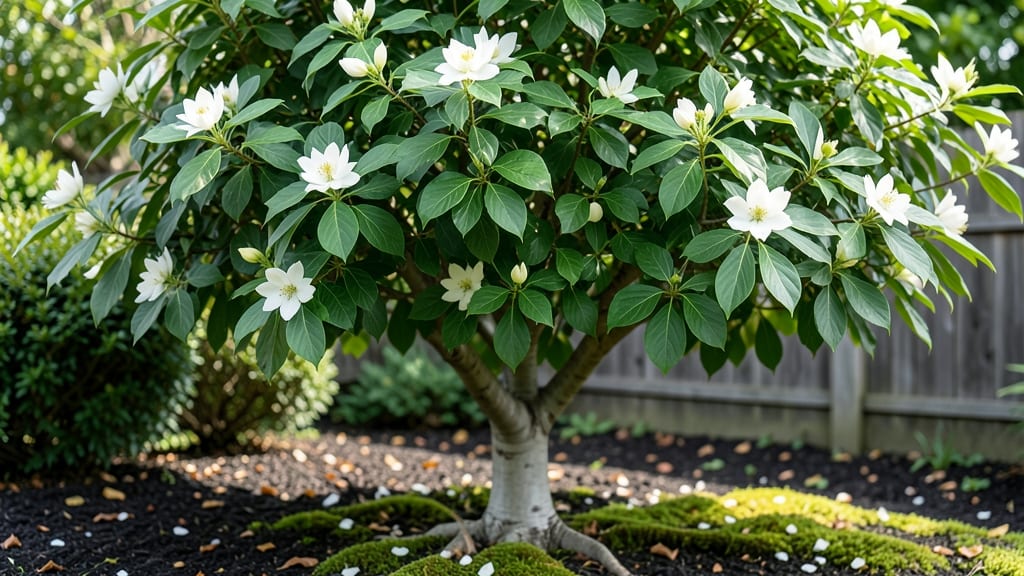
The dogwood tree blooming season is the moment your yard transforms into a springtime masterpiece with its iconic blossoms 🌳—but timing is everything if you want those flowers to appear when you expect.
Picture this: you’ve just planted your dogwood tree in USDA Zone 6a, and now you’re wondering when those showstopping blooms will finally make their debut. The answer depends on where you live, the variety you’ve chosen, and even the microclimate of your backyard.
In the South, dogwoods often burst into bloom as early as late February, while Northern gardeners might not see their first flowers until mid-April.
Some varieties, like the ‘Cherokee Brave’, stretch their show over four weeks, while others fade in just a couple of weeks—so knowing your zone and picking the right cultivar can mean the difference between a fleeting flash of color and a prolonged spring spectacle.
Below, I’ll break down the exact months to expect blooms in your area, how to predict your dogwood’s timing like a pro, and the simple care tricks that keep those flowers coming back year after year.
Dogwood tree blooming season by USDA hardiness Zones
Dogwood trees (Cornus florida) are famous for their stunning spring blooms, but their exact blooming season varies dramatically across USDA hardiness zones 3-9. Understanding these differences helps you choose the right variety and plan your landscape for maximum impact.
In Zone 6, for example, blooms typically appear in April-May, while Zone 9 may see flowers as early as February.
Regional microclimates also play a role—Pacific Northwest dogwoods often bloom later due to cooler springs, while Deep South varieties may push blooms into late winter. Even within a zone, elevation and proximity to large bodies of water can shift bloom timing by 2-4 weeks.
For instance, a Zone 7 dogwood in Atlanta might bloom in March, while one in Asheville (higher elevation) could wait until April.
Here’s how to use this guide: Match your USDA zone to the monthly bloom windows below, then select early, mid, or late-season varieties to extend your tree’s display. For example, pairing a Zone 5 ‘Cherokee Brave’ (early) with a Zone 5 ‘White Pixie’ (late) creates a 6-week bloom sequence.
In Zones 3-4, where winters are harsh, dogwoods often bloom later to avoid late spring frosts. The ‘Cherokee Princess’ variety is a top pick here, opening its white flowers in late May after the frost risk passes.
For Zone 5-6 gardeners, April is prime bloom time, with ‘Cherokee Brave’ offering deep pink flowers that attract pollinators early in the season.
If you live in Zones 7-8, you’re in luck—dogwoods here can bloom as early as March, with ‘White Pixie’ providing a compact, dwarf option perfect for small yards.
These zones also support reblooming in fall, though it’s less reliable. For Zone 9 gardeners, February blooms are possible, but heat stress can shorten the display, so prioritize afternoon shade.
To extend your dogwood’s bloom season, choose multiple varieties with staggered timing. For example, in Zone 6, plant ‘Cherokee Brave’ (April) alongside ‘Rubra’ (May) for a 6-week floral show. Another pro tip: Prune after blooming to avoid cutting off next year’s flower buds, which form in late summer.
Watch for bud development starting in late winter. Healthy buds are plump and greenish-brown—shriveled or blackened buds signal disease or winter burn. In Zone 9, where blooms arrive early, protect young trees with lightweight frost cloth if unseasonable cold is forecasted.
Soil moisture also affects bloom timing. Dogwoods need consistent moisture but hate soggy roots. In Zones 3-5, where springs can be dry, mulch heavily to retain soil moisture and cool roots. Conversely, Zone 9 gardeners should water deeply but infrequently to prevent fungal issues.
For Pacific Northwest gardeners, cooler springs mean later blooms—often 2-3 weeks behind Midwest counterparts. If you’re in Seattle (Zone 8), expect ‘Cloud 9’ to bloom in late April rather than March.
In the Deep South, humidity can stress dogwoods, so improve air circulation around the tree and avoid overhead watering.
Remember, dogwoods bloom on old wood, meaning last year’s growth produces this year’s flowers. Never prune in late winter—wait until June after blooming to avoid removing next year’s buds. With the right variety
Best dogwood varieties for extended blooming seasons
If you dream of a garden bursting with color from early spring to late summer, selecting the right dogwood varieties is key. While most dogwoods bloom for just 1-2 weeks, these top 5 extended-bloom cultivars stretch your seasonal display to 3-4 weeks or longer.
The secret? Choosing varieties with staggered bloom times or repeat-flowering habits.
For example, the 'Cherokee Brave' variety thrives in USDA Zones 5-8 and delivers pink bracts that last up to 28 days, while 'White Pixie' (Zones 5-9) offers white blooms that reappear in fall.
Planting a mix creates a sequential color show—early bloomers like 'Stella de Oro' kick off the season, followed by mid-season stars like 'Rubra', and late bloomers like 'Golden Age' extend the party.
To maximize bloom duration, prioritize well-draining soil and partial shade (4-6 hours of morning sun). Avoid heavy clay or waterlogged spots, which stress roots and shorten bloom time.
For example, 'Golden Age' thrives in Zones 5-8 but may bloom 10 days later in Zone 5 compared to Zone 8 due to cooler springs.
Pro tip: Pair early bloomers like 'Cherokee Brave' (March-April) with late bloomers like 'White Pixie' (May-June) for a non-stop spring spectacle. In Zones 6-8, you can even add 'Cloud 9' (white flowers) for a 3-week overlap in bloom times.
Just be sure to space them 10-15 feet apart to prevent root competition.
For urban gardens with limited space, dwarf varieties like 'Stella de Oro' (6-8 feet tall) deliver prolonged blooms without overwhelming your landscape. Its yellow bracts also attract pollinators like bees and butterflies, adding another layer of seasonal interest.
Plant it near a south-facing window to catch reflected light and boost flower production.
Remember, pruning timing affects bloom duration too. Prune after flowering (late June) to avoid cutting off next year’s buds. For example, if you prune 'Rubra' in May, you might reduce its 18-day bloom by half. Always use sterilized tools to prevent disease spread, which can shorten bloom cycles.
With the right mix of varieties and care, your dogwoods can turn your yard into a springtime paradise—one that keeps guests lingering long after the last petal falls. Start small with 2-3 varieties, then expand your collection as you master the art of sequential blooming! 🌷