
Pruning
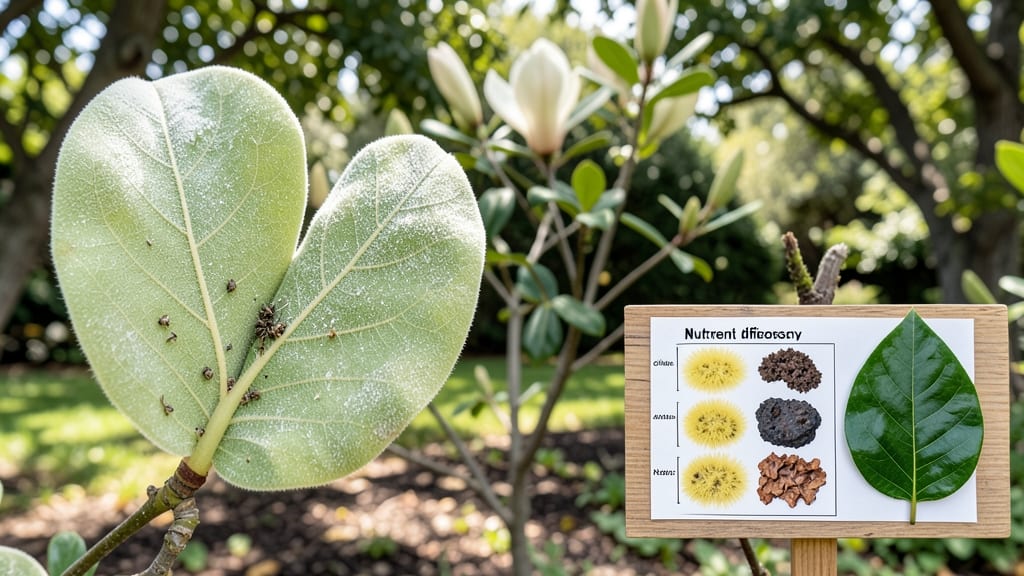
Magnolia tree leaf problems with yellowing, curled, or spotted leaves can look like they're throwing in the towel—but they're just sending an SOS. 🌿 After years of rescuing stressed magnolias, I've learned the real culprits are rarely what people guess, and fixing them often comes down to two simple checks: soil moisture and pest pressure.
The most common triggers are overwatering (which chokes roots), nutrient deficiencies (especially iron or nitrogen), or fungal infections from wet foliage. My Southern magnolia's leaves went from glossy green to sad yellow patches overnight after a week of heavy rain—turns out, it needed better airflow and a fungicide spray.
The good news? Most issues reverse with the right approach.
You'll identify the exact problem by examining leaf edges (brown = fungal), undersides (pests = webs), and new growth (yellow = nutrient issue). Once you know what's wrong, solutions range from pruning for airflow to targeted fertilizers or neem oil sprays.
The key is acting before the problem spreads to branches.
Prevention is easier than cleanup: mulch properly, water at the base (not overhead), and inspect leaves monthly for early signs. My trees now stay healthy year-round with just these three habits—and I've saved dozens of others from the same mistakes. Let's get those leaves back to their best.
Root Causes Behind Leaf Issues
Magnolia trees are stunning with their glossy foliage and fragrant blooms, but when leaves start yellowing, curling, or developing spots, it’s often a sign of deeper stress. Understanding why these problems occur is the first step to solving them.
Below, we break down the most common culprits—environmental, biological, and cultural—and explain the science behind the damage.
Magnolias thrive in specific conditions, and when those needs aren’t met, leaves react visibly. Here’s what’s likely triggering the trouble:
🌡️ Extreme Temperatures
Magnolias are sensitive to heatwaves, frost, or sudden temperature swings. When exposed to: - Cold damage: Temperatures below 20°F (-6°C) can cause brown, crispy leaf edges or blackened spots (a condition called winter burn).
The cells rupture due to ice crystal formation, disrupting nutrient flow. - Heat stress: Prolonged 90°F+ (32°C+) temperatures lead to yellowing (chlorosis) as chlorophyll breaks down. High heat also dries out leaf tissues, causing curling or scorch marks along the edges.
Pro Tip: 🌡️ Mulch heavily in winter (3–4 inches of organic mulch) to insulate roots. In summer, provide afternoon shade for young or tropical magnolias.
☀️ Sunburn or Light Exposure Issues
- Too much sun: Young magnolias (especially Magnolia grandiflora) can suffer sun scald—bleached, papery patches on leaves exposed to harsh afternoon rays.
This happens when leaves aren’t acclimated to full sun. - Too little light: Pale, sparse leaves or stunted growth occur when magnolias get <6 hours of sunlight/day. Chlorophyll production drops, leading to weak, yellowing foliage.
Fix It: Gradually introduce sun exposure over 2–3 weeks if moving a magnolia to a sunnier spot. For shade-loving varieties (like Magnolia stellata), ensure dappled light to prevent stress.
Magnolias are particular about soil moisture and pH—get it wrong, and leaves scream for help.
💧 Overwatering or Poor Drainage
- Root rot (from soggy soil) is the #1 killer of magnolias. Yellowing leaves + mushy stems = a red flag.
Poor drainage starves roots of oxygen, causing anaerobic bacteria (Pythium or Phytophthora) to feast on roots. - Overhead watering splashes pathogens onto leaves, leading to fungal spots (like anthracnose).
Solution: 🚰 Test soil drainage—dig a hole, fill it with water, and time how long it drains. If it takes >4 hours, amend with sand or perlite. Water deeply but infrequently (1–2 inches/week, more in summer).
🌱 Soil pH Imbalances
Magnolias prefer slightly acidic soil (pH 5.0–6.5). Outside this range: - Alkaline soil (pH >7.0): Iron chlorosis (yellow leaves with green veins) occurs because iron becomes locked in the soil, unavailable for uptake.
Common in calcareous or clay soils. - Too acidic (pH <4.5): Aluminum toxicity can scorch roots, causing brown leaf tips or stunted growth.
Test & Fix: Use a soil test kit ($10–$20). To lower pH, add sulfur or peat moss. To raise pH, mix in lime (calcium carbonate).
When leaves develop spots, holes, or unusual patterns, pests or pathogens are often the culprits.
🐜 Common Pests
| Pest | Leaf Damage | Why It Happens |
|---|---|---|
| Magnolia Scale | Sticky residue (honeydew), black sooty mold | These sap-sucking insects pierce leaves, injecting toxins that cause yellowing and curling. |
| Japanese Beetles | Irregular holes, skeletonized leaves | Adults chew leaf tissue, while larvae (grubs) damage roots. |
| Spider Mites | Tiny yellow dots, webbing | Drought-stressed trees attract mites, which pierce cells, causing stippling. |
Combat Them: 🔥 Blast off pests with a strong hose (disrupts scale). Use neem oil or insecticidal soap for mites/beetles. Release beneficial insects (ladybugs, lacewings) for long-term control.
🍄 Fungal and Bacterial Infections
- Anthracnose: Dark spots with yellow halos (caused by Colletotrichum fungus). Thrives in wet, humid conditions, blocking stomata (leaf pores) and disrupting gas exchange.
- Bacterial Leaf Spot: Water-soaked brown spots that ooze when wet.
Spreads via rain splashes or contaminated pruning tools. - Powdery Mildew: White, powdery coating on leaves. Fungi like Erysiphe smother stomata, reducing photosynthesis.
Prevent Spread: ⏰ Remove infected leaves immediately (don’t compost!). Space trees for airflow and avoid overhead watering. Apply copper fungicide at first signs.
Even the richest soil can lack key nutrients, leading to tell-tale leaf symptoms.
| Deficiency | Leaf Symptoms | Quick Fix |
|---|---|---|
| Nitrogen (N) | Pale yellow leaves (uniform) | Apply balanced fertilizer (10-10-10) or compost. |
| Iron (Fe) | Yellow between veins (chlorosis) | Use chelated iron or sulfur to lower pH. |
| Magnesium (Mg) | Yellow patches along veins | Sprinkle Epsom salt (1 tbsp/gal water) every 2 weeks. |
| Potassium (K) | Brown leaf edges (scorch) | Add wood ash or potassium sulfate. |
Pro Tip: 🌱 Mulch with compost annually to slowly release nutrients. Avoid over-fertilizing—magnolias prefer moderate feeding over heavy doses.
Key Takeaway: Most magnolia leaf problems stem from one (or more) of these root issues: environmental stress, poor soil conditions, pests, or nutrient gaps. Diagnose the symptoms (color, pattern, season) to pinpoint the exact cause—and then act fast!
The sooner you address the issue, the quicker your magnolia will bounce back to its lush, healthy glory.
Quick Fixes for Magnolia Leaf Issues
Magnolia trees are stunning, but when their leaves start yellowing, curling, or developing unsightly spots, it’s time to take action. The good news? Most leaf problems have simple, effective solutions—whether it’s adjusting care, treating pests, or improving growing conditions.
Below, we’ll break down the fixes by cause, so you can get your magnolia back to its lush, healthy self in no time.
Yellowing leaves are often a sign of overwatering, nutrient deficiencies, or poor drainage. Here’s how to turn things around:
🔥 Check the Watering Routine Overwatering is the #1 culprit for yellow leaves.
Magnolias prefer well-draining soil and moderate moisture—never soggy roots! - 👨🍳 Reduce watering frequency: Let the top 2–3 inches of soil dry out between waterings. - 🥘 Improve drainage: Amend heavy clay soil with compost or sand to prevent waterlogging. - ⏰ Water deeply but less often: A slow, deep soak (1–2 inches per week) encourages strong root growth.
💡 Boost Nutrients with the Right Fertilizer
Yellowing can also mean your magnolia is hungry. Use a balanced, slow-release fertilizer (like 10-10-10) in early spring before new growth starts. - 📊 Test soil pH: Magnolias thrive in slightly acidic soil (pH 5.0–6.5).
If your soil is too alkaline, add sulfur or peat moss. - 🥗 Avoid over-fertilizing: Too much nitrogen causes yellow leaves and weak growth. Follow package instructions!
🌡️ Rule Out Fungal Issues
If yellowing is paired with brown spots or leaf drop, fungal leaf spot (like anthracnose) might be the issue.
- ✨ Prune infected leaves: Remove and dispose of (don’t compost) yellowed or spotted leaves to prevent spread.
- 🎯 Apply fungicide: Use a copper-based or neem oil spray every 2–3 weeks until new growth appears.
Curling leaves usually mean pests, environmental stress, or viral infections. Here’s how to tackle it:
🔪 Combat Pests with Natural & Chemical Solutions
Common culprits: magnolia scale, spider mites, or aphids.
- 🕷️ For scale & mites:
- 🍳 Spray with horticultural oil (like neem oil) in early spring before pests hatch.
- 👨🍳 Scrape off scale insects with a stiff brush (wear gloves!).
- 🥘 Introduce beneficial insects: Ladybugs and lacewings eat aphids naturally.
- 💡 Severe infestations? Use systemic insecticide (like imidacloprid) as a last resort.
🌡️ Adjust for Environmental Stress
Curling can also happen from too much sun, wind, or drought.
- 🌞 Provide afternoon shade if leaves are scorched (common in hot climates).
- 💧 Mulch heavily (3–4 inches) to retain moisture and regulate soil temperature.
- 🌬️ Protect from harsh winds: Plant near a windbreak or stake young trees for support.
Spots (black, brown, or purple) are often fungal or bacterial, but sometimes they’re nutritional or pest-related.
🔥 Fungal Spot Treatment
- 🧼 Clean up debris: Remove fallen leaves and prune any infected branches (sterilize pruners with rubbing alcohol).
- 🍳 Apply fungicide: Use copper fungicide or baking soda spray (1 tbsp baking soda + 1 quart water + a drop of dish soap).
- 🌡️ Improve air circulation: Thin out dense branches to reduce humidity around leaves.
💡 Prevent Future Spots with Proactive Care
- ✨ Water at the base (avoid wetting leaves to prevent fungal growth).
- 🎯 Space trees properly (30+ feet apart for mature magnolias) to reduce crowding.
- 🍎 Avoid overhead irrigation—use drip systems instead.
Once you’ve fixed the problem, keep your magnolia thriving with these long-term strategies:
- 🌿 Prune in late winter/early spring (never in fall—it encourages new growth that can’t harden off).
- 🍂 Mulch annually with wood chips or pine straw to protect roots and retain moisture.
- 📅 Monitor regularly: Check leaves weekly for early signs of pests or disease.
- 🌡️ Avoid transplant shock: If moving a magnolia, water deeply for 2 weeks before and after to reduce stress.
With the right care, your magnolia’s leaves will bounce back to their glossy, vibrant green in no time! 🌿✨ Whether it’s tweaking water habits, battling pests, or boosting nutrients, these fixes will have your tree looking its best for years to come.
Frequently asked questions about magnolia tree leaf problems
Why do my magnolia leaves turn yellow in patches?
Patchy yellowing often signals nutrient deficiencies (like iron or nitrogen) or fungal infections. Check for yellowing between veins (iron chlorosis) or uniform paleness (nitrogen deficiency). Test soil pH—magnolias prefer 5.0–6.5. If spots accompany yellowing, it’s likely anthracnose fungus from wet foliage.
Can I save my magnolia if half the leaves are curling?
Yes! Curling usually means pests (scale/mites) or environmental stress. Start by spraying leaves with neem oil (for pests) or providing afternoon shade (for sunburn). Mulch heavily to retain moisture, and avoid overhead watering. Most magnolias recover within 4–6 weeks with consistent care.
What’s the difference between brown spots from pests vs. disease?
Pest spots (like Japanese beetles) are irregular holes or chewed edges, while disease spots (like anthracnose) appear as dark circles with yellow halos. Check leaf undersides for webs (mites) or sticky residue (scale). Fungal spots often spread faster and may ooze when wet.
How often should I fertilize a magnolia with leaf problems?
Fertilize once in early spring (before new growth) with a balanced 10-10-10 formula. Avoid fall fertilization—it encourages tender growth vulnerable to winter damage. If leaves show deficiencies, use targeted amendments (e.g., chelated iron for chlorosis) instead of heavy doses.
Will pruning help my magnolia’s leaf problems?
Pruning helps improve airflow (reducing fungal spread) and removes infected/damaged leaves. Cut back 1/3 of affected branches in late winter, sterilizing tools with rubbing alcohol. Never prune in fall—it stresses the tree. Focus on thinning dense areas to prevent future issues.