
Lawn
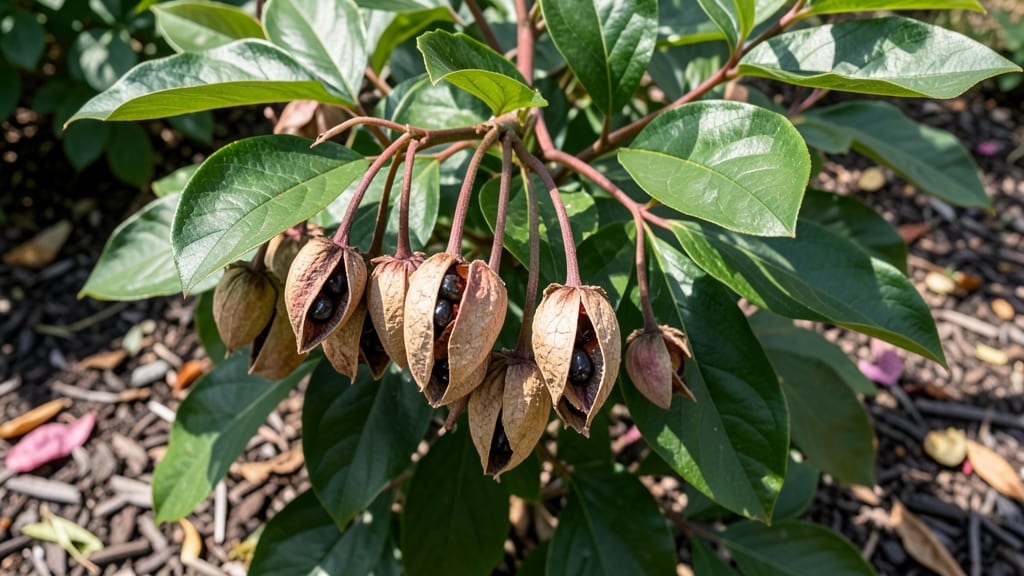
Tree peony seed pods hold the promise of next year's blooms—if you know how to handle them right. 🌱 Unlike common herbaceous peonies, tree peonies (Paeonia suffruticosa) grow from seed, but their germination is a delicate dance with cold, patience, and just the right timing.
I've cracked the code after years of trial and error, and now you can skip the guesswork. The key lies in cold stratification: mimicking winter's chill to break seed dormancy.
You'll need mature seed pods (harvested when they turn brown and papery), a moist growing mix, and a refrigerator for 6-8 weeks of cold treatment. Most gardeners fail here by either skipping stratification or rushing the process—both lead to flopped germination.
What you end up with are sturdy seedlings that take 2-3 years to bloom, but the payoff is worth it: fragrant, long-lasting flowers in shades your nursery never carries. The trick is consistency—keep moisture even, avoid overcrowding, and don't give up when nothing sprouts in the first month.
Works for gardeners in zones 4-8 with proper winter protection. Here's how to do it without losing your patience (or your seeds).
📚 In This Guide
- What you need
- Instructions
- Tips and common mistakes
- Wrapping up and next steps
What you need
- ● Fresh tree peony seed pods: 5–10 mature, dried pods (harvested in late fall or early winter). Pro tip: 💡 Choose plump, brown pods—avoid shriveled or moldy ones!
- ○ Sterilized potting mix: 2–3 quarts of well-draining, seed-starting blend (e.g., 50% peat moss, 50% perlite or coarse sand). Optional: Add a handful of worm castings for extra nutrients.
- ● Small seed trays or pots: 2–4 shallow containers (3–4 inches deep) with drainage holes. Alternative: Use a seed-starting mat for humidity control.
- ● Plastic wrap or humidity dome: Enough to cover trays loosely (retain moisture without drowning seeds).
- ● Spray bottle: For gentle watering (avoid soaking the mix).
- ● Refrigerator or cold frame: A standard fridge (34–40°F) or outdoor cold frame (if temps stay below 40°F). Note: Avoid freezer temps—seeds need moist cold, not frozen!
- ○ Plastic bag or airtight container: Large enough to hold moistened pods + mix (e.g., a ziplock or seedling bag). Optional: Add a damp paper towel for extra humidity.
- ● Labeling supplies: Masking tape + marker (to track planting dates).
- ● Grow lights (for post-stratification seedlings if natural light is weak).
- ● Fungicide (e.g., hydrogen peroxide spray) to prevent mold during stratification.
- ● Heat mat (for faster germination after cold treatment).
- ● Journal or app (to log stratification progress—trust us, it’s satisfying! 📊).
Step-by-Step instructions for cold-stratifying tree peony seed pods
Here's how to break dormancy and coax those stubborn peony seeds into life—without the guesswork.
🌱 Step 1: Harvest and Prepare the Seed Pods
Collect seed pods when they turn brown and papery in late fall, usually after the first frost. Cut them from the plant with 2-3 inches of stem attached—this helps roots form later. Lay them on a tray in a cool, dry place (around 40-50°F) for 2-3 weeks to dry completely. You'll know they're ready when the pods split open easily with gentle pressure.
Once dry, crack open the pods to reveal the flat, dark seeds inside. Remove any empty or shriveled seeds—only the plump, firm ones will germinate. I like to soak them in lukewarm water for 24 hours before stratification to soften the tough outer coating. This step isn't mandatory, but it speeds up germination by 1-2 weeks—real talk: patience is key, but why wait longer than necessary?
❄️ Step 2: Stratify Seeds in Moist Sand or Perlite
Mix equal parts moist sand and perlite (or use a 50/50 peat moss/perlite blend) in a sealed container. The medium should feel damp like a wrung-out sponge—not soggy, not dry. Plant the seeds ½ inch deep, spacing them 1 inch apart to prevent crowding. Label the container with the date and variety (if known), because peony seeds take 6-12 months to germinate.
Place the container in a refrigerator (not the freezer) where temperatures stay 35-45°F. Check monthly to ensure the medium hasn't dried out—mist lightly if the surface feels dry to the touch. This cold period mimics winter conditions and breaks dormancy. I've had seeds sprout after 3 months and others take nearly a year—consistency is more important than timing.
☀️ Step 3: Transition to Warmth and Light
After 3-4 months of stratification, transfer the container to a bright, indirect light spot indoors (like a north-facing window). Keep the medium evenly moist but avoid waterlogging—peony roots rot quickly in soggy conditions. You'll notice tiny green shoots in 4-8 weeks, though some seeds may take longer. Once sprouts reach 1 inch tall, carefully transplant them into 4-inch pots with well-draining potting mix.
Place the pots under grow lights (12-14 hours daily) to prevent leggy growth. The seedlings are extremely sensitive to transplant shock, so handle them by the leaves, not the stems. Keep the soil consistently moist but not wet—peony seedlings wilt fast if stressed. This is the moment that matters: proper light and moisture now determine whether they'll survive their first winter outdoors.
🪴 Step 4: Acclimate and Plant Outdoors
Once seedlings develop 3-4 true leaves (usually in late spring), harden them off by placing them outside in partial shade for 1-2 hours daily, gradually increasing exposure over 2 weeks. Watch for yellowing leaves—this signals too much sun or wind. After hardening, plant them in full sun (6+ hours daily) in well-draining soil with organic matter worked in. Space them 3 feet apart to allow room for mature growth.
Mulch heavily with 2-3 inches of organic mulch (like shredded bark) to protect roots during winter. Peony seedlings are slow growers—don't expect blooms for 3-5 years, but the wait is worth it. I've seen first flowers appear in 2 years with ideal conditions, but most take longer. The key is patience and consistency—these plants reward long-term care with decades of blooms.
Tips & tricks for perfect tree peony seed germination
These little-known details make all the difference when breaking dormancy for tree peony seeds.
Timing Secret for Pod Drying: In Step 1, the 2-3 weeks of drying at 40-50°F is crucial—this mimics natural winter conditions. If your kitchen stays warmer than 50°F, move the tray to a basement or garage. I've seen pods dry too quickly in warm rooms, making them brittle and difficult to open. The pods should feel light and papery when ready, not stiff or leathery.
Stratification Medium Tip: For Step 2, don't skip the perlite or peat moss blend—sand alone can compact too much and suffocate seeds. I've had success using a mix of 50% sand, 30% perlite, and 20% coconut coir for better aeration. The medium should hold moisture like a wrung-out sponge; if it drips water, it's too wet. This balance prevents both mold and drying out during the critical 3-4 months in the fridge.
Light Transition Strategy: When moving seeds to warmth in Step 3, place the container under a sheer curtain for the first week. This gradual light exposure prevents shock to seedlings that have only experienced refrigerator darkness. I've seen seedlings emerge but immediately wilt when exposed to direct sunlight too soon. After that first week, you can move to brighter indirect light as specified.
Seedling Care Watch: In Step 3, those first green shoots are fragile—don't be tempted to water heavily. Use a spray bottle to mist the surface lightly when the top inch feels dry. Overwatering at this stage causes root rot, and peony seedlings are particularly susceptible. The consistent moisture should be like a damp sponge, not a soggy one.
Pro Tips for Tree Peony Seed Pods
- These little-known details make all the difference when breaking dormancy for tree peony seeds.
- Timing Secret for Pod Drying: In Step 1, the 2-3 weeks of drying at 40-50°F is crucial—this mimics natural winter conditions.
- Stratification Medium Tip: For Step 2, don't skip the perlite or peat moss blend—sand alone can compact too much and suffocate seeds.
Frequently asked questions
about tree peony seed pods—because growing these beauties from seed can feel like solving a puzzle! Here are answers to the most common queries to help you navigate the process with confidence.When do tree peony seed pods ripen, and how do I know they’re ready for harvest?
Tree peony seed pods typically ripen in late summer to early fall (August–October, depending on your climate). They’re ready when the pods turn dry, papery, and brown, and they easily split open when gently squeezed. Avoid harvesting if pods are still green or moist—this ensures the best germination success!
How long does cold stratification take for tree peony seeds, and can I skip it?
Cold stratification is essential for tree peony seeds—it mimics winter conditions and breaks dormancy. Most seeds need 60–90 days in the fridge (33–41°F) in a moist medium (like damp sand or peat moss). Skipping this step will likely result in little to no germination. Patience pays off for those stunning blooms!
What’s the best way to store seed pods before planting?
Store harvested pods in a cool, dry place (like a paper bag in the fridge) until you’re ready to extract the seeds. Keep them away from heat or humidity, which can cause mold. Once seeds are out, plant them immediately or refrigerate them in a sealed container with damp paper towels for stratification.
Can I grow tree peony seeds indoors, or do they need outdoor conditions?
While you can start seeds indoors (after stratification), tree peonies thrive best when transplanted outdoors after the last frost. Use small pots with well-draining soil and place them in a sunny window or under grow lights until they’re ready to harden off. Outdoor planting gives them the space and conditions to establish strong roots!
Why aren’t my tree peony seeds germinating? Troubleshooting tips?
If seeds aren’t sprouting, check these common issues:
- Insufficient stratification: Extend cold treatment to 3–4 months.
- Poor moisture: Keep the medium consistently damp (not soggy) during stratification.
- Old seeds: Tree peony seeds lose viability quickly—use fresh pods.
- Temperature fluctuations: Avoid placing seeds near heat sources or drafts.
If all else fails, consider layering (a propagation method using stems) as an alternative!
Wrapping up and next steps
Unlocking the secrets of tree peony seed pods through cold-stratification isn’t just rewarding—it’s a thrilling way to cultivate stunning blooms for seasons to come! 🌱 With patience, the right materials, and a dash of curiosity, you’ve got everything you need to turn tiny seeds into vibrant peonies.
Now’s your chance to grow your own legacy—literally!
Ready to take the next step? Start by gathering your seeds this fall, then dive into the cold-stratification process. Before you know it, you’ll be nurturing seedlings that’ll thrive and flourish into next year’s showstopper blooms. Happy gardening! 🌸