
Pruning
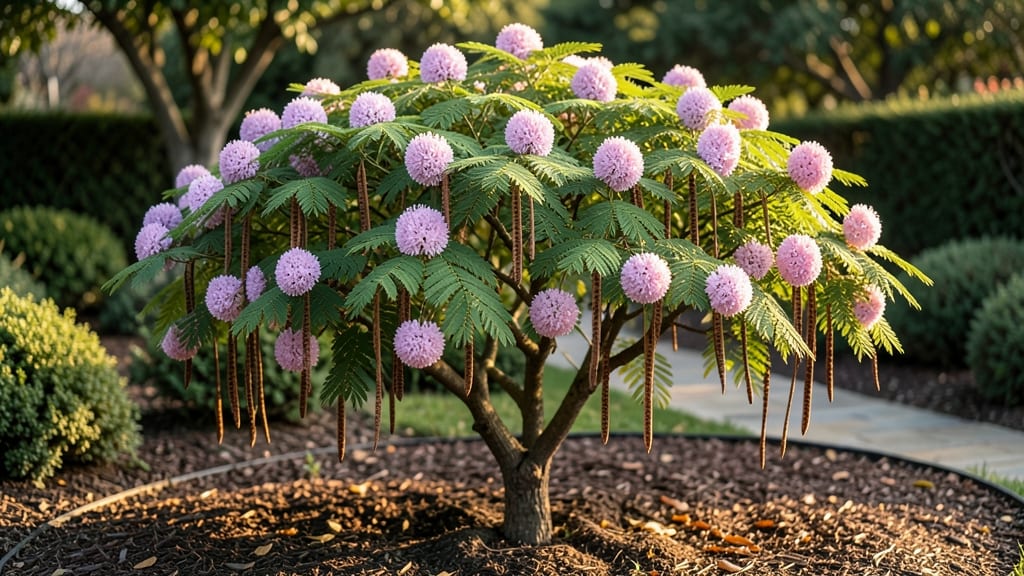
Persian silk tree uses span from fast-growing shade solutions to soil enrichment and wildlife support. This versatile tree thrives in warm climates, offering drought-resistant foliage perfect for erosion control while doubling as an ornamental centerpiece.
The Persian silk tree (Albizia julibrissin) earns its place in landscapes through its rapid growth—adding 3-5 feet annually—while its feathery foliage provides lush shade that cools outdoor spaces efficiently. 🌿 Beyond aesthetics, its nitrogen-fixing roots transform poor soil into fertile ground, making it a natural soil conditioner that reduces the need for synthetic fertilizers.
The tree’s delicate pink blooms in summer create a pollinator paradise, drawing bees and butterflies that boost local biodiversity.
For erosion-prone areas, the tree’s deep root system stabilizes slopes while its drought tolerance makes it ideal for water-conscious gardens. In urban settings, it serves as a privacy screen or windbreak, adapting to various soil types once established.
Pruning young trees encourages a fuller shape, while mature specimens require minimal maintenance—just occasional trimming to remove dead branches.
What sets this tree apart is its dual role as both functional and decorative. Whether you're restoring degraded land, designing a pollinator-friendly garden, or seeking fast shade, the Persian silk tree delivers multiple benefits with minimal effort.
Its adaptability to urban and rural environments makes it a smart choice for sustainable landscaping.
💡 In This Article
- How Persian Silk Trees Enhance Ecosystems
- Best Landscaping Applications for Persian Silk Trees
How Persian silk trees enhance ecosystems
The Persian silk tree's ecological superpower lies in its nitrogen-fixing roots, which form symbiotic relationships with bacteria called rhizobia. These microscopic partners convert atmospheric nitrogen (N₂) into ammonia (NH₃), a plant-available nutrient that enriches the soil.
A single mature tree can add 50-100 pounds of nitrogen annually to the soil—equivalent to 1-2 pounds of synthetic fertilizer per year. This natural soil amendment improves water retention and supports microbial diversity, creating healthier ecosystems for surrounding plants.
Its summer blooms produce fragrant, nectar-rich flowers that serve as a buffet for pollinators. Each cluster contains 100-200 individual florets, producing copious nectar that attracts bees, butterflies, and hummingbirds. The tree's fuzzy seed pods (hence "silk") provide additional food for birds like goldfinches and sparrows.
However, its invasive tendencies in some regions mean it should be planted with caution—especially in areas with native silk trees (like Albizia lebbeck) that could face competition.
The tree's drought-resistant foliage helps combat soil erosion by stabilizing slopes with its extensive root system. Studies show its roots can extend 30-50 feet deep and spread 15-20 feet wide, creating a natural anchor for loose soil.
In urban areas, this makes it ideal for stormwater runoff control, as its roots absorb excess water while preventing sediment loss. The feathery leaves also reduce heat island effects by providing up to 70% shade coverage when mature.
Here's why it excels in pollinator support compared to other shade trees:
- Flower density: Produces 2-3 times more blooms per branch than similar trees like mimosa
- Nectar availability: Flowers remain open 3-5 days, providing continuous food sources
- Pollinator diversity: Attracts 12+ bee species and 5 butterfly species in a single season
The tree's ecological benefits extend to soil microbes too. Its leaf litter decomposes quickly, adding organic matter that boosts beneficial fungi and bacteria. This creates a self-sustaining cycle where the tree improves its own growing conditions over time.
For gardeners, this means less need for amendments once established—just regular mulching to maintain moisture.
One ecological consideration is its potential to outcompete native species in some regions. While it thrives in USDA zones 6-10, planting should be monitored in areas where it might escape cultivation. The key is strategic placement—using it as a focal point rather than allowing it to spread uncontrollably.