
How To
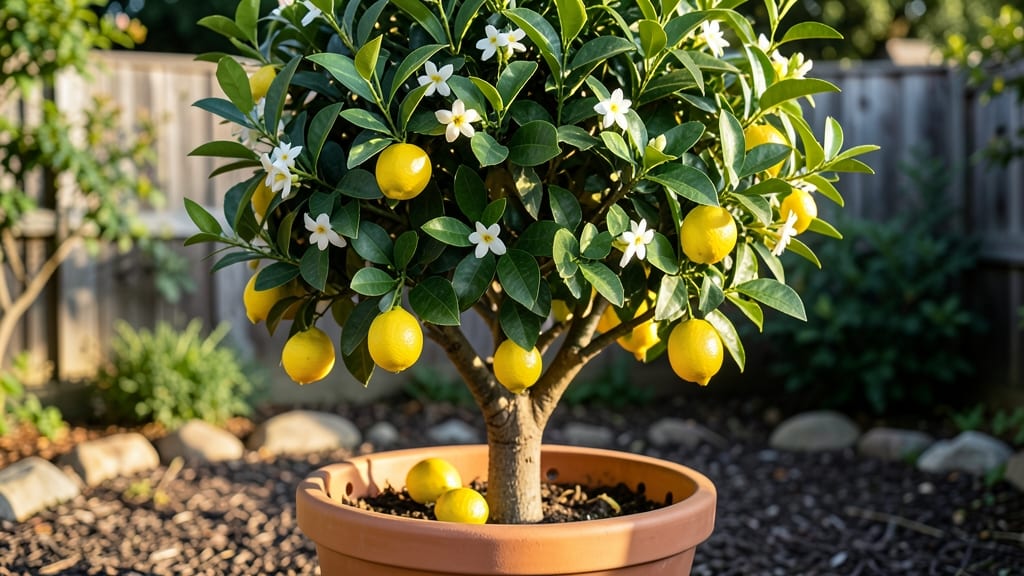
A dwarf lemon tree grows how tall does a dwarf lemon tree grow between 6 and 8 feet at maturity, making it the perfect citrus option for small gardens, patios, or even large containers 🍋.
If you're dreaming of fresh lemons but lack the space for a full-sized tree, dwarf varieties could be your perfect solution—yet their growth habits vary dramatically.
Understanding their mature heights helps you choose the right variety for containers, patios, or small gardens, where even a 6-foot tree can feel like a statement piece.
Below, I break down the height ranges of popular dwarf varieties, how to maximize their growth potential, and the key factors that keep them from reaching their full size.


Dwarf lemon tree height guide: variety-specific mature heights compared
Choosing a dwarf lemon tree is a game-changer for small gardens or patios, but not all varieties stay equally compact. The Meyer lemon, for example, typically reaches 6-10 feet at maturity, while the Eureka Dwarf maxes out around 8 feet.
These differences matter when planning your space—especially if you're growing in containers where root competition is real.
Your tree's final height depends on the variety, pruning habits, and growing conditions. Improved Meyer varieties often grow slightly taller than standard Meyers, while Ponderosa Dwarf lemons stay under 6 feet with proper care.
Understanding these ranges helps you pick the perfect fit for your balcony, courtyard, or even a large pot.
Here’s the key: sunlight exposure directly impacts growth rates. A dwarf lemon in full sun may grow 1-2 feet per year in ideal conditions, while partial shade slows growth by 30-50%. That means your 8-foot Eureka Dwarf could take 4-5 years to mature instead of 3.
Spacing is another critical factor. Meyer lemons need at least 6 feet of clearance for airflow, while Ponderosa Dwarfs thrive with just 4-5 feet. Crowding stunts growth and increases disease risk, so plan accordingly if you're planting multiple trees.
🌱
If you're growing your dwarf lemon in a container, size matters. A 15-20 gallon pot works for most varieties, but Improved Meyers may outgrow smaller containers within 2-3 years. Root-bound trees grow slower and produce fewer lemons, so upgrade pots every 2-3 years if your tree is thriving.
Pruning plays a huge role in managing height. Regular pruning in late winter keeps your tree at 50-70% of its natural height, while minimal pruning lets it reach its full potential.
For example, a Meyer lemon left unpruned could hit 12 feet, but pruned aggressively, it stays under 6 feet.
For optimal sunlight exposure, place your dwarf lemon where it gets 6-8 hours of direct sun daily. South-facing windows or patio spots with afternoon sun work best. In hot climates, afternoon shade prevents leaf scorch, but morning sun is non-negotiable for fruit production.
🪴
Remember, soil quality affects growth too. Well-draining, sandy loam soil with a pH of 6.0-7.0 ensures your tree grows steadily. Amend heavy clay soil with compost or perlite to prevent root rot, which can stunt growth dramatically.
Now that you know the height ranges, you can confidently choose the perfect dwarf lemon for your space—whether it’s a 4-foot Ponderosa for your balcony or an 8-foot Eureka Dwarf for your garden corner. Happy growing!
How to maximize growth potential without overcrowding your space
Your dwarf lemon tree can reach its full height potential of 6–8 feet while staying compact enough for patios or containers—if you use the right strategies. The key lies in balancing pruning techniques, container selection, and nutrient management to avoid stunted growth or overcrowded roots.
Start with proper container size—a 15–20 gallon pot gives roots room to spread without becoming root-bound, which slows growth. Deeper pots (at least 18 inches deep) support stronger root development, helping your tree reach its mature height faster.
🌱 Pruning is your best friend for controlling height and encouraging bushier growth. In early spring, remove overlapping branches and suckers at the base to redirect energy upward. For height control, trim new growth by 20–30% after harvest—this prevents legginess while keeping the tree manageable.
A Meyer lemon tree (most common dwarf variety) typically grows 6–8 feet tall but can be pruned to 4–5 feet for easier harvesting. Use sharp pruning shears and sterilize them with rubbing alcohol to prevent disease.
Soil quality makes a huge difference in growth speed. Use a well-draining citrus potting mix (or blend your own with 50% peat moss, 30% perlite, and 20% compost). This prevents root rot while providing nutrients for steady growth toward that mature height of 6–8 feet.
Feed your tree with a balanced citrus fertilizer (like 6-6-6 NPK) every 4–6 weeks during spring and summer. In fall, switch to a low-nitrogen formula (like 3-4-6) to prepare for dormancy. Avoid over-fertilizing—this leads to leaf burn and stunted growth.
For container growers, rotate pots every few months to ensure even sunlight exposure. This prevents lopsided growth and helps your tree maintain a balanced shape while reaching its full height potential.
If growing outdoors, place your tree where it gets 6+ hours of sunlight daily—partial shade slows growth and reduces fruit production.
With these techniques, your dwarf lemon tree will thrive without overcrowding your space, producing lemons for years while staying at a manageable 4–8 feet tall. Happy growing! 🍋