
Companion Plants
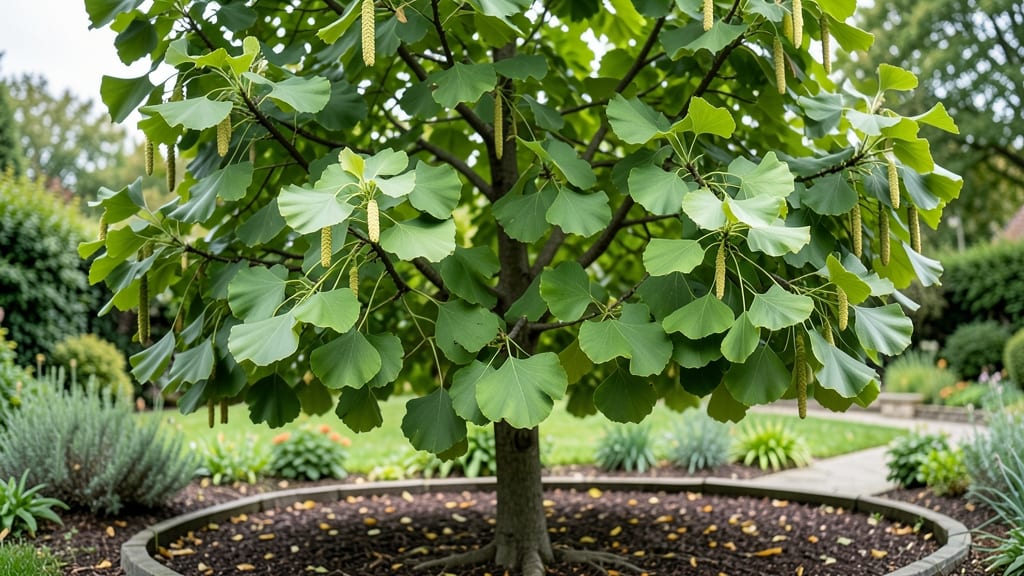
Growing maidenhair tree flowering plants (Ginkgo biloba) for their stunning fall foliage and unique flowering habits is one of the most rewarding ornamental projects you'll ever tackle. 🌿 I've watched mine transform from bare branches in winter to a canopy of golden-yellow leaves by October, and the subtle spring flowers are a bonus that most people overlook.
The key to coaxing those delicate flowers—and keeping your tree thriving—starts with the right site and a few seasonal care secrets.
These ancient trees need full sun to partial shade and well-drained soil that mimics their native habitats—think sandy loam with good drainage. Most gardeners make the mistake of planting in heavy clay, which leads to root rot and stunted growth.
My tree thrives in a spot where it gets morning sun and afternoon shade, and I've seen the difference when I compare it to neighbors who plant theirs in full sun all day. The flowering improves dramatically when the roots stay happy.
What makes Ginkgo biloba special is how it flowers before the leaves appear—tiny, greenish-yellow blooms in early spring that most people miss. The real show comes in fall, when the foliage turns that iconic golden hue.
With proper pruning (just remove dead or crossing branches in late winter), you'll encourage more flowers and a denser canopy. Even in Zone 3, these trees handle winter beautifully, making them one of the most cold-hardy ornamentals around.
Here's the best part: once established, maidenhair trees need almost no maintenance. They resist pests and diseases better than most shade trees, and their unique foliage adds year-round interest.
The only real challenge is finding enough space—these trees can reach 60-80 feet tall, but dwarf cultivars work beautifully in smaller yards. Whether you're planting one as a specimen or lining a street, it's an investment that pays off for decades.
📚 In This Guide
- What you need
- Instructions
- Tips and common mistakes
- Wrapping up and next steps
What you need
- ● Maidenhair tree saplings (Ginkgo biloba): 1–3 mature plants (for full visual impact)
- ● Choose male cultivars (e.g., 'Autumn Gold') to avoid messy fruit
- ● Size: 6–12" containers or bare-root seedlings (spring planting)
- ● Well-draining soil: 60% topsoil, 30% compost, 10% sand or perlite (for heavy clay soils)
- ● pH: 6.5–7.5 (neutral to slightly acidic)
- ● Planting tools: 1 shovel (for digging)
- ● 1 garden trowel (for root bed prep)
- ● 1 wheelbarrow (for soil mixing)
- ● Mulch: 2–3 inches of organic mulch (e.g., shredded bark or wood chips)
- ● Watering supplies: Garden hose with adjustable nozzle or watering can
- ○ Drip irrigation kit (optional but ideal for deep root watering)
- ● Soil test kit (to check pH/nutrients before planting)
- ● Fertilizer: Slow-release 10-10-10 or compost tea (apply in early spring)
- ● Tree stakes + ties (if planting in windy areas)
- ● Pruning shears (for shaping young trees)
- ● Plant guard (to protect from deer or pests)
Step-by-step guide to cultivating maidenhair tree flowering plants
This delicate yet resilient tree thrives with minimal fuss once you know its key needs.
🌱 Step 1: Select the Right Planting Site
The maidenhair tree (Ginkgo biloba) demands full sun to partial shade—at least 6 hours of direct sunlight daily for optimal flowering. I always choose sites with morning sun and afternoon shade in hot climates to prevent leaf scorch. The soil should be well-draining but moist; amend heavy clay with 2-3 inches of compost before planting.
Look for locations with some wind protection—young trees develop weak stems and can snap in strong winds. A spot near a fence or building provides shelter while still allowing sunlight penetration. Test the soil pH before planting; maidenhair trees prefer slightly acidic to neutral soil (6.1-7.5). If your soil tests higher, mix in sulfur or peat moss to adjust the pH gradually.
☀️ Step 2: Plant at the Correct Depth and Spacing
Dig a hole twice as wide as the root ball but no deeper—planting too deep suffocates roots and prevents proper nutrient uptake. Gently remove the tree from its container and loosen any circling roots with your fingers. Position the tree so the top of the root ball sits level with the surrounding soil—never bury the graft union if you're working with a nursery-grown specimen.
Space trees 30-40 feet apart for mature size, but closer spacing (15-20 feet) works for smaller landscapes if you're willing to prune regularly. Backfill the hole with native soil mixed with 1 part compost to encourage root establishment. Water deeply to eliminate air pockets, then create a 2-inch-high berm around the base to direct water away from the trunk and prevent rot.
💧 Step 3: Establish a Consistent Watering Routine
Newly planted maidenhair trees need 1-2 inches of water weekly during the first growing season, but deep watering every 5-7 days is better than frequent shallow watering. You'll know moisture is right when the top 2 inches of soil feel damp but not soggy. Overwatering leads to root rot, while underwatering causes leaf drop—both stress the tree and delay flowering.
After the first year, mature trees are drought-tolerant but still need deep watering during prolonged dry spells. Mulch the base with 2-3 inches of organic mulch (like wood chips) to retain moisture and regulate soil temperature. Keep mulch 6 inches away from the trunk to prevent disease. In winter, reduce watering significantly—only water if the ground remains frozen for more than 3 weeks.
✂️ Step 4: Prune for Shape and Flowering Stimulation
Prune maidenhair trees in late winter or early spring before new growth begins. Remove dead, diseased, or crossing branches first—these compete with healthy growth and reduce flowering potential. Use clean, sharp pruners to make cuts just outside the branch collar (the swollen area where the branch meets the trunk) to promote faster healing.
For shape, focus on selective thinning rather than shearing. Remove no more than 25% of the tree's canopy in any single year—aggressive pruning stresses the tree and can delay flowering for 2-3 years. Maidenhair trees naturally grow upright with a tiered branching habit; let them develop their own structure unless you're shaping for a specific landscape design. Fertilize lightly with balanced 10-10-10 in early spring if new growth appears weak.
🌿 Step 5: Monitor for Pests and Seasonal Care
Watch for ginkgo twig blight (a fungal disease causing leaf spots) and scale insects—both can reduce flowering. Treat fungal issues with copper fungicide in early spring, and spray for scale with horticultural oil during the dormant season. Maidenhair trees are generally pest-resistant, but aphids may appear on new growth; blast them off with a strong stream of water or use insecticidal soap if they persist.
In fall, remove any fallen leaves from around the base to prevent fungal buildup over winter. The tree's fan-shaped leaves turn golden-yellow in autumn, but don't prune until after leaf drop—this helps the tree store energy for next year's flowering. Mature trees produce insignificant flowers (male trees have catkin-like structures; females produce fleshy seeds), but their disease resistance and longevity make them a low-maintenance choice for year-round interest.
Tips & tricks for cultivating maidenhair tree flowering plants
Here's what I've learned after nurturing these trees through seasons—the little details that make all the difference.
Sunlight Strategy: While the instructions call for 6 hours of direct sunlight daily, I've found that trees planted in areas with morning sun and afternoon shade in hot climates develop more vibrant foliage and are less prone to leaf scorch. If you're in a particularly sunny region, consider using a lightweight shade cloth (30-50%) during peak afternoon hours for the first few weeks after planting. This helps the tree acclimate without sacrificing the sunlight it needs for flowering.
Root Establishment Hack: After planting, I create a watering well around the tree by pressing a 10-inch diameter ring of soil down firmly. This creates a reservoir that holds water right where the roots need it most. Fill it completely with water immediately after planting, then again every 5-7 days during the first growing season. This targeted approach ensures the roots get the moisture they need without wasting water on the surrounding soil.
Pruning Precision: When pruning in late winter or early spring, I always make my cuts just outside the branch collar—this is that swollen area where the branch meets the trunk. What I've noticed is that cuts made too close to the trunk don't heal properly and can invite disease. Use clean, sharp pruners and make the cut at a 45-degree angle about 1/8 inch outside the collar. This technique promotes faster healing and maintains the tree's natural structure.
Seasonal Care Calendar: I've created a simple seasonal checklist that's saved me from common mistakes. In spring, focus on light fertilization with 10-10-10 only if new growth appears weak. In summer, monitor for ginkgo twig blight and treat early with copper fungicide if you see any leaf spots. Fall is the time to remove fallen leaves and avoid pruning until after leaf drop. And in winter, only water if the ground remains frozen for more than 3 weeks—this prevents winter stress while still keeping the roots hydrated.
Pro Tips for Maidenhair Tree Flowering Plants
- Here's what I've learned after nurturing these trees through seasons—the little details that make all the difference.
- If you're in a particularly sunny region, consider using a lightweight shade cloth (30-50%) during peak afternoon hours for the first few weeks after planting.
- Root Establishment Hack: After planting, I create a watering well around the tree by pressing a 10-inch diameter ring of soil down firmly.
Frequently asked questions
Got questions about growing maidenhair trees? You’re not alone! Here are some of the most common queries—plus quick answers to help you nurture these stunning plants with confidence.
Do maidenhair trees actually flower?
Yes! While their Ginkgo biloba fame comes from their distinctive fan-shaped leaves, maidenhair trees (like Ginkgo and Parrotia persica) produce small, fragrant flowers in spring. Male trees bear yellow-green catkins, while females develop tiny, fleshy seeds (though they’re not edible). Pro tip: Plant both male and female trees if you want seeds—or stick to males for a mess-free yard!
How cold-hardy are maidenhair trees?
These trees are tough as nails! Most varieties, including Ginkgo biloba, thrive in USDA Zones 3–9, surviving temperatures as low as -30°F (-34°C). Parrotia persica, another cold-loving option, handles Zone 5–8. Just avoid late spring frosts—their delicate new growth can get damaged. Bonus: Mulch heavily in winter for extra protection!
What’s the best alternative if I want a flowering maidenhair look?
If maidenhair trees seem too high-maintenance, try these flowering shrubs with similar elegance:
- Cercis canadensis (Eastern Redbud): Spring blooms + heart-shaped leaves.
- Magnolia stellata (Star Magnolia): Fragrant white flowers in early spring.
- Fothergilla gardenii (Dwarf Witch Alder): White bottlebrush blooms + fiery fall foliage.
All three are cold-hardy (Zones 4–8) and add texture to your landscape.
How long does it take for a maidenhair tree to flower?
Patience is key! Most maidenhair trees (like Ginkgo) take 5–10 years to flower after planting, depending on growing conditions. Parrotia persica may bloom sooner (3–5 years) but focuses on stunning fall color first. Speed it up: Plant in well-draining soil with full sun, and fertilize lightly in spring.
Why isn’t my maidenhair tree flowering?
Don’t panic—common reasons include:
- Age: Young trees (under 5 years) may not flower yet.
- Stress: Over/under-watering or poor soil can delay blooms.
- Wrong variety: Some maidenhair trees (like Ginkgo ‘Autumn Gold’) are male-only and never produce flowers.
- Climate: Late frosts can damage buds before they open.
Check your tree’s gender (ask a nursery) and give it 2–3 years before worrying. If issues persist, test your soil pH (ideal: 6.1–7.5).
Wrapping up and next steps
The maidenhair tree (Ginkgo biloba) is a stunning, cold-hardy choice for year-round beauty—its golden autumn foliage and unique, fan-shaped leaves make it a standout in any landscape. Whether you’re a seasoned gardener or just starting, this resilient plant offers low-maintenance elegance and adaptability to various climates. 🌿
Ready to add a touch of timeless charm to your garden? Start by selecting a healthy sapling, preparing the soil, and giving it the right care—your future garden masterpiece awaits! Check out our planting tips to get started today.