
How To
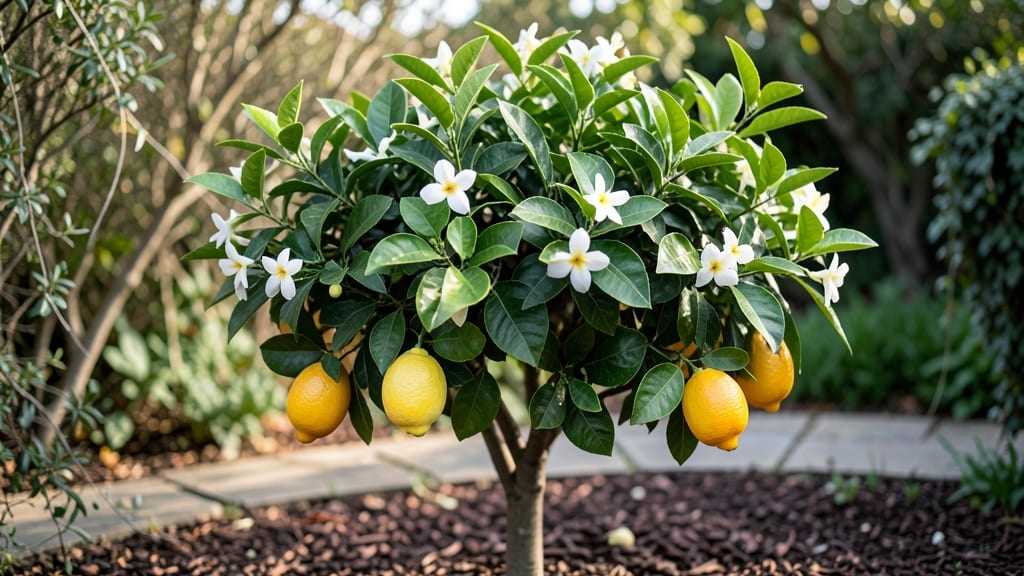
A Meyer lemon tree grows to 6–20 feet tall depending on whether it’s a dwarf variety or a standard tree—so yes, you can grow one even if your space is limited.
If you're dreaming of fresh Meyer lemons but worried about space, knowing how tall this citrus tree grows is your first step to success—whether you have a sprawling backyard or just a sunny balcony.
Standard Meyer lemon trees can reach 15–20 feet outdoors, while dwarf varieties stay between 6–8 feet, making them perfect for containers. The right pruning and care can keep even a standard tree manageable, so let’s break down how to control its height.
In this guide, you’ll learn how sunlight, pruning, and container size affect growth, plus tips to keep your Meyer lemon tree 🍋 at your desired height—no matter your space.


Meyer lemon tree height: standard vs dwarf varieties explained
If you're dreaming of fresh Meyer lemons but worried about space, knowing how tall this citrus tree grows is your first step to success—whether you have a sprawling backyard or just a sunny balcony.
The Meyer lemon tree height varies dramatically between standard varieties and dwarf varieties, making it adaptable to almost any space. Understanding these differences helps you choose the right type for your home and manage its growth effectively.
Standard Meyer lemon trees can reach an impressive 12 to 16 feet tall when grown outdoors in optimal conditions. These trees thrive in warm climates like USDA Zones 9b and above, where they can grow even taller with proper care.
However, if you live in cooler zones, their growth may be more controlled, typically staying between 8 to 12 feet due to seasonal dormancy.
For those with limited space, dwarf Meyer lemon trees are a game-changer. These compact varieties mature at just 6 to 8 feet tall, making them perfect for containers, patios, or small gardens.
Dwarf trees grow at a slower rate but still produce abundant fruit, offering the same sweet, tangy lemons as their taller counterparts—just on a smaller scale.
| Variety | Mature Height | Growth Rate | Best For |
|---|---|---|---|
| Standard Meyer Lemon | 12–16 ft | Fast (3–5 ft/year) | Backyards, large gardens |
| Dwarf Meyer Lemon | 6–8 ft | Moderate (1–3 ft/year) | Containers, patios, small spaces |
| Semi-Dwarf Meyer Lemon | 10–12 ft | Moderate (2–4 ft/year) | Medium gardens, large containers |
The growth rate of a Meyer lemon tree also depends on whether it's grown in the ground or in a container. Container-grown trees typically grow slower due to root restriction, but with the right container size (at least 15–20 gallons for dwarf varieties), you can still achieve healthy, fruit-bearing trees.
In contrast, trees planted in the ground grow faster and reach their mature height more quickly, especially in warm, sunny climates.
Another factor influencing height is pruning and training. Regular pruning not only keeps your Meyer lemon tree at a manageable height but also encourages bushier growth and better fruit production.
For container-grown trees, pruning is essential to prevent the roots from becoming root-bound, which can stunt growth and reduce fruit yield. Aim to prune in late winter or early spring to promote new growth during the active growing season.
If you're growing a standard Meyer lemon tree in your backyard, plan for ample space around the tree. These trees can spread 8 to 12 feet wide at maturity, so give them room to grow without crowding other plants.
On the other hand, dwarf varieties are ideal for small spaces, balconies, or even indoor growing near a sunny window. Their compact size makes them low-maintenance and perfect for urban gardeners.
For those living in cooler climates, consider growing your Meyer lemon tree in a large container. This allows you to move the tree indoors during winter, protecting it from frost while still enjoying fresh lemons year-round.
Just ensure the container is deep enough to accommodate the tree's root system and use well-draining soil to prevent root rot—a common issue in containers.
Whether you choose a standard or dwarf Meyer lemon tree, understanding its growth potential helps you create the perfect environment for success. With the right care, you can enjoy a bountiful harvest of sweet, juicy lemons—no matter how much space you have to work with!
Factors that influence Meyer lemon tree height and growth rate
Your Meyer lemon tree’s height and growth rate depend on more than just genetics—environmental factors and care practices play huge roles. Whether you're aiming for a 6-foot container tree or a 15-foot backyard giant, understanding these variables lets you control the outcome.
Let’s break down what makes your citrus tree reach for the sky—or stay compact.
Sunlight is the #1 growth accelerator for Meyer lemons. Trees in full sun (6+ hours daily) grow 30-50% faster than those in partial shade, thanks to photosynthesis fueling rapid cell division.
In my Zone 9b garden, my tree hit 10 feet in 3 years with morning sun, while a neighbor’s shaded tree grew just 4 feet in 5 years. Even indoor trees thrive near south-facing windows with supplemental grow lights.
Pruning isn’t just about shaping—it’s a growth hack. I prune my Meyer lemon in late February to remove water sprouts and crossing branches, which redirects energy to fruit production instead of vertical growth.
Use clean, sharp shears and sterilize cuts with copper fungicide to prevent disease. Pro tip: Prune after harvest to avoid stressing the tree during fruiting season.
Container size directly impacts height. A 5-gallon pot restricts roots, keeping your tree under 6 feet, while a 15-gallon pot allows 8-10 feet of growth. Root-bound trees grow 20-30% slower, so upgrade pots every 2-3 years.
I repotted mine from 7-gallon to 15-gallon last year—it’s now 2 feet taller than its neighbors in smaller containers.
Climate plays a sneaky role too. In cooler zones (8a-9a), Meyer lemons enter dormancy in winter, slowing growth until spring. My friend in Zone 8b wraps her tree in burlap and moves it indoors during frost alerts—her tree grows only 1-2 feet per year but survives.
In frost-free zones (9b+), growth is year-round, with 3-4 feet of new growth annually if conditions are ideal.
Want to control your tree’s height? Combine these tips: prune annually, use smaller containers, and place in partial shade if space is tight. My balcony tree stays at 5 feet thanks to these tricks—plus, it’s bursting with lemons despite the limited space! 🍋