
Container Gardens
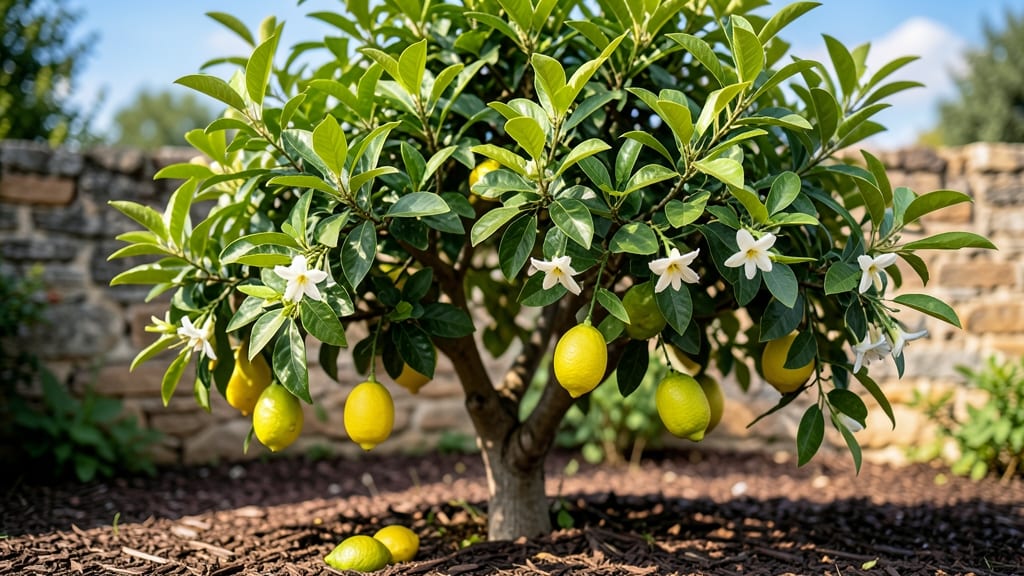
Mastering the lemon tree growing conditions is the difference between a thriving citrus wonder and a sad, leggy houseplant—something I learned the hard way after my first sapling stretched toward the window like a starving cat. 🌞 The wrong light means yellow leaves, stunted growth, and zero fruit, no matter how much you water.
But get this right, and you'll be harvesting lemons in 3-5 years, even in containers.
Most people mess up the soil—too heavy, too sandy, or worse, store-bought potting mix without drainage. My secret? A 50/50 blend of cactus/succulent mix and perlite, plus a handful of citrus fertilizer at planting.
The roots need air almost as much as water, and that mix prevents the dreaded "soggy bottom" that kills trees faster than aphids. And yes, you can grow these indoors—just near a south-facing window.
Watering feels like a guessing game until you learn the trick: stick your finger 2 inches deep—if it's dry, water thoroughly; if damp, wait. Overwatering is the #1 killer, especially in winter when growth slows.
Prune in late winter to shape the tree and encourage fruit production, and feed every 4-6 weeks with citrus-specific fertilizer. The first blooms might not fruit, but be patient—your tree is building strength.
Here's the regional twist: Zone 9-11 growers can plant outdoors year-round, while cooler climates (Zones 5-8) need winter protection—bring pots inside or wrap the trunk. My Zone 7 tree survives winters in a garage with a heat lamp, and it's produced fruit for three years running.
The key? Match the tree's Mediterranean roots to your microclimate, not just your zip code.
📚 In This Guide
- What you need
- Instructions
- Tips and common mistakes
- Wrapping up and next steps
What you need
- ● Container: A 5-gallon or larger pot with drainage holes (minimum 12–18 inches deep for dwarf varieties, 24+ inches for standard trees). Terra cotta or fiberglass works best.
- ● Well-draining potting mix: A blend of 60% high-quality citrus soil (or cactus/succulent mix), 30% perlite or pumice, and 10% compost. Avoid garden soil—it compacts and causes root rot!
- ● Drainage layer: 1–2 inches of gravel, coarse sand, or ceramic shards at the pot’s base.
- ● Fertilizer: A balanced citrus fertilizer (e.g., 6-6-6 or 8-3-9 NPK ratio) or organic options like fish emulsion or citrus-specific granules.
- ● Lemon tree: Choose a dwarf Meyer lemon (hardier and compact) or a standard lemon variety (like Eureka or Lisbon) if you have space.
- ● Watering can or hose with a gentle nozzle: Lemon trees hate soggy roots—avoid overwatering!
- ● Pruning shears: Sterilized, sharp shears (or small scissors) for trimming dead branches.
- ● Mulch: Organic mulch (like straw or bark chips) to retain moisture and regulate soil temp.
- ● pH testing kit: Lemon trees thrive in slightly acidic soil (pH 6.0–7.0). Adjust with lime (to raise pH) or sulfur (to lower pH) if needed.
- ● Support stake: For taller varieties, a lightweight bamboo or metal stake to prevent toppling.
- ● Humidifier or pebble tray: If your home is dry, a humidity tray or occasional misting keeps leaves happy.
- ● Grow lights (seasonal): A full-spectrum LED grow light for 12–14 hours/day if natural light is limited in winter.
Step-by-step guide to perfect lemon tree growing conditions
Here’s how to create the ideal environment for a thriving lemon tree—no guesswork, just proven results.
☀️ Step 1: Position for Full Sunlight Daily
Lemon trees demand at least 6-8 hours of direct sunlight every day. I place mine near a south-facing window or under grow lights for 12-14 hours daily if outdoors isn’t an option. Without enough light, leaves yellow and fruit production stalls completely.
Watch for leggy growth—when stems stretch and leaves grow far apart. This is your signal the tree isn’t getting sufficient light. Rotate the pot quarter-turn weekly so the tree grows evenly toward the light source. In cooler climates, bring potted trees indoors before temperatures drop below 50°F at night.
🌱 Step 2: Use Well-Draining Soil and a Proper Pot
Lemon trees hate soggy roots, so I mix equal parts potting soil, perlite, and compost to create a loose, airy medium. The pot must have drainage holes—no exceptions. Terracotta pots work best because they allow excess moisture to evaporate through the walls.
For mature trees, upgrade to a 12-18 inch diameter pot every 2-3 years to accommodate root growth. You’ll know it’s time when roots circle the bottom of the pot or poke through drainage holes. Always repot in spring when new growth begins.
💧 Step 3: Water Deeply but Infrequently
Water when the top 2-3 inches of soil feel dry to the touch. I use the finger test—stick my finger in the soil; if it’s damp past the first knuckle, wait another day. Overwatering causes root rot, which kills lemon trees faster than anything else.
During active growth (spring-fall), water every 5-7 days, but reduce to every 10-14 days in winter. Always water at the base, not overhead, to prevent fungal diseases. Yellow leaves often mean overwatering—let the soil dry out more between waterings.
✂️ Step 4: Prune for Airflow and Shape
Prune in late winter or early spring before new growth starts. Remove dead, crossing, or inward-growing branches first—these block sunlight and air circulation. Use sterilized pruning shears to make clean cuts just above a leaf node.
Shape the tree by trimming back overly long branches to encourage bushier growth. Never remove more than one-third of the foliage at once. Pruned branches can be propagated in water if you want to grow new trees—just place cuttings in room-temperature water until roots form.
🌿 Step 5: Feed and Protect Through Seasons
Fertilize monthly in spring and summer with a balanced citrus fertilizer (6-6-6 or 8-8-8 ratio). I halve the recommended dose—too much fertilizer burns roots. In fall and winter, switch to a low-nitrogen fertilizer to encourage dormancy and fruit set.
Watch for pests like aphids or scale on the undersides of leaves. Spray with neem oil or insecticidal soap at the first sign of infestation. Mature trees need winter protection—move potted trees indoors or wrap the trunk with burlap if temperatures drop below 40°F.
Tips & tricks for thriving lemon trees
Here’s what nobody tells you about keeping your citrus plant happy—these little details make all the difference between a struggling plant and a fruit-bearing beauty.
Light Source Strategy: If you’re using grow lights for your lemon tree’s 12-14 hours of daily light, position them 6-12 inches above the leaves and use full-spectrum bulbs. I’ve found that LED grow lights with a 5000-6500K color temperature mimic natural sunlight perfectly. For indoor trees, rotate the pot quarter-turn weekly to prevent uneven growth toward the light source—this creates a more compact, bushier tree.
Soil Mix Secrets: The equal parts potting soil, perlite, and compost mix is non-negotiable, but here’s the pro move: add a handful of coarse sand to improve drainage further. I also recommend mixing in orchid bark for extra aeration—this prevents that dreaded root rot while keeping the soil light and fluffy. Test your mix by squeezing it: it should hold shape but crumble easily when pressed.
Watering Wisdom: When using the finger test for the top 2-3 inches of soil, press gently—if moisture reaches your first knuckle, wait another day. I’ve learned this the hard way: overwatering causes yellow leaves, but underwatering creates crispy leaf edges. For winter care, let the soil dry out completely between waterings (every 10-14 days) since growth slows dramatically in cooler months.
Pruning Pro Tips: Before pruning in late winter, sterilize your shears with rubbing alcohol to prevent spreading disease. I always cut just above a leaf node at a 45-degree angle—this encourages new growth from that point. For shaping, focus on removing branches that grow inward or cross others first. Save those pruned cuttings! Place them in room-temperature water with just the bottom few inches submerged—they’ll root in about 2-3 weeks.
Pro Tips for Lemon Tree Growing Conditions
- Here’s what nobody tells you about keeping your citrus plant happy—these little details make all the difference between a struggling plant and a fruit-bearing beauty.
- Light Source Strategy: If you’re using grow lights for your lemon tree’s 12-14 hours of daily light, position them 6-12 inches above the leaves and use full-spectrum bulbs.
- Soil Mix Secrets: The equal parts potting soil, perlite, and compost mix is non-negotiable, but here’s the pro move: add a handful of coarse sand to improve drainage further.
Frequently asked questions
Got questions about growing your own lemon tree?
You’re not alone! Here are answers to the most common concerns—from sunlight struggles to soil secrets—so you can keep your citrus thriving in containers.
How much sunlight does a lemon tree really need?
A lemon tree craves 6–8 hours of direct sunlight daily. In containers, place it near a south- or west-facing window or use a grow light for 12–14 hours/day in low-light spots. Pro tip: Rotate the pot weekly for even growth!
Why are my lemon tree’s leaves turning yellow?
Yellow leaves usually mean overwatering or poor drainage. Let the top 1–2 inches of soil dry out between waterings, and ensure your pot has drainage holes. Check for: root rot (smelly soil) or nutrient deficiency (pale leaves).
Can I grow a lemon tree indoors year-round?
Yes! With the right care—bright light, humidity (60%+), and occasional outdoor time in summer—your lemon tree can thrive indoors. Just watch for pests like spider mites (common in dry air) and fertilize lightly every 2–3 months.
What’s the best soil mix for container-grown lemon trees?
Use a well-draining mix like 60% potting soil, 30% perlite/sand, and 10% compost. Avoid heavy garden soil—it causes root rot. Bonus: Add citrus-specific fertilizer at planting for a nutrient boost!
How do I protect my lemon tree from cold weather?
Lemon trees hate frost (<32°F). Move potted trees indoors near a sunny window or wrap them in frost cloth. If outdoors, mulch the base and cover with blankets. Warning: Sudden temp drops can shock the tree—gradual acclimation helps!
Wrapping up and next steps
Growing a lemon tree is a rewarding journey that blends patience with the joy of nurturing life—whether in a cozy container or your backyard. 🌱 With the right sunlight, soil, and care, your citrus tree can thrive, gifting you fresh lemons and fragrant blooms for years to come.
Now that you’re armed with the essentials, it’s time to roll up your sleeves and get planting!
Start small: pick your container, prep the soil, and place it in that sunny spot. Before you know it, you’ll be harvesting lemons straight from your own green thumb’s work. Happy growing! 🍋✨