
Trees
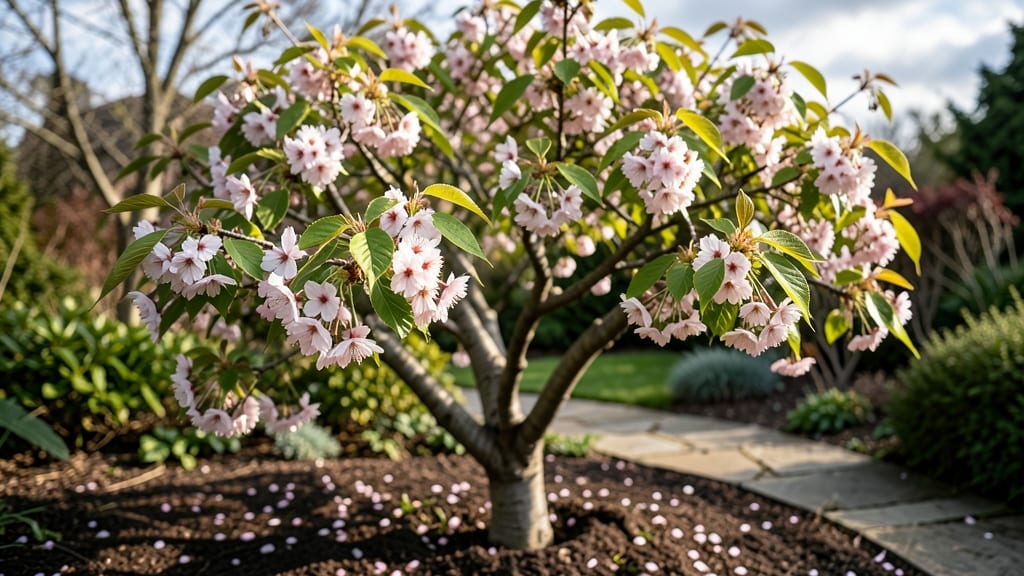
Growing an okame cherry tree in Florida means sweet, fragrant blossoms and tart-sweet fruit within just three years—if you nail the planting spot and soil. 🌸 I planted mine last spring in a slightly elevated bed, and now it's already sending out new shoots.
The key is mimicking its native Japanese climate: hot summers, mild winters, and well-draining soil that Florida's sandy loam can handle with a little help.
You'll need a spot with full sun (at least 6 hours daily) and protection from harsh afternoon winds, which can stress young trees. Florida's humidity is actually perfect for okame cherries, but the real challenge is avoiding waterlogged roots—these trees hate soggy feet.
Amend your native soil with 3-4 inches of compost before planting to improve drainage and fertility, and choose a location where it won't compete with other thirsty plants.
Once established, your tree will reward you with pink spring blooms that smell like heaven and clusters of small, edible cherries that ripen in late summer. The fruit may be tart, but it's perfect for jams, sauces, or fresh eating—if you can beat the birds to them!
With proper care, your okame cherry could live for decades, becoming a standout feature in your landscape.
Florida's occasional cold snaps are the only real threat, so if you're in the Panhandle or higher elevations, give your tree a light mulch in winter to protect its roots.
Prune in late winter to shape the tree and remove any dead or crossing branches, but avoid heavy pruning—these trees fruit on older wood. Pests are rarely an issue in Florida, but keep an eye out for scale insects and treat early if you spot them.
📚 In This Guide
- What you need
- Instructions
- Tips and common mistakes
- Wrapping up and next steps
What you need
- ● Okame cherry tree (Prunus campanulata) – 1-2 bare-root or container-grown saplings (dwarf or semi-dwarf varieties recommended for Florida’s climate).
- ● Well-draining soil mix – 50% native Florida soil + 30% compost + 20% perlite or sand (aim for a pH of 6.0–6.5).
- ● Shovel & garden fork – For digging holes (18–24" wide/deep for saplings).
- ● Organic mulch – 2–3 inches of pine bark, wood chips, or straw (keep mulch away from the trunk).
- ● Drip irrigation system or soaker hose – 10–15 feet of tubing + emitter (cherry trees need 1–1.5 inches of water weekly).
- ● Fertilizer – Slow-release 10-10-10 NPK (1 lb per tree) + micronutrients (iron, zinc).
- ○ Tree supports (optional but helpful) – 3–4 bamboo stakes + soft ties (for young trees in windy areas).
- ● Tree guard or wire mesh – To protect from gopher tortoises or deer (common in Florida!).
- ● Pruning shears & loppers – For shaping and removing dead branches (sterilize with rubbing alcohol!).
- ● Pest/disease monitor – Yellow sticky traps (for early pest detection) + copper fungicide (for fungal risks).
- ● Soil tester kit – To check nutrient levels before planting.
- ● Shade cloth (temporary) – 30–50% shade for young trees during Florida’s brutal summer heat.
Step-by-step instructions for planting Okame cherry trees in Florida
Here’s how to get your sun-loving Okame cherry tree thriving in Florida’s warm climate.
🪴 Step 1: Choose the Right Location and Prepare the Soil
Okame cherries love full sun—pick a spot that gets at least 6-8 hours of direct sunlight daily. Florida’s heat is perfect for them, but they need shelter from harsh afternoon winds. Test your soil first—these trees prefer well-draining, slightly acidic soil (pH 5.5-6.5). If your soil is heavy clay, mix in 2-3 inches of organic compost before planting to improve drainage.
Dig a hole twice as wide and just as deep as the tree’s root ball. Loosen the sides of the hole with a shovel to encourage root spread. Avoid disturbing the root ball when removing the tree from its container—gently squeeze the sides to coax it out if needed. This ensures the roots stay intact for faster establishment.
🌱 Step 2: Plant at the Correct Depth and Stake for Support
Place the Okame cherry tree in the hole so the top of the root ball sits level with the surrounding soil—burying the trunk too deep can suffocate the tree. Fill the hole halfway with soil, then water deeply to settle it. This prevents air pockets that could strangle new roots. Add more soil until the hole is ¾ full, then water again.
Use 2-3 wooden stakes (about 2 feet tall) to support the tree. Position them 6 inches from the trunk and tie the tree loosely to them with soft tree ties or strips of old T-shirt fabric. Avoid wire ties—they can cut into the bark as the tree grows. Mulch the base with 2-3 inches of organic mulch (like pine bark or shredded leaves), keeping it 6 inches away from the trunk to prevent rot.
☀️ Step 3: Water Deeply and Monitor for Florida-Specific Challenges
Water the tree deeply right after planting—soak the soil until it’s 6 inches down, then let it dry slightly before watering again. Okame cherries are drought-tolerant once established, but young trees need consistent moisture for the first year. In Florida’s heat, you’ll know it’s time to water when the top 2 inches of soil feel dry. Overwatering is just as bad—yellowing leaves or soggy soil signals you’re overdoing it.
Watch for scale insects and aphids, which love Florida’s warm, humid climate. Inspect the leaves weekly—tiny white or brown bumps on stems or leaves mean pests are present. Spray with neem oil (mixed as directed) or insecticidal soap at the first sign of trouble. These trees are generally pest-resistant, but Florida’s environment can push them over the edge if neglected.
✂️ Step 4: Prune for Shape and Fruit Production
Prune your Okame cherry tree in late winter or early spring (February-March in Florida) before new growth begins. Remove dead, diseased, or crossing branches first—these compete with healthy growth. Then, thin out overcrowded branches to improve airflow, which reduces fungal diseases like powdery mildew. Aim for an open, vase-like shape to let sunlight reach all parts of the tree.
You’ll also want to lightly prune back any overly long branches by 1/3 of their length to encourage bushier growth. Avoid heavy pruning—Okame cherries produce fruit on new wood, so aggressive cuts reduce harvests. After pruning, apply a fruit tree fertilizer (low in nitrogen, high in potassium and phosphorus) to support flowering and fruiting. Expect your first small harvest in 2-3 years, with full production by year 5.
Tips & tricks for perfect Okame cherry tree planting in Florida
Here's what I learned from years of growing these sun-loving trees in Florida's unique climate.
Sunlight Strategy: While the instructions call for 6-8 hours of direct sunlight, I've found that Okame cherries actually thrive with full sun exposure all day long in Florida's climate. If your yard has afternoon shade, consider planting near a southern-facing wall or fence to maximize sunlight. The more sun, the sweeter the fruit and the healthier the tree—just watch for afternoon winds that can stress young trees.
Soil Prep Secret: Florida's sandy soils often lack the organic matter Okame cherries crave. Beyond the 2-3 inches of compost mentioned, I recommend mixing in a handful of worm castings into the planting hole. These provide beneficial microbes that help roots establish faster. For heavy clay soils, add 1 part perlite to 3 parts soil in the hole to improve drainage while retaining moisture.
Watering Wisdom: The instructions mention watering deeply until soil is 6 inches down, but here's the real trick: use a soaker hose or drip irrigation to deliver water slowly right at the root zone. This prevents water runoff common in Florida's sandy soils and ensures moisture reaches where it's needed. I water mine for 20-30 minutes every other day during the first year, then taper off as roots establish.
Pest Prevention: Florida's humid climate makes pest control critical. I've had great success with a preventative spray schedule: apply neem oil every 2 weeks during growing season (spring through fall) even if you don't see pests. The key is to spray early in the morning when humidity is lower, which helps the oil adhere better to leaves. This proactive approach has kept my trees virtually pest-free for years.
Pro Tips for Okame Cherry Tree Florida
- Here's what I learned from years of growing these sun-loving trees in Florida's unique climate.
- Sunlight Strategy: While the instructions call for 6-8 hours of direct sunlight, I've found that Okame cherries actually thrive with full sun exposure all day long in Florida's climate.
- Soil Prep Secret: Florida's sandy soils often lack the organic matter Okame cherries crave.
Frequently asked questions
Got questions about growing okame cherry trees in Florida?
You’re not alone! Here are answers to the most common queries to help you cultivate these sun-loving beauties with confidence.
Can okame cherry trees thrive in Florida’s heat and humidity?
Okame cherries are perfect for Florida’s climate—zones 8-10. They tolerate heat and humidity better than many other cherry varieties, though they appreciate afternoon shade in the hottest months. Just ensure well-draining soil to prevent root rot.
How long does it take for an okame cherry tree to bear fruit in Florida?
With ideal care, you can expect fruit in 2-3 years for container-grown trees or 3-4 years for field-grown ones. Florida’s warm winters accelerate growth! Prune regularly to encourage fruiting branches and protect young trees from frost.
What’s the best alternative if okame cherries don’t grow well in my yard?
Try these Florida-friendly alternatives:
- Satsuma mandarin – Cold-hardy, sweet, and low-maintenance.
- Loquat tree – Thrives in heat, produces edible fruit.
- Jaboticaba – Unique grape-like cherries, drought-tolerant.
Why aren’t my okame cherries ripening in Florida?
Common culprits include:
- Insufficient sunlight – Okames need 6+ hours of direct sun daily.
- Overwatering – Let soil dry slightly between waterings.
- Nutrient deficiency – Fertilize with citrus-specific blend in spring.
- Pests – Watch for aphids or scale; use neem oil if needed.
Are okame cherries safe to eat fresh, or do they need cooking?
Yes! They’re delicious fresh—sweet, tart, and juicy when fully ripe (deep red/purple). For best flavor, pick when slightly soft to the touch. Use them in jams, desserts, or enjoy them straight off the tree. Just remove the pit!
Wrapping up and next steps
The Okame cherry tree in Florida is a rewarding addition to your landscape, offering stunning blooms and sweet fruit in just a few years! With the right soil, sunlight, and care, you’ll enjoy its beauty and bounty—plus, it thrives in Florida’s climate.
Ready to plant? Start by sourcing a healthy sapling, then give it love (and pruning!) to watch it flourish.
🌱 Next step: Mark your calendar for spring planting—it’s the perfect time to get growing! Whether you’re a beginner or a seasoned gardener, this tree is a delightful challenge worth taking on.