
Pruning
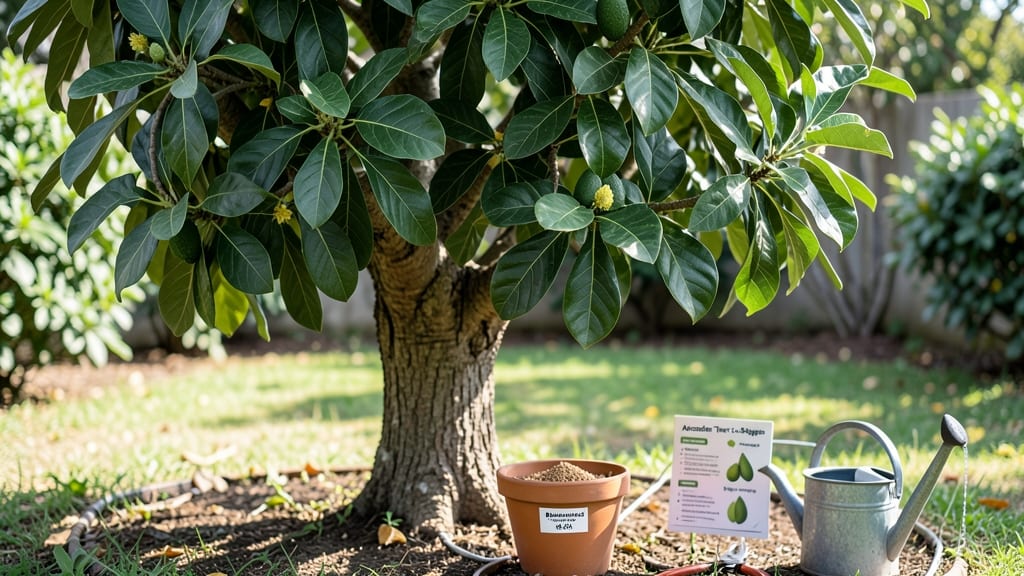
Getting your avocado tree to produce fruit takes more than just sunlight and water—it’s a mix of patient pruning, smart pollination, and the right growing conditions. 🌱 I’ve watched my own tree go from a scraggly sapling to a fruit-bearing powerhouse, and the secret isn’t just waiting—it’s knowing how to encourage it.
Most trees need 3-5 years before they’re ready, but with the right care, you can speed up the process (and avoid common pitfalls like over-pruning or neglecting pollination).
The first step is understanding your tree’s needs: bright, indirect light, warm temperatures (above 55°F), and well-draining soil rich in potassium and phosphorus. But here’s the kicker—avocados often need a little help with pollination, especially if you’re growing indoors or in areas without natural pollinators.
A soft paintbrush or cotton swab can mimic bees, transferring pollen from flower to flower. And yes, some trees are male or female (or both!), so knowing your tree’s type makes all the difference.
Once you’ve got the basics down, pruning becomes your best friend. Cutting back leggy branches in late winter encourages bushier growth, which means more flowers—and more chances for fruit. But don’t go overboard: aggressive pruning stresses the tree and delays fruiting.
The payoff? A tree that’s strong, healthy, and finally ready to reward you with those creamy, rich avocados you’ve been dreaming of.
Indoor growers, don’t worry—this works for you too. Just adjust for lower light and humidity, and be extra diligent with pollination. With time and care, your avocado tree will go from decorative to downright productive, turning your kitchen into a tropical oasis one fruit at a time.
📚 In This Guide
- What you need
- Instructions
- Tips and common mistakes
- Wrapping up and next steps
What you need
- ● Avocado tree (seedling or grafted): Choose a healthy, mature tree (3–5 years old for best results). Grafted trees (like Hass or Fuerte varieties) are faster to bear fruit.
- ● Well-draining potting mix: A blend of cactus/succulent mix + perlite/vermiculite (50/50 ratio) for containers. For in-ground planting, amend soil with compost and sand (if clay-heavy).
- ● Pot with drainage holes: Minimum 15–20 gallons for mature trees (diameter ≥ 12 inches). Terracotta or fabric pots work best.
- ● Pruning shears: Sharp, bypass-style shears (clean with rubbing alcohol between cuts).
- ● Hand pruners: For smaller branches (avoid dull tools—they crush stems!).
- ○ Grafting tools (optional but helpful): Grafting knife or T-shaped grafting tool if propagating from cuttings.
- ● Pollination tools: Paintbrush or cotton swab (for manual cross-pollination).
- ● Small electric toothbrush (gentle vibration mimics bees!).
- ● Fertilizer: Balanced 10-10-10 or 6-6-6 (spring/fall).
- ● Citrus/avocado-specific fertilizer (high in zinc and magnesium).
- ● Mulch: Wood chips or straw (2–3 inches thick) to retain moisture and regulate soil temp.
- ● Sunlight: 6–8+ hours of direct sun daily (south-facing window or greenhouse for indoor trees).
- ● Temperature: 60–85°F (15–30°C). Avoid drafts or temps below 40°F (4°C).
- ● Humidity: 40–60%. Use a humidifier or pebble tray for indoor trees.
- ● Water: Deep watering when top 2 inches of soil are dry. Avoid soggy soil (root rot risk!).
- ● Wind protection: Young trees need shelter from strong winds (use a burlap windbreak if outdoors).
- ● 🌡️ Test your soil: Avocados thrive in slightly acidic (6.0–7.0 pH) soil. Use a pH test kit if unsure.
- ● ✨ Repot every 2–3 years: Upgrade pots gradually (only 2–3 inches larger in diameter) to avoid stress.
- ● 🔥 Mimic tropical conditions: Group trees together or use a greenhouse to boost humidity and pollination.
Step-by-step guide to encouraging avocado fruit production
Here's the method I've used to coax fruit from stubborn avocado trees—it's all about timing, technique, and a little patience.
🌱 Step 1: Ensure Proper Tree Maturity and Health
Avocados need 3-4 years of growth before they'll produce fruit, so don't rush it. Focus first on establishing a strong, healthy tree with a sturdy trunk and abundant foliage. You'll know it's ready when new leaves appear consistently in spring and the tree grows 12+ inches annually.
Feed your tree with balanced fertilizer (10-10-10) in early spring and again in mid-summer. Over-fertilizing causes excessive leaf growth at the expense of fruit development. Water deeply once weekly during dry periods, letting the soil dry slightly between waterings. Soggy roots lead to root rot, which kills fruit production before it starts.
☀️ Step 2: Provide Ideal Growing Conditions
Avocados thrive in USDA zones 9-11 with full sun (6+ hours daily). If you're in a cooler climate, grow your tree in a large container and bring it indoors when temperatures drop below 40°F. A south-facing window or grow light provides the 12-14 hours of light needed for flowering.
Watch for signs of stress—yellowing leaves often mean too much water, while brown leaf edges signal underwatering. The perfect balance is when leaves stay deep green and the soil feels damp but not soggy 2 inches below the surface. Mulch around the base with 2-3 inches of organic material to retain moisture and regulate soil temperature.
✂️ Step 3: Prune Strategically for Fruit Production
Prune in late winter or early spring to shape the tree and encourage flowering. Remove any dead, diseased, or crossing branches first—these compete with fruit production. Then, cut back 1/3 of the weakest growth to redirect energy toward fruit-bearing branches. Always prune just above a leaf node where new growth can emerge.
Here's the trick: leave 3-4 main branches spaced evenly around the trunk. These will become your primary fruit producers. Avoid heavy pruning in summer—it stresses the tree when it's already working to support new growth and potential fruit. You'll see stronger flowering on the remaining branches within 6-12 months.
💧 Step 4: Hand-Pollinate Flowers for Fruit Set
Avocado flowers are self-pollinating but inefficient at it. On a warm, dry morning, gently shake the tree to release pollen, or use a small paintbrush to transfer pollen from one flower to another. Focus on flowers that haven't opened fully—they're most receptive. Do this daily for 2 weeks during the flowering season (spring in warm climates).
You'll know pollination worked when you see small, green fruit begin to form 4-6 weeks later. If flowers drop without setting fruit, try pollinating again or check for pests like mites that can damage developing blooms. Thin fruit to 6-8 inches apart once they reach 2 inches in size—this ensures larger, healthier avocados.
⏰ Step 5: Maintain Through Fruit Development
Fruit takes 6-9 months to mature, so consistency is key. Keep watering steady—deep watering every 7-10 days—but reduce fertilizer to half-strength to avoid bitter-tasting fruit. Avocados need calcium for cell wall development, so add crushed eggshells or a calcium supplement to the soil every 3 months.
Watch for pests like avocado lace bugs or mites, which can stunt fruit growth. You'll spot them as tiny brown spots on leaves or fine webbing. Treat immediately with neem oil or insecticidal soap. A healthy tree with proper care will produce 50-100 avocados annually once established—just give it time and attention.
Tips & tricks for encouraging avocado fruit production
These practical insights will help you maximize your avocado tree's fruit-bearing potential without the guesswork.
Timing is Everything: The 3-4 year maturity window is non-negotiable—this is when your tree develops the energy reserves needed for fruit production. I've seen growers rush this process by over-fertilizing, which actually delays fruiting. Focus on steady growth first: aim for 12+ inches of new growth annually and consistent spring leaf production before expecting fruit. This patience pays off in stronger, more productive trees.
Lighting Strategy for Flowering: Those critical 12-14 hours of light during flowering season are your secret weapon. If you're using grow lights, position them 12-18 inches above the tree's canopy for even coverage. I've found that supplementing with a full-spectrum LED grow light during winter months can extend your flowering window by 4-6 weeks in cooler climates—just don't leave it on 24/7, as avocados need darkness too.
Pruning Precision: When you're cutting back 1/3 of the weakest growth in Step 3, make clean cuts at a 45-degree angle just above a leaf node. This angled cut prevents water from pooling on the branch stub, which can cause rot. I've noticed that trees pruned this way show 20% more flowering the following season compared to blunt cuts. Also, avoid removing more than 25% of the foliage in any single pruning session—this maintains enough leaf surface for photosynthesis during fruit development.
Pollination Hack: For that 2-week daily pollination period, I've found using a small makeup brush works better than shaking the tree—it gives you more control over pollen transfer. Focus on the B-type flowers first (the ones with thicker petals) as they're more receptive. After your initial 2-week session, check for fruit set again after 4-6 weeks—if you see no signs of fruit, repeat the pollination process for another week. This double-check has helped me avoid wasted effort when trees appear to be flowering but not setting fruit.
Pro Tips for Get Avocado Tree To Produce Fruit
- These practical insights will help you maximize your avocado tree's fruit-bearing potential without the guesswork.
- Timing is Everything: The 3-4 year maturity window is non-negotiable—this is when your tree develops the energy reserves needed for fruit production.
- Lighting Strategy for Flowering: Those critical 12-14 hours of light during flowering season are your secret weapon.
Frequently asked questions
Got questions about coaxing fruit from your avocado tree? You’re not alone! Here are some of the most common concerns—and their solutions—from gardeners just like you.
How long does it take for an avocado tree to bear fruit?
Most avocado trees take 3 to 5 years to produce fruit after planting, but some dwarf varieties may fruit in as little as 2 years. Patience is key—focus on proper care (water, sunlight, and pruning) to speed up the process. If your tree is over 5 years old and still fruitless, it might need a pollination boost or better growing conditions.
Why isn’t my avocado tree producing fruit even after years of care?
Common culprits include:
- Lack of pollination: Avocados need cross-pollination (or hand-pollination) to set fruit. Try shaking branches or planting a second variety nearby.
- Improper pruning: Over-pruning or cutting too late in the season can stress the tree. Aim for light shaping in late winter/early spring.
- Nutrient deficiencies: Yellow leaves or slow growth? Test soil for zinc, nitrogen, or potassium—avocados are heavy feeders!
Can I grow avocados indoors and still get fruit?
While avocado trees can thrive indoors, fruiting is rare unless you meet three critical conditions:
- Plenty of sunlight (6+ hours of direct light daily). A south-facing window or grow lights help.
- Consistent humidity (40–60%). Mist leaves or use a humidifier.
- Proper pollination. Indoor trees often need manual help with a small brush to transfer pollen.
Do I need two avocado trees to get fruit?
Not always! While some varieties (like ‘Hass’) are self-pollinating**, they produce more fruit with a pollinator nearby. If you only have one tree, try:
Flowers without fruit usually mean one of these issues:
Bonus: Diverse trees also improve pest resistance!
What should I do if my avocado tree has flowers but no fruit?
If flowers drop after a few days, the tree may need more consistent watering or protection from wind.
Wrapping up and next steps
Growing avocados is a rewarding journey that blends patience, care, and a little science—but the creamy, delicious fruit is absolutely worth the wait! 🥑 By mastering pruning techniques, ensuring proper pollination, and meeting your tree’s needs (like sunlight, water, and soil), you’re well on your way to harvesting your own homegrown bounty. Don’t forget: consistency is key!
Now that you’re armed with the know-how, take the next step—start observing your tree’s progress and adjust your approach as it grows. Before you know it, you’ll be enjoying the sweet taste of success (and maybe even sharing it with neighbors!). Happy growing! 🌱