
Container Gardens
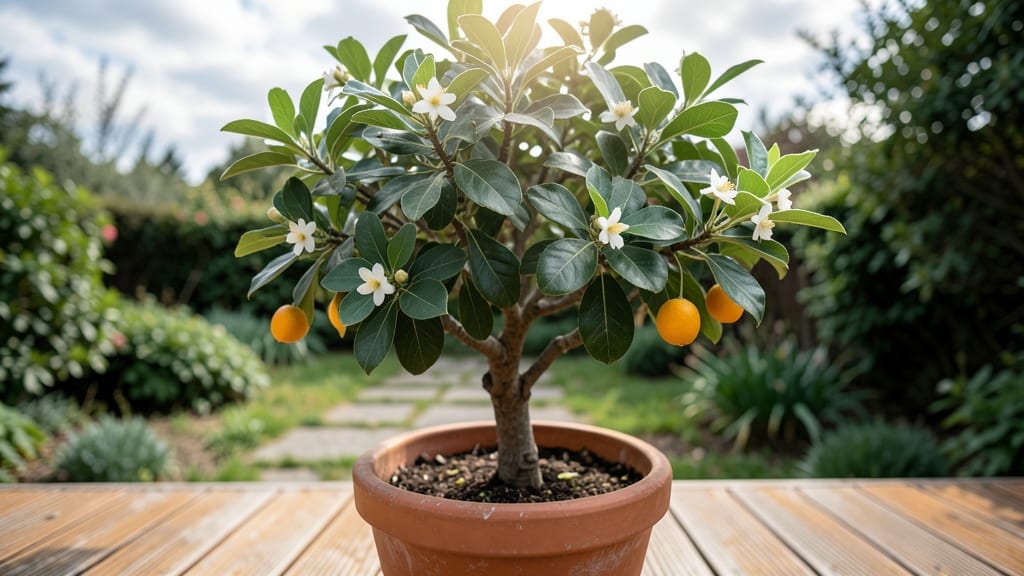
Growing a loquat tree in a pot lets you harvest sweet, fragrant fruit from your patio or balcony. 🌿 I've kept mine thriving for years using the same simple container setup—no greenhouse or special tools needed.
The key is matching the tree's needs to what a pot can provide, and I'll walk you through every step so you avoid the common mistakes that kill container-grown loquats.
You'll need a 15-20 gallon pot with drainage holes, well-draining soil mix, and a sunny spot that gets at least 6 hours of light daily. Loquats love warmth but hate soggy roots, so I use a blend of potting soil, perlite, and a handful of compost.
Water when the top inch feels dry, and never let it sit in saucers—drainage is non-negotiable for these tropical trees.
By summer, you'll see those signature orange-yellow fruits forming, and with proper pruning after harvest, your tree stays compact and productive. The secret is winter care: move it indoors or to a sheltered spot when temperatures drop below 40°F, and you'll get another growing season out of it.
Even in pots, loquats can live for decades with the right care. The biggest challenge is root-bound conditions, but I'll show you how to spot it and repot before it becomes a problem. Ready to start your own fruiting tree?
📚 In This Guide
- What you need
- Instructions
- Tips and common mistakes
- Wrapping up and next steps
What you need
- ● Loquat tree (Eriobotrya japonica) – Choose a young sapling (1–3 years old) from a nursery. Look for healthy roots and vibrant leaves!
- ● Container – A durable, well-draining pot (18–24" in diameter for mature trees). Opt for terracotta, ceramic, or high-quality plastic with drainage holes.
- ● High-quality potting mix – A blend of 60% cactus/succulent mix and 40% perlite or pumice for aeration. Avoid garden soil!
- ● Slow-release fertilizer – A balanced citrus-specific fertilizer (e.g., 6-6-6 or 10-10-10 NPK ratio). Start with 2–3 tbsp per gallon of soil.
- ● Gravel or broken pottery – For a 2–3" drainage layer at the pot’s bottom.
- ● Watering can with a narrow spout – Ensures gentle, deep watering without disturbing roots.
- ● Trowel or small shovel – For planting and repotting.
- ● pH testing kit – Loquats prefer slightly acidic soil (pH 5.5–6.5).
- ● Mulch (bark chips or straw) – Helps retain moisture and regulate temperature.
- ● Support stake or trellis – If your loquat grows tall (though dwarf varieties may not need it).
- ● Pruning shears – For shaping and maintaining your tree’s health.
Step-by-step instructions for growing a loquat tree in a pot
Here's how to keep your loquat tree thriving in containers while enjoying sweet fruit year after year.
🪴 Step 1: Choose the Right Container and Drainage
Loquat trees need room to grow, so start with a 5-gallon pot for young trees and upgrade to 15-gallon or larger as they mature. The container must have drainage holes—no exceptions. I always add a 2-inch layer of gravel or broken pottery at the bottom before filling with soil. This prevents root rot by keeping roots away from standing water.
Terracotta pots work best because they breathe and help regulate moisture. If using plastic, choose one with multiple drainage holes and avoid black containers—they absorb heat and can bake roots. Place the pot in a wheelbarrow or saucer to catch drainage, but empty it after watering to prevent soggy soil.
🌱 Step 2: Plant in Well-Draining Soil Mix
Loquats hate soggy feet, so blend two parts potting mix with one part perlite or coarse sand for drainage. I add a handful of orchid bark to improve aeration—this mimics their natural, well-draining soil. Fill the pot 2/3 full with your mix, then gently remove the tree from its nursery container and place it in the center.
Loquat trees have a taproot, so avoid disturbing it. Backfill with soil, pressing lightly to eliminate air pockets but not compacting too tightly. Leave 1 inch of space between the soil surface and the pot rim for watering. Water thoroughly after planting to settle the soil around the roots.
☀️ Step 3: Position for Sunlight and Temperature
Loquats thrive in full sun (6-8 hours daily) but tolerate partial shade in hot climates. Place your pot where it gets morning sun and afternoon shade during summer to prevent leaf scorch. In cooler zones, full sun all day is ideal. I move my tree to a covered patio in winter if temperatures drop below 20°F—loquats are tender and won’t survive frost.
Watch for yellowing leaves—this signals either too much sun (burn) or not enough (weak growth). If leaves curl or drop, adjust the pot’s location. Loquats also appreciate humidity, so mist leaves occasionally or place the pot on a pebble tray with water to maintain moisture in the air.
💧 Step 4: Water and Fertilize for Fruit Production
Water when the top 2 inches of soil feel dry—stick your finger in to check. Loquats need consistent moisture but hate soggy soil. I water deeply 2-3 times per week in summer, reducing to once weekly in winter. Overwatering causes root rot, while underwatering leads to dropped fruit. Always water at the base, not the leaves, to prevent fungal issues.
Fertilize every 4-6 weeks during spring and summer with a balanced 10-10-10 or citrus fertilizer. Stop fertilizing in fall and winter—this encourages dormancy. I also sprinkle compost tea monthly for micronutrients. Prune dead or crossing branches in late winter to shape the tree and improve airflow.
✂️ Step 5: Prune and Harvest for Long-Term Health
Prune after fruiting (late winter or early spring) to remove dead wood, water sprouts, and crowded branches. Loquats fruit on new growth, so avoid heavy pruning—just shape the tree to keep it open. Use sterilized pruners to prevent disease, and seal larger cuts with pruning sealant if needed.
Harvest fruit when it ripenes naturally—loquats don’t ripen off the tree. They’ll fall when ready, or you can pick them when they’re soft to the touch and slightly fragrant. Store at room temperature for a few days or refrigerate for up to 2 weeks. Thin out excess fruit early in the season to encourage larger, sweeter loquats on the remaining branches.
Tips & tricks for growing a thriving loquat tree in pots
Here's what I wish I knew when I first tried growing loquats in containers—these little adjustments make all the difference.
Container Size Matters: The 5-gallon starting pot might seem small, but loquat trees grow surprisingly fast. I've seen them outgrow their containers within just 2 years! Plan to upgrade to a 15-gallon pot by year 2, or you'll notice stunted growth and root-bound stress. If you're impatient, choose a 15-gallon pot from the start—your tree will reward you with healthier foliage and better fruit production.
Root Health Secret: That 2-inch gravel layer isn't just about drainage—it's about preventing root rot. I learned this the hard way when my first tree developed yellow leaves from soggy roots. Use only clean, coarse gravel or broken terracotta pieces (never small stones that can clog drainage). Pro tip: If your pot doesn't have drainage holes, drill them yourself—loquats will thank you with vibrant leaves and fruit.
Sunlight Strategy: The 6-8 hours of daily sun requirement is non-negotiable, but how you position your tree matters just as much. I place my pot where it gets morning sun (when it's cooler) and afternoon shade (to prevent scorching). In hot climates, even 2 hours of direct afternoon sun can burn leaves—watch for crispy edges as your warning sign. For winter protection, move your tree to a covered patio when temps approach 20°F, even if it's just for a few hours.
Fertilizer Timing: Those 4-6 week intervals between fertilizing are crucial, but don't just eyeball it—mark your calendar! Over-fertilizing causes salt buildup in the soil, which stresses the tree. I use a slow-release citrus fertilizer in spring and switch to compost tea in summer when I notice new growth. The key is consistency: too much fertilizer leads to leaf burn, while too little results in small, tart fruit.
Pro Tips for Loquat Tree In Pot
- Here's what I wish I knew when I first tried growing loquats in containers—these little adjustments make all the difference.
- Container Size Matters: The 5-gallon starting pot might seem small, but loquat trees grow surprisingly fast.
- Root Health Secret: That 2-inch gravel layer isn't just about drainage—it's about preventing root rot.
Frequently asked questions
Got questions about keeping a loquat tree in a pot thriving? You’re not alone! Here are answers to the most common concerns—from pruning to pests and beyond.
How big can a loquat tree grow in a pot?
A loquat tree in a pot typically stays dwarf-sized (6–10 feet tall) if pruned regularly. Choose a 15–25 gallon container for mature trees, with drainage holes to prevent root rot. Repot every 2–3 years for optimal growth.
When should I prune my potted loquat tree?
Prune in late winter or early spring (before new growth) to shape the tree and encourage fruit production. Remove dead, crossing, or overcrowded branches—avoid heavy pruning in fall, as it may stress the tree before winter.
Will my potted loquat tree produce fruit?
Yes! With proper care—full sun (6+ hours/day), well-draining soil, and occasional fertilization—your potted loquat can bear fruit in 3–5 years. Smaller varieties like ‘Big Jim’ or ‘Algerie’ are ideal for containers.
What pests commonly attack potted loquat trees?
Watch for aphids, scale, or spider mites, especially in dry conditions. Treat with neem oil or insecticidal soap. Prevention tip: Mist leaves occasionally and inspect undersides for early signs of infestation.
How do I protect my potted loquat in winter?
Move pots to a sheltered spot (50°F+) or wrap the container in bubble wrap for insulation. Reduce watering and avoid fertilizing until spring. If temps drop below 20°F, use a frost cloth for extra protection.
Wrapping up and next steps
Growing a loquat tree in a pot is a rewarding way to enjoy sweet, tropical fruit year-round—even in small spaces! With the right container, soil, and care, you’ll turn your balcony or patio into a mini orchard.
Remember, patience and consistency are key, especially when it comes to pruning, winter protection, and fertilizing.
Ready to take the next step? Start with a healthy sapling or cutting and give it the love it deserves. Before you know it, you’ll be harvesting golden loquats straight from your container garden—what’s not to love? 🌱✨