
Trees
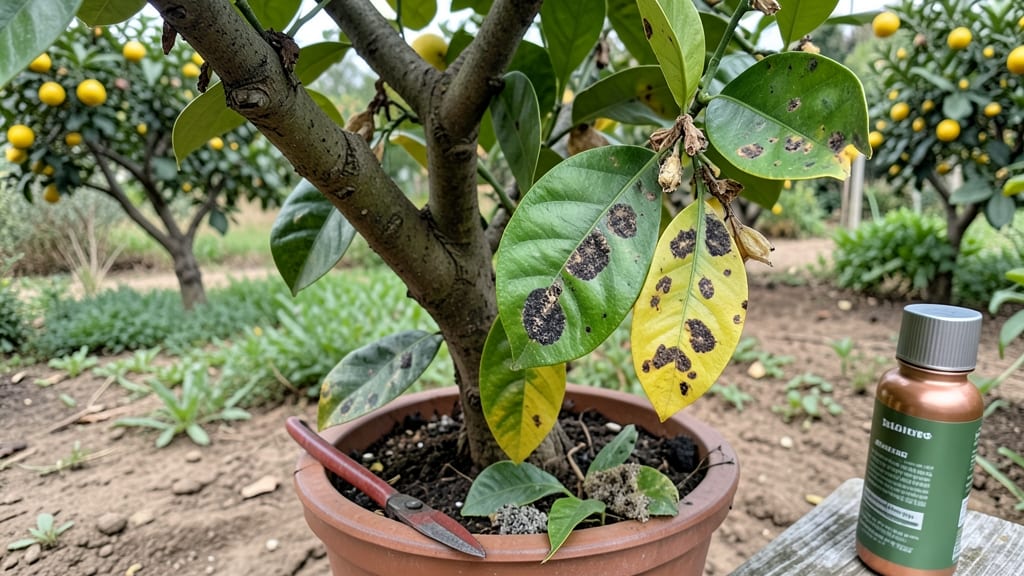
Citrus fungus ruins harvests faster than you can say "lemon drop." 🌱 The moment you spot those dark, greasy spots on leaves or fuzzy mold on fruit, your tree's health is in trouble—but there's a way to fight back without harsh chemicals.
I've battled citrus scab and melanose on my Meyer lemon tree, and these organic sprays saved it from looking like a science experiment gone wrong.
The problem starts with humidity and wet foliage, creating the perfect breeding ground for fungal spores. Pruning for airflow and removing infected leaves cuts the spread, but the real game-changer is a neem oil spray mixed with baking soda—it's like a shield for your tree's skin.
I apply it every 10-14 days during rainy seasons, and the spots stop spreading within weeks.
By midseason, your tree will look like it just stepped out of a grove in Florida—glossy leaves, no blemishes, and fruit that shines like it belongs on a farmer's market display.
The best part? These sprays are safe for bees and won't leave your lemons tasting like chemicals. Just watch for powdery mildew too—it loves citrus almost as much as the other fungi.
For stubborn cases, a copper fungicide (organic-certified) is the nuclear option—but use it as a last resort. If your tree keeps fighting back despite your efforts, that's when you call in a professional. Prevention is always easier than cleanup, so start spraying before you see the first spot.
Root Causes Of Citrus Tree Fungus
Fungal infections in citrus trees aren’t random—they thrive when specific conditions align, often tied to environmental stress, poor cultural practices, or natural vulnerabilities in the plant itself. Understanding these triggers helps you prevent outbreaks or act fast when symptoms appear.
Below are the key reasons why citrus trees become fungal hotspots, broken down by the science behind each cause.
Fungi like Phyllosticta citricarpa (citrus leaf spot) and Guignardia citricarpa (melanose) need moisture to spread. When water droplets linger on leaves—especially for prolonged periods—spores germinate and infect tissues.
- Why it happens:
- Overhead irrigation (sprinklers) wets foliage, creating a fungal-friendly microclimate.
- Humidity above 75% for more than 12 hours/day encourages spore growth.
- Poor drainage keeps roots soggy, weakening the tree’s defenses.
- Actionable insight:
Switch to drip irrigation or soaker hoses to deliver water at the base. Prune for airflow (aim for 3–4 feet of space between branches) and water early in the morning so leaves dry by afternoon.
Stressed citrus trees—whether from drought, nutrient deficiencies, or pest damage—are easier targets for fungal invaders. Think of it like a human with a compromised immune system catching every cold that comes their way.
- Why it happens:
- Nitrogen deficiency (yellowing leaves) reduces chlorophyll, making leaves less resistant to pathogens.
- Root damage (from overwatering, compacted soil, or gophers) limits nutrient uptake.
- Pest attacks (e.g., aphids, scale) create entry wounds for fungi.
- Actionable insight:
Run a soil test to check pH (ideal: 6.0–7.0) and nutrient levels. Apply balanced fertilizer (e.g., 6-6-6 NPK) in early spring and treat pest outbreaks before they spiral.
Fungi have optimal temperature ranges—just like us, they’re picky about when to party. Citrus trees face the highest risk during warm, wet springs and humid summers, when spores thrive.
- Why it happens:
- 60–85°F (15–30°C) is the sweet spot for most citrus fungi to germinate.
- Rapid temperature swings (e.g., cool nights + warm days) create condensation on leaves.
- Dormant-season wounds (from pruning or frost) provide gateway infections when the tree wakes up.
- Actionable insight:
Prune in late winter/early spring (before fungal season peaks) and avoid wounding trees in fall. Use mulch (2–4 inches of wood chips) to moderate soil temps and reduce stress.
Fungi love shade—literally. When citrus trees grow too dense, stagnant, humid air traps spores near leaves, creating a perfect breeding ground.
- Why it happens:
- Overcrowded branches block sunlight and airflow, keeping leaves wet longer.
- Thatch buildup in mulch or grass clippings near the trunk traps moisture at the soil level.
- Monoculture planting (all citrus trees in one area) increases spore cross-contamination.
- Actionable insight:
Thin out 20–30% of branches to improve airflow, and remove thatch around the base. Space new trees 15–20 feet apart to prevent fungal hitchhiking.
Pro Tip: 💡 Monitor your tree’s stress signals—wilting, yellowing, or premature leaf drop are early warnings that fungal pressure is building. Catch these cues, and you’ll nip infections in the bud before they spread.
Fixing Fungal Issues Naturally
Fungal infections in citrus trees can feel overwhelming, but with the right approach, you can restore your tree’s health—without harsh chemicals. Below are targeted solutions for common citrus tree fungi, paired with prevention tips to keep your grove thriving.
Whether you’re dealing with leaf spots, powdery mildew, or root rot, these methods are easy to implement and eco-friendly.
Use this quick guide to identify the issue and act fast:
| Fungal Issue | Symptoms | Likely Cause | Solution Section |
|---|---|---|---|
| Leaf Spot | Brown/yellow spots with yellow halos | Overwatering, poor airflow, humidity | 🔥 Prune & Spray for Spots |
| Powdery Mildew | White, powdery coating on leaves | High humidity, dense foliage | 🌡️ Baking Soda Blast |
| Root Rot | Wilting, yellowing leaves, mushy roots | Overwatered, compacted soil | 💧 Drainage & Fungicide Fix |
| Citrus Canker | Raised, oozing sores on bark/leaves | Bacteria (but often confused with fungus) | 🛡️ Copper Spray Shield |
**🍳 For leaf spots, anthracnose, or brown rot ⏰ Time needed: 30–60 minutes | 📅 Best time: Early morning (when humidity is high)
- Remove infected leaves/branches
- Use
- Dispose of debris in a sealed bag (not compost)—fungus spreads via organic matter.
- Improve airflow
- Thin out dense branches to
- Apply organic fungicide spray
- Mix
- Alternative: Copper fungicide (follow label rates). Reapply every 7–10 days until new growth appears.
💡 Pro Tip: Water at the base of the tree (not overhead) to avoid wetting leaves—this prevents spore splash!
🍳 For powdery mildew or early-stage infections ⏰ Time needed: 20 minutes | 📅 Best time: Weekly preventative spray in humid seasons
- Make the spray
- Dissolve
- Stir well and strain through a cheesecloth to avoid clogging the sprayer.
- Spray thoroughly
- Focus on
- Reapply every 7–10 days or after rain.
- Boost tree resilience
- Avoid nitrogen-heavy fertilizers—they encourage soft, fungus-loving growth.
✨ Bonus: Add 1 tsp potassium bicarbonate for extra antifungal power (available at garden centers).
🍳 For root rot or waterlogged soil ⏰ Time needed: 1–2 hours | 📅 Best time: Dry season (avoid rainy days)
- Check the roots
- Gently dig around the
- Fix drainage
- If soil is
- Raise the tree slightly by adding gravel or a mound if water pools near the base.
- Apply organic antifungal treatment
- Option 2: Hydrogen peroxide (3%)—dilute 1:10 with water and drench the soil (kills pathogens without harming roots).
- Option 3: Mycorrhizal fungi (available as powder)—helps roots recover.
🚨 Warning: Stop overwatering immediately. Let the top 2–3 inches of soil dry out between waterings.
🍳 For citrus canker or stubborn fungal/bacterial mix ⏰ Time needed: 30 minutes | 📅 Best time: Late afternoon (to avoid leaf burn)
- Clean the tree
- Scrub
- Apply copper fungicide
- Use
- Spray until leaves glisten, focusing on new growth and wounds.
- Prevent recurrence
- Avoid overhead irrigation—use drip systems instead.
💡 Pro Tip: Copper can burn leaves in hot sun—spray only in cool weather (below 85°F).
Stop fungal infections before they start with these low-effort habits:
✅ Water wisely
- Morning watering (allows leaves to dry by night).
- Drip irrigation > sprinklers (prevents leaf wetness).
✅ Boost tree health
- Feed with compost (rich in phosphorus and potassium for strong defenses).
- Avoid fresh manure (can introduce spores).
✅ Monitor & act fast
- Inspect leaves weekly—catch spots early for easier treatment.
- Prune in dry weather (fungus loves fresh cuts in damp air).
✅ Natural barriers
- Plant marigolds or garlic around the base—they repel fungal spores.
- Use reflective mulch (like aluminum foil under black plastic) to reduce humidity near the tree.
🎯 Final Reminder: Consistency is key! Fungal infections won’t disappear in one treatment—stick to the schedule, and your citrus tree will bounce back stronger than ever. Happy spraying!** 🌿🍊
Frequently asked questions
How do I tell if my citrus tree has fungus instead of just normal wear?
Look for distinct patterns like dark, oily spots with yellow halos (leaf spot), fuzzy white coatings (powdery mildew), or sunken, oozing sores (canker). Normal wear shows uniform yellowing without spots or mold. Fungal infections often appear on both new and old leaves, while pest damage usually targets specific areas. Check undersides of leaves first—fungus loves hiding there!
Can I use the same spray for all citrus tree fungi?
No—while neem oil + baking soda works for leaf spots and powdery mildew, root rot needs drainage fixes and canker requires copper sprays. Always match the treatment to the symptoms. For stubborn cases, rotate sprays every 7-10 days to prevent resistance. Never mix copper with baking soda—they cancel each other out!
How often should I spray my citrus tree for fungus prevention?
Apply preventive sprays every 10-14 days during humid seasons (spring/fall), or after heavy rains. For active infections, spray every 7 days until new growth appears. Early morning applications work best—leaves dry faster, reducing fungal growth. Stop spraying when temperatures exceed 85°F to avoid leaf burn.
Will my citrus fruit still be safe to eat if the tree has fungus?
Only if the fungus is superficial (like powdery mildew on leaves) and hasn't reached the fruit. Remove and discard any fruit with visible spots, mold, or lesions. For severe infections, wait 2-3 weeks after your last spray before harvesting. Always wash fruit thoroughly with vinegar solution (1:3 ratio) before eating.
What's the fastest way to stop fungus from spreading to other trees?
Isolate infected trees immediately, remove all fallen leaves/debris, and sterilize tools between cuts. Quarantine new plants for 30 days before introducing them to your grove. For nearby trees, apply a preventive copper spray (1% solution) as a barrier. Fungi spread via wind, water, and tools—break all three chains!