
Container Gardens
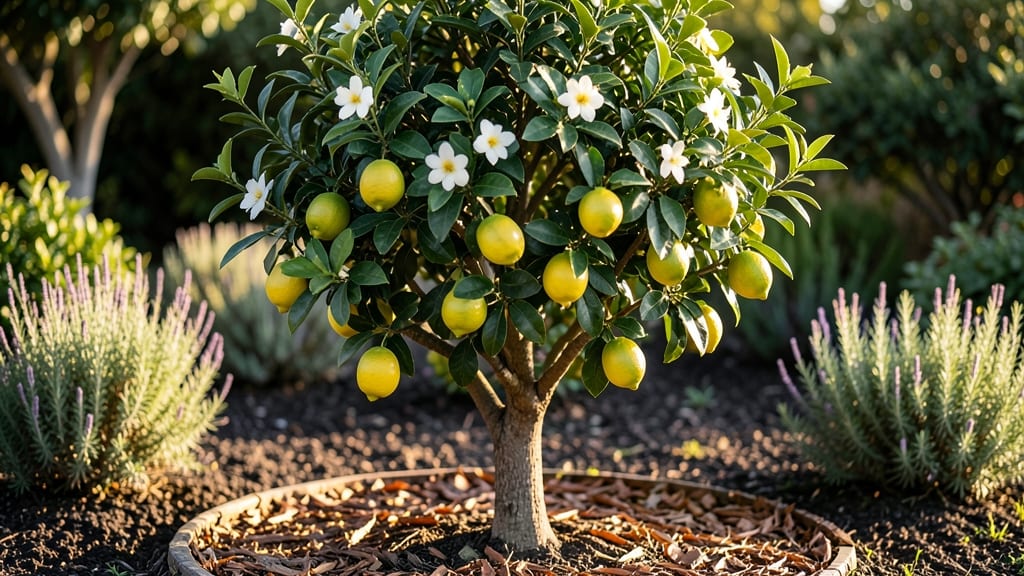
Growing a Meyer lemon tree in zones 9a through 10b is totally doable—even if you’re not in a classic citrus belt.
If you love the taste of Meyer lemons but live in a cooler climate, you’re in luck—these cold-hardy citrus trees can thrive in zones 9a through 10b with the right care. But where exactly can you grow them, and how do you maximize their survival in chilly winters?
Unlike their tropical cousins, Meyer lemon trees 🍋 can handle mild frosts if you take precautions like mulching, wrapping, or even moving them indoors. The key is understanding your microclimate—sunlight, wind, and soil drainage make all the difference.
In this guide, I’ll break down the best zones for Meyer lemons, share proven tricks for extending the growing season, and help you pick the cold-hardiest varieties. Whether you’re planting outdoors or in containers, you’ll learn how to keep your tree happy year-round.
Meyer lemon tree growing zones explained: where and how to plant
If you're dreaming of homegrown Meyer lemons, understanding USDA hardiness zones 9a-10b is your first step to success. These zones represent the sweet spot where Meyer lemon trees thrive outdoors year-round without extra fuss.
But what if you're in zone 8b or cooler? Don't worry—with smart planning, you can still grow this citrus beauty!
Meyer lemon trees are more cold-hardy than traditional lemons, tolerating brief dips to 20°F (-6°C) when mature. However, their roots and young trees need protection in marginal zones. The key lies in microclimates, soil prep, and seasonal adjustments that create ideal growing conditions even outside their native range.
| Zone | Cold Tolerance | Sunlight Needs | Soil Requirements | Winter Care |
|---|---|---|---|---|
| 9a (20-25°F) | Tolerates brief frost | 6+ hours full sun | Well-draining, pH 6.0-7.0 | Mulch heavily |
| 9b (25-30°F) | Cold-hardy outdoors | 6-8 hours full sun | Sandy loam preferred | Light frost cloth |
| 10a (30-35°F) | Thrives year-round | Full sun required | Rich organic matter | None needed |
| 10b (35-40°F) | Optimal conditions | 8+ hours full sun | Well-draining soil | None needed |
| 8b (15-20°F) | Container required | 6+ hours sun | Cactus/succulent mix | Indoor overwintering |
In zones 9a-10b, Meyer lemon trees perform best when planted in well-draining soil with a pH between 6.0 and 7.0. The key is replicating their native Mediterranean conditions—think sandy loam that mimics coastal soil.
Amend heavy clay soils with compost and perlite to improve drainage and prevent root rot, a common issue in cooler climates.
For gardeners in zone 8b, container growing becomes essential. Use large pots (15+ gallons) with drainage holes and a citrus-specific potting mix. Place your container near a south-facing wall during winter to capture reflected heat.
In extreme cold, move pots to an unheated garage or basement where temperatures stay above 40°F (4°C).
Sunlight is non-negotiable for Meyer lemons. In zones 9a-10b, they need 6-8 hours of direct sun daily. In cooler zones, maximize sunlight by planting near heat-reflective surfaces like brick walls or using grow lights during short winter days.
A south-facing window is ideal for indoor containers, but supplement with a grow light for 12-14 hours/day in winter.
Winter protection strategies vary by zone. In 9a-9b, apply a 4-6 inch mulch layer around the base to insulate roots. Wrap the trunk with burlap or frost cloth for added protection.
For zone 8b, consider a mini greenhouse setup or move containers indoors before temperatures drop below 40°F (4°C). Always harden off plants gradually when transitioning between indoor and outdoor environments.
Microclimates can extend your growing range by 2-3 zones. A sunny, sheltered spot near a building or against a south-facing slope can create ideal conditions in marginal zones. Windbreaks made of bamboo fencing or evergreen shrubs protect young trees from drying winds.
Even in zone 7b, you might successfully grow a Meyer lemon with these microclimate strategies and container gardening.
Soil preparation is half the battle. Before planting, amend your
Cold-hardy Meyer lemon tree varieties and winter care tips
Not all Meyer lemon trees handle winter equally well, but some cold-hardy varieties like the 'Improved Meyer' can survive brief dips to 20°F (-6°C). These varieties are bred to tolerate colder temperatures better than standard Meyer lemons, making them ideal for zones 9a-10b with proper care.
The key difference? Thicker leaves, more compact growth, and a slightly sweeter fruit profile that still delivers that signature Meyer lemon flavor.
If you're in zone 8b or cooler, your best bet is to grow these varieties in containers and bring them indoors during winter.
Even the hardiest Meyer lemons can't survive prolonged freezing temperatures, but with the right winter prep, you can extend their growing season and enjoy fresh lemons year-round.
Start by choosing a dwarf variety—they're easier to move and less likely to suffer from root damage when transitioning between indoor and outdoor spaces.
Survives 20°F (-6°C) with protection; sweeter fruit.
Dies below 28°F (-2°C); needs indoor overwintering.
Easier to move indoors; faster fruiting.
Indoor lighting often insufficient for optimal growth.
Flexibility to relocate; prevents soil-borne diseases.
Even cold-hardy varieties need mulching and wrapping.
To prepare your Meyer lemon tree for winter, start by mulching the base with 3-4 inches of organic mulch like straw or wood chips. This insulates the roots and protects them from freezing temperatures.
Next, wrap the trunk and branches with burlap or frost cloth, securing it tightly to prevent wind damage. For container-grown trees, move them to a garage or sunroom where temperatures stay above 40°F (4°C).
Watch for frost damage signs like brown, crispy leaves or blackened branches. If you see these, prune the affected areas immediately with sterilized shears to prevent disease. Even if your tree looks rough after winter, it often rebounds with new growth once temperatures warm up.
Just be patient—Meyer lemons are resilient once they establish their root system.
For indoor overwintering, place your tree near a south-facing window where it can get at least 6 hours of sunlight daily. If natural light is insufficient, supplement with a grow light for 12-14 hours a day.
Reduce watering to once every 2 weeks and avoid fertilizing until spring. Overwatering indoors is a common mistake that leads to root rot, so always check the soil moisture before watering.
As spring approaches, gradually acclimate your tree to outdoor conditions by moving it outside for a few hours each day, increasing the time incrementally. This process, called hardening off, helps prevent shock when you finally plant it back in the ground or return it to its container.
With the right variety and winter care, your Meyer lemon tree can thrive for years, even in cooler climates.