
How To
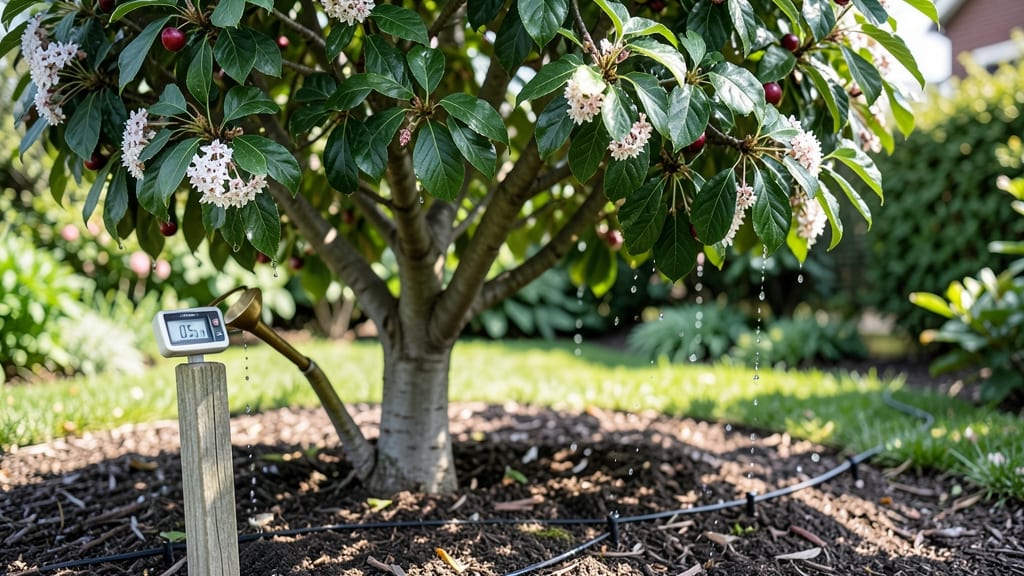
A cherry tree 🍒 needs about 15-20 gallons of water every 7-14 days to thrive, but that number changes with age, season, and soil type.
Struggling to keep yours alive? Most gardeners either drown their trees in soggy soil or leave them parched, both of which stunt growth or invite pests. The key is deep, infrequent watering that mimics natural rainfall—especially during spring planting and summer fruiting.
Young saplings in Zone 6a need more frequent soaking, while mature trees can handle longer dry spells. Below, I’ll break down the exact schedule for each season, plus how to spot when you’re over- or under-watering before it’s too late.
By the end, you’ll know exactly how much to water, when to adjust for drought or rain, and how to keep your tree healthy and productive for years to come.
Seasonal watering schedule for cherry trees: month-by-month requirements
Watering your cherry tree correctly is the key to healthy growth and abundant fruit production. Unlike many trees, cherries demand consistent moisture—especially during critical stages like flowering and fruiting. But how much water does a cherry tree need?
The answer changes with the seasons and the age of your tree. Let’s break it down so you can water like a pro and keep your tree thriving year-round.
Young cherry trees (1-3 years old) need frequent, deep watering to establish strong roots, while mature trees require less frequent but equally thorough hydration. The soil type also plays a role—sandy soil drains faster, while clay soil holds moisture longer.
Always aim for 1-2 inches of water per week, adjusting for rainfall and temperature. Let’s dive into the seasonal breakdown to ensure your cherry tree gets just the right amount.
🌱
Spring is all about root establishment. When you plant your cherry tree in early spring, water it deeply every 2-3 days for the first two weeks to encourage root growth into the soil.
For young trees, aim for 10-15 gallons per watering, while mature trees need 20-30 gallons. Focus on the root zone—6-12 inches deep—and avoid wetting the leaves to prevent fungal diseases like cherry leaf spot.
Mulching with 2-4 inches of organic mulch helps retain moisture and regulate soil temperature.
Summer is when your cherry tree’s water needs peak. With high temperatures and active growth, young trees may need watering every 3-5 days, while mature trees can handle weekly deep waterings. Always water in the early morning to reduce evaporation and fungal risks.
If your area experiences a drought, increase frequency to every 2-3 days and monitor soil moisture with a soil moisture meter. Signs of underwatering, like wilting leaves or crispy edges, mean it’s time to hydrate.
As summer transitions to autumn, your cherry tree shifts focus from growth to fruit ripening. Reduce watering to bi-weekly to allow the tree to harden off for winter. Overwatering now can lead to split fruit or fungal infections.
For young trees, stick to 10-15 gallons, while mature trees can handle 20-30 gallons. This is also the time to prune dead or diseased branches and remove fallen fruit to reduce pests and diseases.
Winter dormancy means your cherry tree’s water needs drop dramatically. Only water monthly if the ground isn’t frozen, using 5-15 gallons depending on the tree’s age. The goal is to keep the roots from drying out, not to saturate the soil.
Avoid watering if the ground is frozen, as it can damage roots. Instead, focus on mulching heavily (up to 6 inches) to insulate the soil and protect roots from freezing temperatures.
One of the biggest mistakes gardeners make is inconsistent watering. Cherry trees hate boom-and-bust cycles, where they go from soaked to dry overnight. To avoid stress, use a drip irrigation system or soaker hose for slow, steady watering that penetrates deeply.
If you’re unsure whether your tree needs water, check the soil 2-3 inches deep. If it’s dry, it’s time to water. For young trees, stick your finger in the soil—if it feels dry, hydrate immediately.
Pro tip: Mulch is your best friend when it comes to water efficiency. A 3-4 inch layer of wood chips or straw around the base of your tree (but not
Signs of overwatering and underwatering in cherry trees (and how to fix them)
Your cherry tree might look healthy on the surface, but subtle clues like yellowing leaves or mushy bark often signal watering problems. Overwatering and underwatering both stress trees, but the fixes differ drastically. Let’s decode these signs so you can rescue your tree before irreversible damage occurs.
First, check the soil moisture by sticking your finger 2-3 inches deep. If it feels damp, you may be overwatering. If it’s bone-dry, your tree is thirsty. Both extremes stunt growth and reduce fruit production. The key is finding that goldilocks zone—just enough moisture without waterlogging roots.
⚠️ callout-warning
💧 How Much Water Does a Cherry Tree Need?
Mature trees: 15-20 gallons per watering, every 7-14 days (deep soak). Young trees: 5-10 gallons weekly. Adjust for drought: Increase frequency by 50% during heatwaves. Mulch retains moisture—apply 3-inch layer of organic mulch around the base (but never touch the trunk).
Overwatered cherry trees show soggy soil and mushroom-like fungal growth at the base. Leaves may turn yellow or brown and feel limp, while roots appear gray and rotted when inspected.
To fix this, reduce watering immediately and improve drainage by amending soil with compost or perlite. Prune any affected branches to prevent spread.
Underwatered trees reveal crispy, curled leaves and dry, brittle branches. The soil pulls away from the pot (if potted) or feels rock-hard when dug. Revive your tree by giving it a deep watering—slowly pour 10-15 gallons of water until it drains from the bottom.
Repeat every 3-5 days until soil moisture stabilizes. For long-term relief, install a drip irrigation system.
Pay attention to leaf edges—brown, crispy tips often mean underwatering, while soft, mushy leaves signal overwatering. Both conditions weaken the tree’s immune system, making it vulnerable to pests like aphids or diseases such as brown rot. Regularly inspect your tree’s foliage and bark to catch issues early.
For container-grown cherry trees, empty drainage holes are non-negotiable. Without them, roots suffocate in stagnant water. If your pot lacks holes, repot immediately into a well-draining mix with sand or coconut coir. Always water containers until water runs freely from the bottom—this ensures roots get oxygen.
Remember, consistency is key. Cherry trees thrive on routine—whether it’s morning watering or mulching in summer. Adjust your schedule based on weather and soil type, and your tree will reward you with abundant, juicy cherries for years to come. 🍒