
Pruning
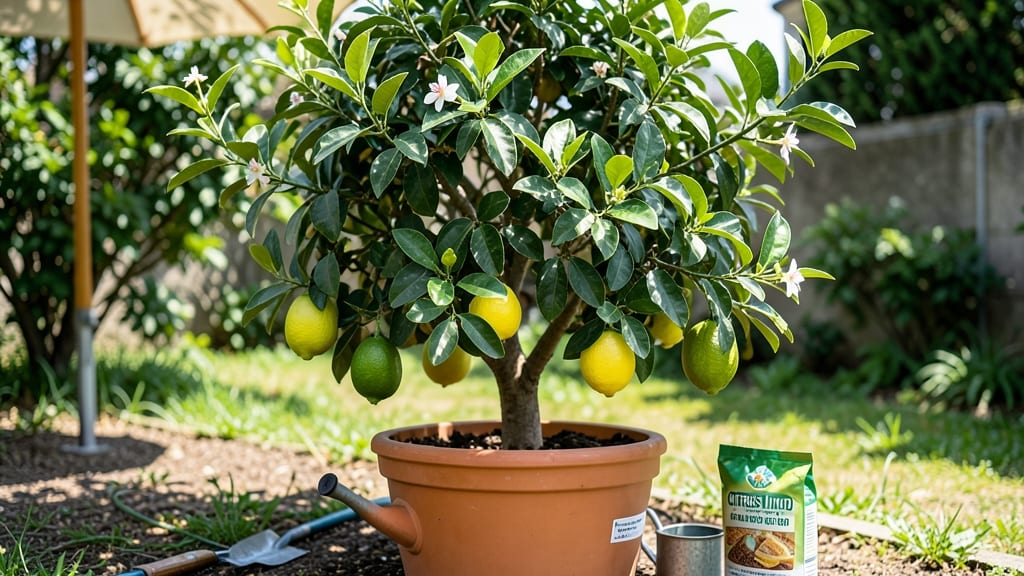
How to take care of a lemon tree in a pot means you can grow sunshine in your backyard—or even on your balcony—year-round. 🌿 The key is mimicking its Mediterranean roots: bright light, well-draining soil, and a watering schedule that keeps roots happy but never soggy. My Meyer lemon tree has produced fruit every winter since I cracked the container-care code, and it’s all about the details.
Start with a pot that’s at least 12 inches wide (bigger for mature trees) and drainage holes—no exceptions. Use a mix of 60% potting soil, 20% perlite, and 20% compost to keep roots aerated, and repot every 2-3 years when roots crowd the container.
Lemon trees love 6+ hours of direct sunlight daily, so south- or west-facing spots are ideal. If you’re indoors, a grow light saves the day during short winter days.
Water when the top 1-2 inches of soil feel dry, then let excess drain completely—overwatering is the #1 killer of potted citrus. Feed with a balanced citrus fertilizer every 4-6 weeks in growing season (spring-fall), and reduce to monthly in winter.
Prune leggy branches in early spring to encourage bushier growth, and watch those lemons form by summer!
Watch for yellow leaves (overwatering) or dropped blooms (low humidity)—both fix easily with adjustments. With the right care, your potted lemon tree will reward you with harvests for decades, proving that container gardening can be just as productive as in-ground growing.
Ready to turn your sunny spot into a citrus grove?
📚 In This Guide
- What you need
- Instructions
- Tips and common mistakes
- Wrapping up and next steps
What you need
- ● Pot: A container with drainage holes, at least 12–15 inches in diameter and depth (larger for mature trees). Opt for terracotta, ceramic, or high-quality plastic.
- ● Well-draining potting mix: A blend of 60% cactus/succulent mix + 30% perlite/pumice + 10% compost (avoid heavy garden soil).
- ● Lemon tree sapling: Choose a dwarf or Meyer lemon variety (hardier for pots). Nursery-grown seedlings work best!
- ● Fertilizer: A balanced citrus fertilizer (e.g., 6-6-6 or 8-3-9) or organic options like fish emulsion.
- ● Pruning shears: Sharp, sterilized bypass pruners (avoid dull tools to prevent damage).
- ● Support stake: A 3–4 ft bamboo or metal stake (for young trees to prevent toppling).
- ● Mulch: Pine bark or coconut coir to retain moisture and regulate temperature.
- ● Citrus food: Slow-release pellets for convenience (apply in spring).
- ● Humidity tray: A shallow tray with pebbles + water to boost humidity in dry climates.
- ● Grow lights: LED full-spectrum bulbs (if indoor lighting is dim).
- ● Pest control: Neem oil or insecticidal soap (preventative care!).
Step-by-step guide to caring for a potted lemon tree
Here's how I keep my citrus thriving year-round with minimal fuss—just follow these essentials.
☀️ Step 1: Position for Maximum Sunlight
Lemon trees demand 6-8 hours of direct sunlight daily—more if your climate is cloudy. Place your pot in the sunnest spot near a south- or west-facing window, or move it outside during warm months. I rotate my tree quarter-turn weekly so all sides get even light exposure. Without enough sun, leaves yellow and fruit never ripens properly.
If you're using grow lights, position them 6-12 inches above the tree and run them for 14-16 hours daily. You'll notice new growth slowing or leaves dropping if light is insufficient. During winter, supplement with artificial light if natural light drops below 8 hours.
💧 Step 2: Water Deeply but Infrequently
Let the top 2-3 inches of soil dry completely between waterings—this prevents root rot, which is the #1 killer of potted citrus. Stick your finger in the soil: if it feels dry at 1 inch deep, it's time to water. Pour enough to saturate the entire root ball until water runs freely from drainage holes. Lemon trees hate soggy soil but also suffer from drought stress.
I water mine every 5-7 days in summer and every 10-14 days in winter, adjusting based on pot size and humidity. Overwatering causes yellow leaves and root rot, while underwatering leads to curled, dry leaves. If the pot feels light when lifted, it's thirsty.
🪴 Step 3: Choose the Right Pot and Soil
Use a well-draining pot with drainage holes—terracotta is ideal because it breathes and prevents moisture buildup. If repotting, go up 2-3 inches in diameter only when roots circle the pot. Lemon trees need fast-draining citrus mix (not regular potting soil). I blend equal parts potting soil, perlite, and coarse sand for perfect drainage.
Fertilize monthly in spring/summer with a citrus-specific fertilizer (high in nitrogen early season, balanced NPK later). In fall/winter, reduce to every 6-8 weeks—this mimics their natural dormancy. You'll see new leaves and buds forming when fertilization is right.
✂️ Step 4: Prune for Shape and Health
Prune in late winter or early spring before new growth begins. Remove dead, crossing, or inward-growing branches first, then shape the tree by cutting just above a leaf node (where new growth emerges). Never cut more than 1/3 of the tree in one session. I prune mine to encourage an open vase shape that lets sunlight penetrate the center.
Thin out crowded branches to improve airflow—this prevents fungal diseases like citrus greening. You'll notice fewer leaves dropping and a stronger structure after proper pruning. Sterilize pruners with rubbing alcohol between cuts to prevent spreading disease.
⏰ Step 5: Protect from Pests and Temperature Shifts
Lemon trees hate temperature drops below 40°F—move pots indoors before frost. In summer, protect from heat above 90°F by providing afternoon shade. I keep mine on a heat-reflective surface (like a patio table) to prevent root stress. Watch for aphids, scale, or spider mites—wipe leaves with neem oil solution weekly as prevention.
If you see sticky residue on leaves, it's likely scale insects. Spray with insecticidal soap and isolate the tree for 48 hours. Yellowing leaves often signal overwatering or nutrient deficiency—check soil moisture and adjust fertilizer. With consistent care, your tree will reward you with lemon blossoms and fruit within 2-3 years.
Tips & tricks for perfect potted lemon tree care
Between us, these small adjustments make all the difference between a struggling plant and a thriving citrus tree that bears fruit year after year.
Light Exposure Secret: That 6-8 hours of sunlight isn't just about quantity—it's about quality. Position your tree where it gets morning sun and afternoon shade during summer months, especially in hot climates. I notice my tree's leaves develop a deeper green when it receives that perfect balance, and the fruit ripens more evenly. For indoor growers, rotate your tree quarter-turn weekly so all sides receive equal light exposure—this prevents lopsided growth that can happen when one side gets more sun than the other.
Soil Science: The fast-draining citrus mix I blend (equal parts potting soil, perlite, and coarse sand) isn't just about drainage—it's about aeration too. Compacted soil prevents oxygen from reaching roots, which leads to that dreaded root rot. I always tap the sides of the pot gently after watering to help settle the soil and create better air pockets. You'll know you're doing it right when water runs freely from drainage holes within about 30 seconds after watering.
Fertilizer Timing: The monthly spring/summer fertilization schedule works wonders, but timing matters just as much as frequency. I apply fertilizer right after watering in the morning—this gives the roots time to absorb nutrients before the heat of the day. In fall and winter, I reduce to every 6-8 weeks and use a fertilizer with lower nitrogen content to promote dormancy. This mimics the tree's natural cycle and prevents that rapid, weak growth that can make trees more susceptible to pests.
Pruning Precision: When pruning in late winter, I always make cuts just above a leaf node at a 45-degree angle. This encourages new growth in the right direction and prevents water from pooling on the cut. I also avoid cutting more than one-third of the tree at once—this prevents stress that could lead to disease. Sterilizing pruners between cuts is non-negotiable; I keep a small bottle of rubbing alcohol handy for this purpose. You'll notice the tree develops a much stronger structure and better air circulation after proper pruning.
Pro Tips for Take Care Of Lemon Tree In Pot
- Between us, these small adjustments make all the difference between a struggling plant and a thriving citrus tree that bears fruit year after year.
- Light Exposure Secret: That 6-8 hours of sunlight isn't just about quantity—it's about quality.
- Soil Science: The fast-draining citrus mix I blend (equal parts potting soil, perlite, and coarse sand) isn't just about drainage—it's about aeration too.
Frequently asked questions
How often should I repot my lemon tree in a container?
Repot your lemon tree every 2–3 years or when roots circle the pot’s bottom. Spring is the best time—choose a container just 2–3 inches wider than the current one. Over-potting can cause soggy soil, while too-small pots stunt growth. Use well-draining soil mixed with perlite or sand for optimal results.
Why are my lemon tree leaves turning yellow?
Yellow leaves usually signal overwatering, nutrient deficiency, or root rot. Check the soil—it should dry 2–3 inches deep between waterings. If roots smell foul or look mushy, trim the damaged ones and repot with fresh, dry soil. Fertilize monthly in spring/summer with citrus-specific food to boost health.
Will my potted lemon tree ever produce fruit?
Yes! With patience and care, potted lemon trees (like Meyer lemons) can bear fruit in 3–5 years. Ensure full sun (6+ hours daily), consistent watering, and occasional pruning to encourage airflow. Hand-pollinate flowers with a small brush if bees are scarce. Thin fruit clusters to 2–3 lemons per branch for larger, sweeter harvests.
How do I protect my potted lemon tree in winter?
Lemon trees thrive in 60–75°F temps. Move pots indoors near a sunny window (or use grow lights) when temps drop below 50°F. Reduce watering—soil stays moist longer indoors. Avoid drafts (like AC vents) and mist leaves occasionally to combat dry air. If outdoors, wrap the pot in burlap for insulation.
Can I grow a lemon tree from a store-bought lemon?
Technically yes, but it’s not reliable for fruit. Store-bought lemons are often hybrids or treated to prevent sprouting. For better success, buy a Meyer lemon tree from a nursery (they’re cold-hardy and prolific). If you try the seed method, expect 10+ years for fruit—and the lemons may not taste true to the parent.
Pro Tip:
Use a moisture meter to avoid over/under-watering—lemon trees hate soggy roots but also need consistent moisture. Aim for 60% humidity by grouping pots together or using a pebble tray with water (not touching the pot).
Wrapping up and next steps
Caring for a lemon tree in a pot is totally doable—just remember, these citrus queens thrive on sunshine, well-draining soil, and a little TLC. With the right balance of watering, pruning, and seasonal adjustments, you’ll be rewarded with fragrant blooms and juicy lemons year after year! 🌿✨
Ready to see your tree flourish? Start by giving it a cozy spot near a sunny window or balcony, then gradually introduce it to outdoor light as the weather warms. Watch it grow, and soon, you’ll be harvesting your own homegrown lemons—what’s not to love?