
Pests
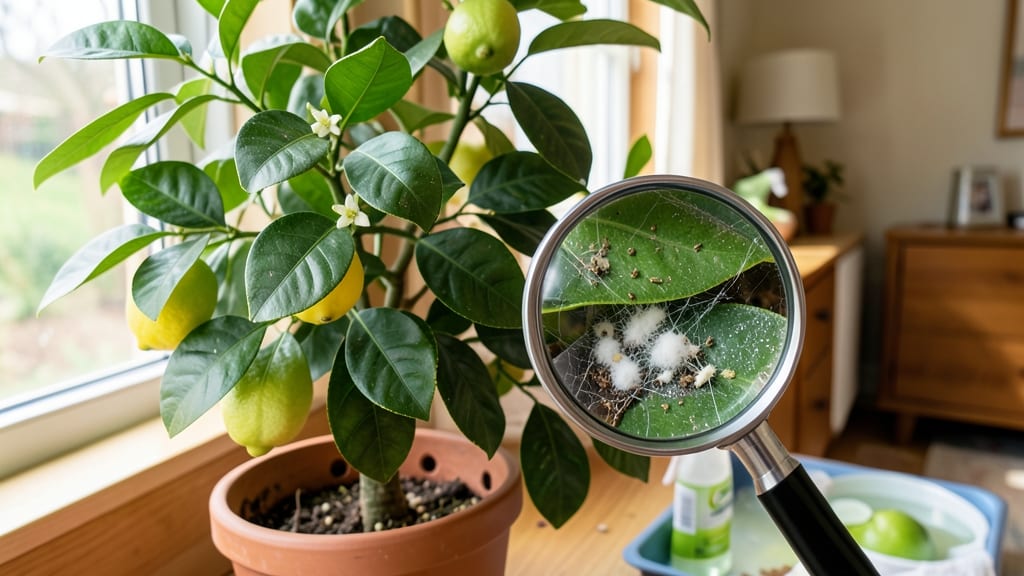
Indoor citrus trees can turn into pest magnets if you don’t act fast—those tiny invaders will strip your lemon tree bare in weeks. 🌿 I’ve battled spider mites, scale, and mealybugs on my Meyer lemon, and I’ll share the fast-acting remedies that saved it before the leaves yellowed completely.
The problem starts when dust builds up, humidity drops, or you bring in an infected cutting. These pests thrive in dry indoor air, and once they take hold, your tree’s energy goes into fighting them instead of producing fruit. The good news?
A single targeted spray can turn things around in days. You’ll learn to spot the early signs—sticky residue, white cottony tufts, or webbing—and use neem oil, insecticidal soap, or rubbing alcohol to knock them out without harsh chemicals.
My tree went from looking like a science experiment to thriving again in less than two weeks. This works for all citrus varieties, from dwarf Meyer lemons to full-sized oranges. Let’s get your tree back to healthy—and keep those pests from coming back.
Root Causes Of Citrus Tree Pests
Indoor citrus trees—like meyer lemon, calamondin, or orange varieties—are susceptible to pests due to a mix of environmental, biological, and human-related factors. Understanding these triggers helps you take proactive steps to protect your plant.
Below, we break down the key reasons pests invade your citrus tree and why they thrive indoors.
Citrus trees originate in warm, humid climates, but indoor environments often create the perfect conditions for pests—especially when humidity and temperature fluctuate. Here’s why:
- Low Humidity: Indoor heating (especially in winter) dries the air, weakening the tree’s natural defenses. Pests like spider mites and whiteflies thrive in dry conditions because the tree’s sap becomes easier to access.
- High Heat: Overheated rooms (above 85°F) stress citrus trees, making them more vulnerable to scale insects and mealybugs. These pests target stressed plants because their reduced chlorophyll production makes them less nutritious—but also more desperate for water, which pests exploit.
- Lack of Air Circulation: Stagnant air traps moisture near the leaves, creating a damp microclimate that attracts fungus gnats and aphids. Poor airflow also slows down the tree’s ability to recover from minor damage, giving pests a foothold.
💡 Pro Tip: Use a hygrometer to monitor humidity (ideal: 40-60%) and a small fan on low to improve air movement. Mist leaves lightly in the morning to simulate natural dew without promoting fungal growth.
Pests don’t just appear out of nowhere—they’re often drawn to cluttered or neglected growing spaces. Here’s how poor maintenance invites infestations:
- Soil Buildup: Old, compacted soil retains moisture and organic debris, which fungus gnats and root-knot nematodes feed on. Overwatering exacerbates this, turning soil into a pest buffet.
- Debris Accumulation: Dropped leaves, fallen fruit, or dust on the soil surface create hiding spots for mealybugs and scale. These pests lay eggs in protected areas, ensuring their survival even if you treat the visible infestation.
- Shared Containers or Tools: Reusing pots, soil, or pruning shears from infected plants can transfer pests like aphids or thrips to your citrus tree. Even well-meaning houseplant swaps can introduce stowaways.
🔥 Action Step: Repot your citrus tree every 1-2 years with fresh, sterile potting mix. Wipe down pots with a 10% vinegar solution before reuse, and avoid placing your tree near other plants showing signs of pests.
Just like humans, citrus trees get sick when their immune systems are compromised. Pests target stressed plants because they’re easier to colonize. Common stressors include:
- Nutrient Deficiencies: Lack of nitrogen, phosphorus, or potassium weakens cell walls, making it simpler for aphids to pierce leaves and sap. Yellowing leaves (a sign of nitrogen deficiency) are a red flag for pests.
- Overwatering or Underwatering:
- Overwatering: Soggy roots attract root rot and fungus gnats, while also diluting soil nutrients.
- Underwatering: Drought-stressed trees produce sticky honeydew (a sugary waste product) that lures ant colonies and sooty mold.
- Improper Pruning: Over-pruning removes protective foliage, exposing tender new growth to thrips and whiteflies. Always prune after flowering to avoid stressing the tree.
🌱 Solution: Feed your citrus tree with a balanced citrus fertilizer (e.g., 6-6-6 NPK ratio) every 4-6 weeks during growing seasons. Water only when the top 1-2 inches of soil are dry, and avoid wetting leaves to prevent fungal pests.
Many indoor citrus pests are not native to your home—they’re likely hitchhikers from infested plants, soil, or even grocery store produce. Here’s how they sneak in:
- New Plants: Bringing home a new citrus cutting or houseplant without quarantining it can introduce scale or mealybugs. These pests often go unnoticed until they spread.
- Outdoor Contaminants: Potting soil from outdoor sources (even "sterile" bags) can contain nematode eggs or weevil larvae. Always bake soil at 200°F for 30 minutes to sterilize it.
- Flying Pests: Whiteflies and fruit flies are drawn to citrus trees’ sweet scent. A single pregnant female can lay hundreds of eggs in a week, leading to explosive infestations.
- Infested Produce: Citrus fruits from stores (even organic ones) can carry aphids or thrips. Always inspect new plants or produce before bringing them indoors.
✨ Prevention Tip: Quarantine new plants for 2-4 weeks in a separate room with a fine mesh screen. Inspect leaves daily with a magnifying glass, and avoid placing citrus trees near open windows or doors.
Quick Fixes for Common Citrus Tree Pests
Indoor citrus trees bring fresh fragrance and vibrant greenery to your home—but pests can turn your leafy friend into a battleground. 🚨 The good news? Most issues have simple, natural solutions that work fast without harsh chemicals.
Below, we’ve mapped the most common culprits to easy fixes, plus prevention tips to keep your tree thriving.
These fluffy or shell-like pests sap nutrients from your tree, leaving sticky residue (honeydew) and yellowing leaves. Here’s how to evict them:
🔥 Step 1: Isolate & Inspect
- Move the tree away from other plants to prevent spreading.
- Check undersides of leaves, stems, and leaf axils (where leaves meet branches) for white cottony clusters (mealybugs) or brown bumps (scale).
🍳 Step 2: Manual Removal (Best for Small Infestations)
- Dip a cotton swab in 70% isopropyl alcohol or neem oil (see below).
- Gently wipe each pest—no need to scrub hard, just dislodge them.
- Drop pests in soapy water (1 tsp dish soap per gallon) to kill them.
👨🍳 Step 3: Natural Sprays (For Stubborn Pests)
Mix one of these DIY treatments and spray top and bottom of leaves (repeat every 5–7 days until gone):
- Neem Oil Spray:
- 1 tbsp neem oil + 1 tsp mild soap + 1 quart water
- Shake well and spray evenly (neem disrupts pests’ life cycles).
- Insecticidal Soap:
- 2 tbsp potassium-based soap (like Dr. Bronner’s) + 1 quart water
- Spray until leaves glisten, but avoid over-saturating soil.
- Horticultural Oil:
- Use pre-mixed oil spray (like Bonide) and apply when pests are active.
⏰ Step 4: Follow-Up Care
- Wipe leaves with a damp cloth to remove honeydew (prevents sooty mold).
- Prune heavily infested branches and dispose of them in a sealed bag.
💡 Prevention Tip: Quarantine new plants for 2 weeks before introducing them to your citrus tree. Mealybugs hitchhike easily!
Tiny but voracious, spider mites cause speckled yellow leaves and fine webbing. They thrive in dry, dusty conditions, so humidity is your first defense.
🔥 Step 1: Increase Humidity
- Mist leaves daily or place the tree on a pebble tray with water.
- Use a hygrometer to keep humidity above 50% (ideal: 60–70%).
🍳 Step 2: Knock Them Off with Water
- Blast mites away with a strong stream of water (shower attachment) 2–3 times a week.
- Focus on undersides of leaves where they hide.
👨🍳 Step 3: Soap or Oil Spray
- Insecticidal soap (as above) or horticultural oil works well.
- Avoid neem oil—it can attract mites in some cases (use only if mites return).
🔪 Step 4: Introduce Predators (Long-Term Fix)
- Ladybugs and predatory mites (like Phytoseiulus persimilis) eat spider mites naturally.
- Buy them online or at garden centers (release them in the evening).
💡 Prevention Tip: Dust leaves weekly with a damp microfiber cloth—mites hate clean surfaces!
These tiny white moths flutter when you disturb leaves and leave sticky residue. They’re tough but traps work fast.
🔥 Step 1: Sticky Traps
- Hang yellow sticky traps near the tree (whiteflies are attracted to yellow).
- Place traps above the canopy to catch adults before they lay eggs.
🍳 Step 2: Yellow Card Trick
- Cut a yellow index card and rub it with petroleum jelly.
- Hang it near the tree—whiteflies will stick to it.
👨🍳 Step 3: Soap Spray (Direct Hit)
- Mix 1 tsp castile soap + 1 quart water and spray directly on leaves (focus on undersides).
- Repeat every 3–4 days for 2 weeks.
⏰ Step 4: Beneficial Wasps (Eco-Friendly)
- Encarsia formosa (a parasitic wasp) lays eggs in whitefly pupae.
- Release them in the evening when they’re most active.
💡 Prevention Tip: Avoid over-fertilizing—whiteflies love soft, nutrient-rich leaves!
If your citrus tree has mushy stems, black spots, or wilting, fungi might be the culprit. Prevention is key—once established, fungi are hard to kill.
🌡️ Step 1: Stop Overwatering
- Let the top 1–2 inches of soil dry out between waterings.
- Check drainage: Ensure pots have holes and use a well-draining mix (cactus/succulent soil + perlite).
🔥 Step 2: Fungicide Spray (Natural Options)
- Baking Soda Spray:
- 1 tbsp baking soda + 1 tsp soap + 1 quart water
- Spray every 7–10 days (safe for leaves).
- Copper Fungicide:
- Use organic copper spray (like Bonide) for severe cases.
🎯 Step 3: Prune & Sterilize
- Cut off black/mushy stems with sterilized scissors (wipe with rubbing alcohol).
- Repot if root rot is suspected—trim mushy roots and use fresh, dry potting mix.
💡 Prevention Tip: Water in the morning so leaves dry quickly—fungi love damp, dark conditions!
Keep pests from crashing your citrus party with these proactive steps: ✅ Inspect new plants before bringing them indoors. ✅ Wipe leaves monthly with a damp cloth to remove dust (pests love hiding spots). ✅ Rotate your tree every few weeks for even sunlight (weak spots attract pests). ✅ Fertilize lightly—overfeeding stresses trees, making them pest magnets. ✅ Quarantine sick plants until they’re pest-free.
Final Thought: Most indoor citrus pests respond to consistency. Stick with treatments for 2–3 weeks, and your tree will bounce back—pest-free and lush! 🍋✨
Frequently asked questions
How do I know if my indoor citrus tree has pests before the damage is severe?
Check the undersides of leaves daily for tiny webs (spider mites), white cottony tufts (mealybugs), or brown bumps (scale). Look for sticky residue (honeydew) on leaves or near the pot—this means pests are feeding. Early signs include yellowing leaves or tiny flying insects when you disturb the foliage.
Can I use store-bought citrus sprays on my indoor tree?
Most commercial citrus sprays contain synthetic pesticides that can harm beneficial insects and leave residue on edible fruit. Instead, use neem oil or insecticidal soap (like Dr. Bronner’s). These are safer for indoor use and just as effective when applied correctly every 5-7 days.
Why do pests keep coming back even after treatment?
Pests often return because their eggs survive treatments or new ones hitchhike from nearby plants. To break the cycle: sterilize tools (wipe with rubbing alcohol), quarantine new plants for 2 weeks, and repeat treatments every 5-7 days for at least 3 weeks. Focus on hidden areas like leaf axils and stems.
Is it safe to use essential oils like peppermint or tea tree oil on citrus trees?
While peppermint and tea tree oils repel some pests, they can damage citrus leaves when used undiluted. For safe use: mix 3-5 drops of oil with 1 cup water + 1 tsp soap, then spray lightly on leaves. Test on one branch first—some citrus varieties are more sensitive than others.
How often should I inspect my indoor citrus tree for pests?
Inspect your tree weekly during growing seasons (spring-fall) and biweekly in winter. Pay special attention after bringing new plants home or moving the tree to a different location. Early detection is key—most pests can be eliminated before they cause major damage if caught within the first 2 weeks.