
Container Gardens
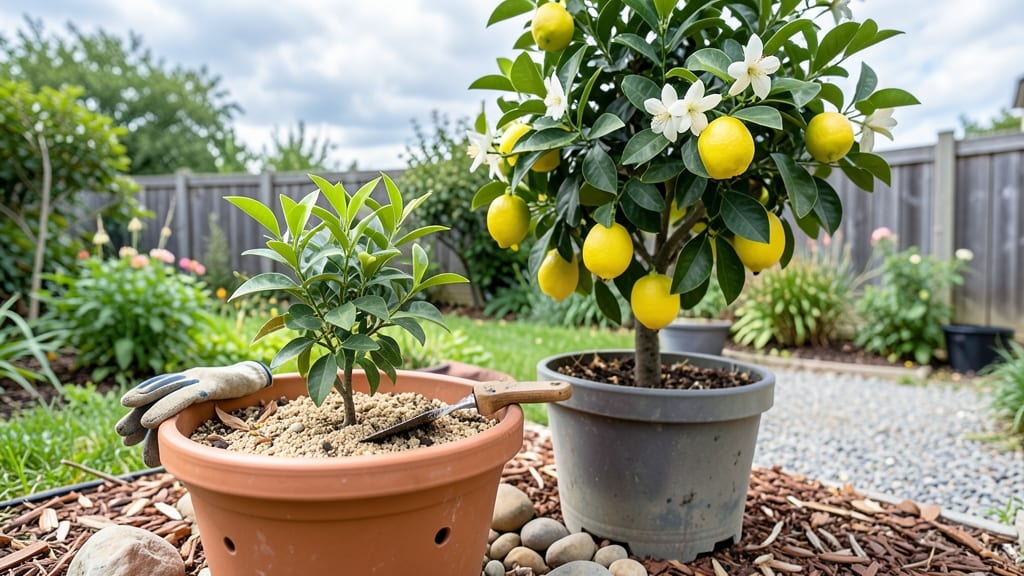
Planting a Meyer lemon tree in a container turns your patio into a sun-drenched citrus grove—no yard required. 🌿 I’ve grown these trees for years, and the secret isn’t just the right pot or soil, but understanding how they thrive in confined spaces.
Most beginners overwater or underestimate sunlight, but with the right setup, you’ll be harvesting sweet lemons within 2-3 years.
The key starts with a 15- to 20-gallon pot (drainage holes are non-negotiable) and a well-draining mix of potting soil, perlite, and compost. Place it where it gets 6-8 hours of sunlight daily, and keep the soil consistently moist but never soggy.
Overwatering is the #1 killer—let the top inch dry before watering again. A south-facing window or balcony works, but if you’re indoors, a grow light helps.
By summer, you’ll see glossy new leaves and tiny blossoms, and by year three, you could be picking bright yellow lemons that taste sweeter than store-bought. The tree stays compact (4-6 feet tall), making it perfect for decks, kitchens, or sunny porches.
Just watch for spider mites in dry air, and protect it from frost with a blanket or move it indoors when temps drop below 30°F.
This method works for any climate—just adjust sunlight and watering for shade or heat. The payoff? Fresh lemons for tea, baking, or garnishes, all grown in a space smaller than a coffee table. Let’s get that tree planted!
📚 In This Guide
- What you need
- Instructions
- Tips and common mistakes
- Wrapping up and next steps
What you need
- ● Container: A 5-gallon or larger pot with drainage holes (minimum 12–18 inches in diameter for mature trees). Terracotta or fabric pots work best.
- ● Well-draining potting mix: A blend of cactus/succulent mix (60%) + perlite/pumice (30%) + compost (10%) (avoid heavy garden soil!).
- ● Meyer lemon tree: A bare-root sapling or 1–3 gallon container-grown plant from a nursery (ensure it’s disease-free!).
- ● Gravel or pebbles: 1–2 inches for the pot’s drainage layer.
- ● Slow-release citrus fertilizer: Look for one with balanced NPK (e.g., 6-6-6) + micronutrients (like Citrus-Tone).
- ● Watering can with a narrow spout: For deep, targeted watering (avoid overhead sprinklers).
- ● Pruning shears: Sterilized for shaping and removing dead growth.
- ● Self-watering pot: Reduces maintenance for busy gardeners!
- ● Citrus food spray: Organic foliar feed for extra nutrients (e.g., fish emulsion).
- ● Support stake or trellis: If growing indoors near windows (helps with wind/weight).
- ● Mulch (e.g., bark chips): Retains moisture and regulates soil temp.
- ● pH test kit: Ensures soil stays in the 6.0–7.0 range (lemon trees love slightly acidic soil!).
Step-by-step instructions for planting a Meyer lemon tree in a container
Here's how to grow a thriving Meyer lemon tree in a pot—no yard needed!
🪴 Step 1: Choose the Right Container and Drainage
Start with a 5-gallon container (minimum) that has multiple drainage holes—Meyer lemons hate soggy roots. I like unglazed terra cotta because it breathes, but any durable pot works. If your container lacks drainage, drill 2-3 additional holes near the bottom to prevent root rot.
Place a 3-inch layer of gravel or broken pottery in the bottom before adding soil. This creates an air pocket that keeps roots dry while allowing excess water to escape. Skip this step, and you’ll risk fungus gnats or rotting roots within weeks.
🌱 Step 2: Use Well-Draining Citrus Soil Mix
Fill the pot ¾ full with a premium citrus potting mix—never garden soil. I blend mine with 20% perlite or coarse sand to improve drainage. The mix should feel light and fluffy, like a damp sponge, not compacted.
Add 1 tablespoon of slow-release citrus fertilizer (like Osmocote) to the soil mix. This gives your tree a 3-month nutrient boost without risk of over-fertilizing. Mix it in gently so it’s evenly distributed—you’ll see tiny granules throughout the soil.
☀️ Step 3: Plant and Position for Maximum Sunlight
Remove the Meyer lemon from its nursery pot and loosen the roots if they’re circling. Place it in the center of your container, then fill around the base with soil, pressing lightly to eliminate air pockets. The top of the root ball should sit 1 inch below the pot’s rim—this prevents soil from spilling out when watering.
Set your pot in a south-facing window or under grow lights for 6-8 hours of direct light daily. Meyer lemons need full sun to produce fruit. If leaves start yellowing between veins, it’s a sign of chlorosis—move the plant closer to the light immediately.
💧 Step 4: Water and Maintain Ideal Conditions
Water deeply until water drains from the bottom, then empty the saucer after 10 minutes. Meyer lemons prefer consistently moist but never soggy soil. Stick your finger 1 inch deep—if it feels dry, water again. Overwatering is the #1 killer of container citrus.
Keep your tree in 65-75°F temperatures and humidity above 50% (a pebble tray with water helps). If your home is dry, mist the leaves 2-3 times weekly—you’ll notice new growth within 4-6 weeks if conditions are right.
✂️ Step 5: Prune and Fertilize for Long-Term Growth
Prune in late winter to remove dead or crossing branches, cutting just above a leaf node. This encourages bushier growth and better airflow. Avoid heavy pruning—Meyer lemons fruit on new wood, so keep at least half the branches intact.
Fertilize every 4-6 weeks during spring and summer with a citrus-specific liquid fertilizer. Reduce feeding in fall and winter—too much nitrogen then causes leafy growth at the expense of fruit. You’ll see tiny white flowers by spring if care is on track!
Tips & tricks for thriving container-grown Meyer lemon trees
Here's what nobody tells you about keeping your Meyer lemon tree happy in a pot—these details make all the difference between a struggling plant and a fruit-bearing beauty.
Container Size Matters: That 5-gallon minimum isn't just a suggestion—it's a survival requirement. Meyer lemons grow aggressively in containers, and their roots will quickly outgrow anything smaller. If you're tempted to start with a 3-gallon pot, resist! You'll be repotting within a year, and root disturbance stresses these sensitive trees. I've seen people start with 7-gallon pots and never need to upgrade for 3-4 years.
The Gravel Layer Secret: That 3-inch gravel layer in Step 1 isn't just for drainage—it's your first line of defense against root rot. Use clean, coarse gravel or broken terracotta pieces (I save leftover shards from broken pots). The air pocket it creates prevents water from sitting directly against the roots. Pro tip: If you're using a decorative pot without drainage, add an extra 2 inches of gravel to compensate for the lack of holes.
Light Check Every Morning: Meyer lemons are dramatic about light—if they're not getting their full 6-8 hours of direct sun, you'll notice immediately. Here's my trick: Every morning, hold your hand about 6 inches from the leaves. If you can't feel warmth, move the plant closer to the light source. In winter, supplement with a grow light for 4 hours daily if natural light drops below 5 hours. Yellowing leaves between the veins? That's chlorosis talking—act fast before the damage becomes permanent.
Fertilizer Timing is Critical: The 4-6 week feeding schedule in spring/summer is non-negotiable, but here's what I do differently: I always fertilize right after watering. This prevents root burn from concentrated fertilizer near dry soil. And during the first 3 months after planting, I cut the fertilizer in half—new roots are sensitive, and too much nitrogen will give you lush leaves but no fruit. Think of it as a "baby food" period for your tree.
Pro Tips for Plant Meyer Lemon Tree In Container
- Here's what nobody tells you about keeping your Meyer lemon tree happy in a pot—these details make all the difference between a struggling plant and a fruit-bearing beauty.
- Container Size Matters: That 5-gallon minimum isn't just a suggestion—it's a survival requirement.
- The Gravel Layer Secret: That 3-inch gravel layer in Step 1 isn't just for drainage—it's your first line of defense against root rot.
Frequently asked questions
What’s the best temperature range for a container-grown Meyer lemon tree?
A Meyer lemon tree thrives in 65–85°F (18–30°C) during the day and 50–60°F (10–15°C) at night. Protect it from frost (<32°F/0°C) by moving it indoors or covering it with frost cloth. If temperatures drop below freezing, the tree will likely die—so plan ahead for winter care!
How often should I water my container-grown Meyer lemon tree?
Water when the top 1–2 inches of soil feel dry (stick your finger in to check!). Containers dry out faster than ground soil, so water deeply 2–3 times a week in summer and reduce to once a week in winter. Overwatering causes root rot—always ensure pots have drainage holes!
Why isn’t my Meyer lemon tree producing fruit?
Lemon trees need full sun (6+ hours/day), proper nutrients, and patience—they often take 2–3 years to bear fruit. Check for these issues:
- Sunlight: Move it to a sunnier spot if indoors.
- Fertilizer: Use a citrus-specific fertilizer every 4–6 weeks in spring/summer.
- Pollination: Gently shake branches or use a small brush to help flowers pollinate.
- Size: If the tree is too young or root-bound, it may not fruit yet.
Can I grow a Meyer lemon tree in a small pot, or do I need a large container?
Start with a 5-gallon pot (18–24 inches deep) for young trees, but upgrade to 10+ gallons as the tree matures (aim for 1 gallon of soil per foot of tree height). Small pots restrict root growth, leading to stunted trees or poor fruit production. Use lightweight, well-draining soil mixes for best results!
What pests should I watch for, and how do I treat them?
Common pests include:
- Aphids: Spray with water or use neem oil.
- Spider mites: Wipe leaves with soapy water or apply insecticidal soap.
- Scale insects: Scrape off gently or use horticultural oil.
- Whiteflies: Trap with yellow sticky cards or use insecticidal soap.
Inspect leaves weekly and act fast—early treatment prevents infestations!
Wrapping up and next steps
Growing a Meyer lemon tree in a container is a rewarding journey that brings fresh, sweet citrus right to your doorstep—no backyard required! 🌱 With the right pot, soil, sunlight, and care, your tree can thrive and even bear fruit in just a few years.
Remember, patience and consistency are key, so enjoy the process and celebrate small victories along the way.
Now that you’re armed with the know-how, take the next step: grab your supplies, pick a sunny spot, and get planting! Whether you’re a beginner or a seasoned gardener, your container-grown Meyer lemon tree will be a vibrant (and delicious) addition to your space. Happy growing! 🍋✨