
Companion Plants
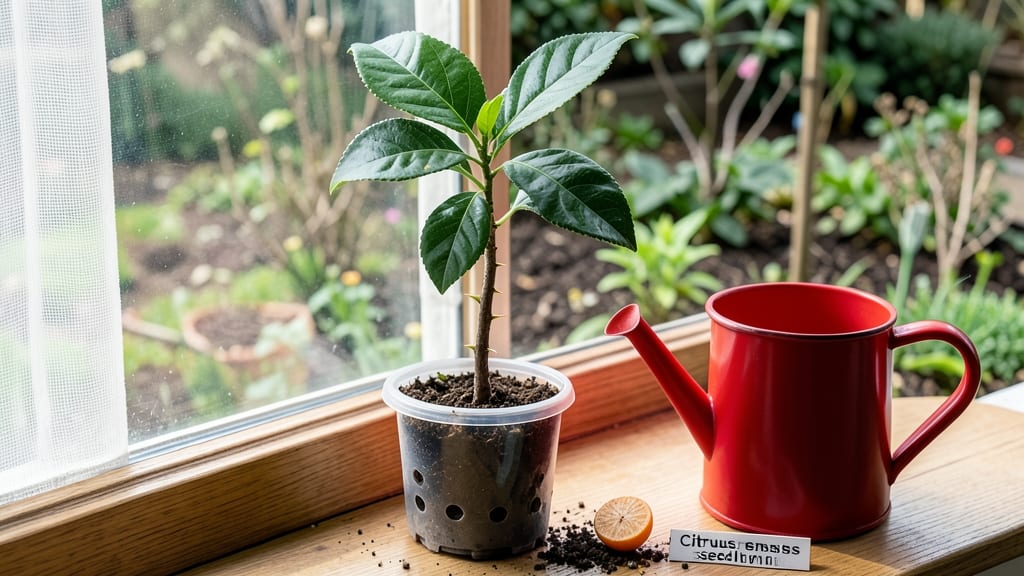
You can grow an orange tree from an orange seed, but the resulting plant will likely produce bitter, inedible fruit and take 5-10 years to bloom. Start by drying the seed, planting it in moist potting mix, and maintaining warm, humid conditions until germination (2-4 weeks).
Citrus seeds like those from oranges carry genetic traits that prioritize survival over fruit quality, which is why commercially grown trees are grafted rather than seed-started. 🌱 The germination process requires consistent warmth between 70-85°F and careful moisture control—too much water can drown the seed, while too little halts growth.
I've found that using a heat mat under seed trays speeds up germination by mimicking tropical conditions, though it's a patience game with potential setbacks like mold if humidity isn't balanced.
Once sprouted, these seedlings need full sun exposure (6+ hours daily) and well-draining soil to prevent root rot. Most growers face the challenge of aphids or scale insects attacking young leaves, so I recommend treating with neem oil at the first sign of pests.
The real magic happens in the first year when you'll see the tree develop its signature glossy leaves—though don't expect fruit for at least five years, if ever.
💡 In This Article
- Orange Seed Germination Science and Factors Affecting Success
- Step-by-Step Guide to Planting and Caring for Citrus Seedlings
Orange seed germination science and factors affecting success
Citrus seeds like those from oranges contain a hard outer shell that protects the embryo but requires specific conditions to break dormancy. The seed's natural strategy prioritizes survival over fruit quality—this is why seed-grown trees often produce bitter, seedy fruit rather than the sweet oranges you'd expect.
The biological process begins when the seed absorbs moisture, triggering enzymes that break down stored nutrients in the endosperm (the seed's food supply). This process works best at temperatures between 70-85°F, mimicking tropical climates where citrus trees thrive naturally.
The moisture balance is critical: too little water prevents germination, while excess moisture creates anaerobic conditions that lead to mold or rot. I’ve found that maintaining 60-70% humidity around the seed tray—using a plastic dome or damp paper towel—creates the ideal environment.
The seed needs consistent warmth because citrus seeds are sensitive to temperature fluctuations; dropping below 60°F can stall germination entirely. This explains why indoor growers often use heat mats or place trays on top of refrigerators to maintain steady warmth.
Commercial citrus growers avoid seed propagation because it produces trees with inconsistent fruit quality. Through grafting, they can ensure the tree bears the exact variety you want—sweet, juicy Valencia oranges rather than the tart, seedy fruit from seed.
The science behind this is simple: seeds carry genetic diversity, while grafts preserve the parent plant’s traits. For home gardeners, this means your seedling might grow into a beautiful tree but could take 10+ years to produce any fruit at all, and even then, it may not be edible.
Light exposure plays a subtle but important role during germination. While seeds don’t need light to sprout, once the radical (primary root) emerges, the seedling benefits from bright, indirect light to prevent leggy growth. This is where many beginners make mistakes—keeping trays in dark closets or under weak artificial light.
The ideal setup is a south-facing windowsill or a grow light placed 6 inches above the seedlings. Too little light causes weak stems that can’t support the tree’s eventual weight.
One often-overlooked factor is the seed’s age. Fresh seeds from store-bought oranges germinate at rates up to 80%, while older seeds (over 3 months) may drop to 30-50% success. This happens because the embryo’s viability decreases over time.
To maximize your chances, use seeds from recently purchased fruit—those with plump, firm flesh rather than shriveled or mealy centers. The seed’s size also matters: larger seeds tend to have more stored energy, giving the seedling a better head start.
Finally, soil composition affects germination speed. Citrus seeds prefer loose, well-draining mixes that prevent waterlogging. A blend of 50% peat moss, 30% perlite, and 20% vermiculite works well, as it mimics the airy, mineral-rich soils of citrus-growing regions.
Avoid garden soil or compost-heavy mixes, which can compact and suffocate the emerging root. The key is creating an environment where the seed can "breathe" while staying hydrated—this balance is what turns a simple seed into a potential tree.