
How To
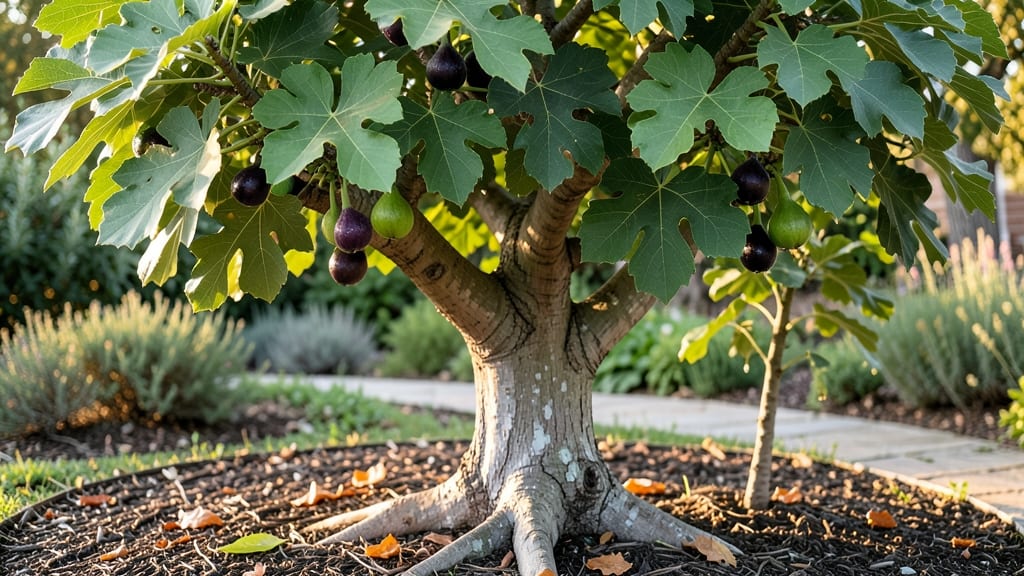
A fig tree can grow up to 30 feet tall—or stay compact at just 6 feet—depending on the variety and care you give it. Imagine that towering beauty in your backyard, its branches heavy with sweet fruit, yet perfectly manageable with the right approach.
If you’ve ever wondered whether a fig tree will outgrow your space, the answer lies in choosing the right type and training it early.
Some varieties, like the ‘Little Miss Figgy’, stay small enough for containers, while others, such as the ‘Desert King’, reach heights that rival a two-story house. The key is understanding how climate, pruning, and soil play into its growth.
In this guide, I’ll break down the height ranges of popular fig varieties, how your local climate affects growth, and simple pruning techniques to keep your tree at your ideal height. Whether you’re dreaming of a shade tree or a patio-friendly fruit producer, we’ve got you covered.
Ready to grow a fig tree that fits your space? Let’s explore the factors that shape its size—and how to control them for a thriving, fruit-filled tree.


Fig tree height by variety: from dwarf to giant varieties explained
Fig trees are one of nature's most versatile plants, offering everything from patio-sized dwarfs to towering giants that dominate landscapes. The height of your fig tree depends entirely on its variety, with some staying compact enough for containers while others grow tall enough to shade an entire yard.
Choosing the right variety for your space is key to enjoying both fruit and aesthetics.
If you're dreaming of a low-maintenance patio tree, varieties like 'Little Miss Figgy' or 'Celeste' stay under 8 feet tall, making them perfect for small gardens or even large containers.
On the other hand, traditional favorites like 'Brown Turkey' or 'Desert King' can reach heights of 30-50 feet when left unpruned, creating a stunning focal point in larger properties.
🌳 Fig Tree Varieties by Mature Height
| Variety | Mature Height (ft) | Growth Habit | Best For |
|---|---|---|---|
| Little Miss Figgy | 6-8 ft | Compact, bushy | Containers, patios |
| Celeste | 8-10 ft | Upright, spreading | Small gardens, urban yards |
| Violette de Bordeaux | 10-15 ft | Medium, spreading | Medium-sized yards |
| Brown Turkey | 20-30 ft | Tall, upright | Large backyards, shade trees |
| Desert King | 30-50 ft | Massive, spreading | Rural properties, large landscapes |
| Chicago Hardy | 12-18 ft | Cold-hardy, bushy | Northern climates, small spaces |
For urban gardeners with limited space, 'Little Miss Figgy' is my top recommendation. This variety thrives in large containers and produces sweet fruit without taking over your balcony. Its 6-8 foot height makes it ideal for small patios where you still want shade and fresh figs within arm's reach.
If you're in a rural setting with plenty of space, 'Desert King' is a showstopper. This variety can grow 50 feet tall and wide, creating a natural shade canopy for outdoor living areas. Just be prepared for its massive size—this isn't a tree for city lots or small backyards.
Cold climates require special attention when selecting fig varieties. 'Chicago Hardy' is a game-changer for USDA Zone 5 and colder, reaching 12-18 feet while tolerating winter temperatures down to -15°F. Its compact size and cold resistance make it perfect for northern gardeners who still want to grow figs.
One common misconception is that all fig trees grow into tall, unmanageable giants. In reality, many varieties stay under 10 feet when properly pruned. For example, 'Celeste' typically reaches 8-10 feet but can be kept smaller with regular summer pruning.
This makes it versatile for both ground planting and container growing.
The growth rate of fig trees varies by variety, but most establish quickly. Dwarf varieties like 'Little Miss Figgy' may reach their mature height in 3-5 years, while larger types like 'Brown Turkey' can take 10+ years to reach their full potential.
Patience is key—fig trees reward long-term gardeners with decades of fruit production.
When planning your fig tree's location, consider both its mature height and spread
Climate zones and growth factors: how location affects fig tree height
Your fig tree's height isn't just about genetics—it's a dance between USDA hardiness zones, sunlight exposure, and local growing conditions.
In Zone 8-10, tropical varieties like 'Celeste' can reach 30-50 feet with ideal conditions, while cold-hardy 'Chicago Hardy' maxes out at 15-20 feet in Zone 5. The same variety planted in a sun-drenched rural yard will dwarf one struggling in a shaded urban courtyard.
Soil quality plays a surprising role too. Fig trees thrive in well-draining, slightly alkaline soil (pH 6.0-7.0), but compacted urban soils or heavy clay can stunt growth by 30-40%.
Even water access matters—drip irrigation in dry climates can push a 'Desert King' to 50 feet, while inconsistent watering in Zone 7 might keep it under 15 feet. Let's break down how to optimize height based on where you live.
-
🌡️ Zone 5-6:
Cold-hardy varieties like 'Chicago Hardy' max 15-20 ft due to winter dormancy. Prune aggressively in late winter to protect branches.
-
☀️ Zone 7-8:
Moderate climates allow 'Brown Turkey' to reach 20-30 ft. Full sun exposure (6+ hours) is critical for vertical growth.
-
🏙️ Urban Spaces:
Container-grown 'Little Miss Figgy' stays 6-8 ft. Use espalier training to fit trees under 10 ft ceilings.
-
💧 Water Access:
Drip irrigation increases height by 20-30% in dry climates. Mulch deeply to retain moisture for root expansion.
-
🌱 Soil pH:
Acidic soils (pH <5.5) stunt growth. Amend with lime to reach ideal pH 6.0-7.0 for maximum height potential.
Rural gardens often see fig trees hit their genetic height potential because of unrestricted space and natural soil conditions.
For example, a 'Desert King' in Arizona's Zone 9 can easily top 50 feet with proper care, while the same variety in a container on a city balcony might only reach 12-15 feet. The key difference? Root space and consistent growing conditions.
For urban gardeners, microclimates become your best friend. A south-facing wall can create a Zone 1-2 warmer spot than your official USDA zone, allowing you to grow taller varieties.
I’ve seen 'Violette de Bordeaux' reach 18 feet against a sunny brick wall in Zone 6, where it would normally stay under 12 feet in open ground.
Even container size matters—a 24-inch pot limits roots and keeps 'Celeste' under 15 feet, while a 55-gallon barrel might push it to 20 feet.
Don’t overlook pruning timing—pruning in late winter (before new growth) encourages vertical growth, while summer pruning can reduce height by 20-30%. In Zone 10, I prune my 'Black Mission' annually to maintain 15 feet for easier harvesting, even though it could reach 30 feet without intervention.
The right pruning strategy turns a wild, unruly giant into a manageable shade tree.
Remember: fig trees are opportunistic growers. Give them ideal conditions, and they’ll reach their full height potential—whether that’s a 6-foot patio tree or a 50-foot landscape centerpiece. The choice is yours, but the location dictates the possibilities. 🌳