
How To
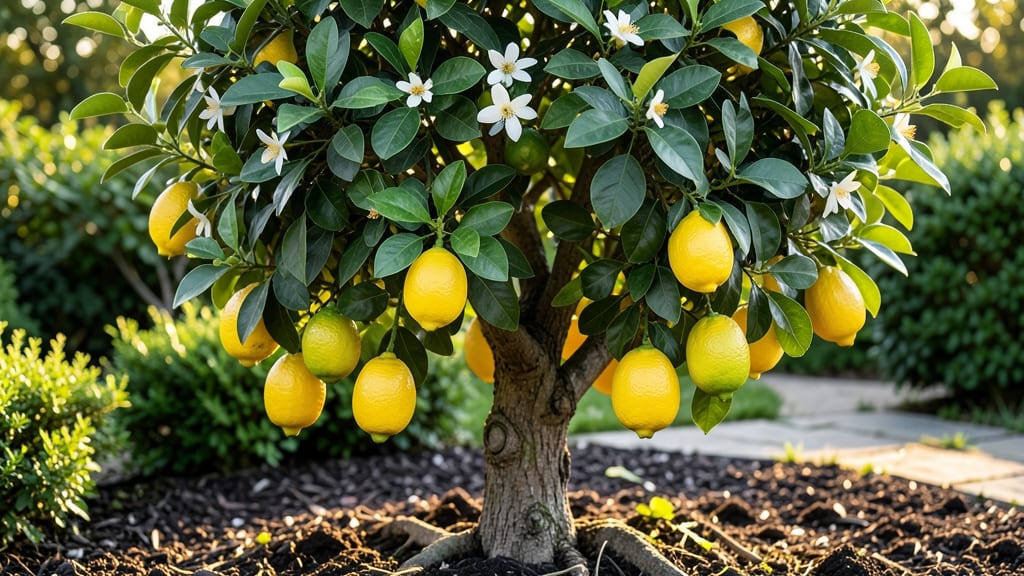
A lemon tree can grow how tall does a lemon tree grow anywhere from 8 feet to towering 25 feet, depending on its variety and care—so your backyard or patio could end up hosting either a manageable shrub or a small tree.
Picture this: your Meyer lemon tree in a pot stays compact, while an unpruned Eureka in the ground stretches toward your roof. The difference isn’t just about space—it’s about sunlight, pruning, and even your local climate.
If you’re working with limited room, dwarf varieties like ‘Improved Meyer’ max out at 8-12 feet, making them perfect for containers. Meanwhile, standard types can reach 20-30 feet if left unchecked, which is why pruning becomes the game-changer for most gardeners.
Below, I’ll break down the height ranges for popular varieties, how to control growth naturally, and whether your space can handle a full-size citrus giant—or if a smaller version will suit you better.


Standard lemon tree heights: how big can they really get?
If you're dreaming of fresh lemons straight from your backyard, you might be wondering just how tall your lemon tree could grow. Standard varieties like the Eureka lemon and Lisbon lemon can reach impressive heights—often 15 to 25 feet—if left unchecked.
That’s taller than a two-story house or a basketball hoop! Their growth rate is also impressive, with some trees adding 2 to 4 feet per year during their prime.
But don’t let those towering stats scare you off. With the right pruning techniques and care, you can manage their height to fit your space.
For example, a Meyer lemon tree, another popular variety, typically grows between 8 to 12 feet at maturity, making it a great option for medium-sized yards. Understanding these differences helps you plan your garden layout and avoid surprises down the road.
| Variety | Mature Height (ft) | Growth Rate (ft/year) | Height Comparison |
|---|---|---|---|
| Eureka Lemon | 15-25 | 2-4 | Taller than a basketball hoop |
| Lisbon Lemon | 12-20 | 1.5-3 | Taller than a garage door |
| Meyer Lemon | 8-12 | 1-2 | Taller than a refrigerator |
| Villafranca Lemon | 10-15 | 1.5-2.5 | Taller than a door frame |
The height of your lemon tree isn’t just about the variety, though. Climate conditions play a huge role. In warmer regions like USDA Zones 9-11, lemon trees thrive and grow faster, reaching their full height more quickly.
Meanwhile, in cooler climates, they may grow more slowly, staying shorter unless you provide extra care like winter protection or container growing.
Another critical factor is sunlight exposure. Lemon trees love full sun (6+ hours daily), which fuels their growth. If you’re growing yours in a spot with partial shade, expect a slower growth rate and potentially shorter mature height.
For example, a Lisbon lemon tree in full sun might hit 20 feet, but in partial shade, it could max out at 12 feet. Always plant in the sunniest spot possible!
Soil quality also impacts height. Lemon trees prefer well-draining, slightly acidic soil (pH 6.0-7.0). Poor soil can stunt growth, while rich, organic soil helps them reach their full potential.
If your yard has heavy clay soil, consider amending it with compost or planting in a raised bed to improve drainage and nutrient availability.
Pruning is your best tool for controlling height. Regular structural pruning in late winter or early spring can keep your tree manageable.
For example, cutting back 1/3 of the new growth each year can limit the height of a Meyer lemon tree to around 6-8 feet, making it perfect for patios or small gardens. Always use clean, sharp pruning shears to avoid disease.
Even with pruning, some varieties will naturally grow taller. If space is limited, consider dwarf rootstock varieties like the Improved Meyer lemon, which stays between 6-10 feet tall.
These are grafted onto dwarfing rootstock, making them ideal for containers or small yards. Just remember, even dwarf varieties need proper care to stay healthy and productive.
Finally, don’t forget that container-grown lemon trees will always be smaller than those planted in the ground. A standard lemon tree in a 15-gallon pot might reach 8-10 feet tall, while the same variety in the ground could hit 20 feet.
If you’re growing in containers, choose a variety like the Femminello St. Teresa, which stays compact and thrives in pots with regular care.
With the right variety, care, and a little pruning, you can enjoy fresh lemons without sacrificing your backyard space. Whether you’re aiming for a towering tree or a compact container plant, understanding these height guidelines will help you plan your lemon tree garden like a pro! 🌱
Dwarf lemon trees: compact varieties for small spaces and containers
If you dream of fresh lemons but lack yard space, dwarf lemon trees are your perfect solution. These space-saving varieties thrive in containers or small gardens, reaching just 6-12 feet tall with proper care.
Unlike their towering standard counterparts, dwarf types like 'Improved Meyer' or 'Femminello St. Teresa' produce abundant fruit while staying manageable—ideal for patios, balconies, or even sunny windowsills.
One of my favorite compact options is the 'Improved Meyer', which matures at 8-10 feet and tolerates cooler climates better than standard lemons. For even smaller spaces, 'Femminello St. Teresa' stays under 6 feet and produces sweet, aromatic fruit perfect for culinary use.
Both varieties benefit from container growing, making them accessible even for renters or urban gardeners.
Container requirements are simple: use a 15-25 gallon pot with drainage holes and a well-draining citrus mix. Place your container where it gets 6+ hours of sunlight daily—a south-facing patio or balcony works best. Remember to rotate the pot occasionally so all sides receive even light, preventing lopsided growth.
To maintain their compact size, I recommend pruning in late winter before new growth begins. Remove any suckers or crossing branches and trim back overgrown limbs by 1/3 of their length to encourage bushier growth.
Avoid heavy pruning in summer, as this can stress the tree and reduce fruit production.
| Variety | Mature Height | Best For | Container Size |
|---|---|---|---|
| Improved Meyer | 8-10 ft | Cold tolerance, patios | 15-20 gallon |
| Femminello St. Teresa | 6-8 ft | Small spaces, balconies | 10-15 gallon |
| Ponderosa Lemon | 10-12 ft | Large fruit, containers | 20-25 gallon |
| Meyer Lemon (Standard) | 12-15 ft | Dwarf training, ground planting | 25+ gallon |
For indoor growing, choose a large container with wheels for easy movement near your south-facing window. Supplement natural light with a grow light during winter months when daylight is limited.
Keep indoor temperatures between 60-75°F and maintain 50-60% humidity to mimic outdoor conditions—this prevents leaf drop and promotes healthy growth.
One common mistake I see is underestimating container size. A too-small pot restricts root growth, leading to stunted trees and poor fruit production. Always choose a container at least 12 inches deeper than the tree’s root ball.
Additionally, fertilize every 4-6 weeks during growing season with a citrus-specific fertilizer to ensure your dwarf tree stays productive and healthy.