
How To
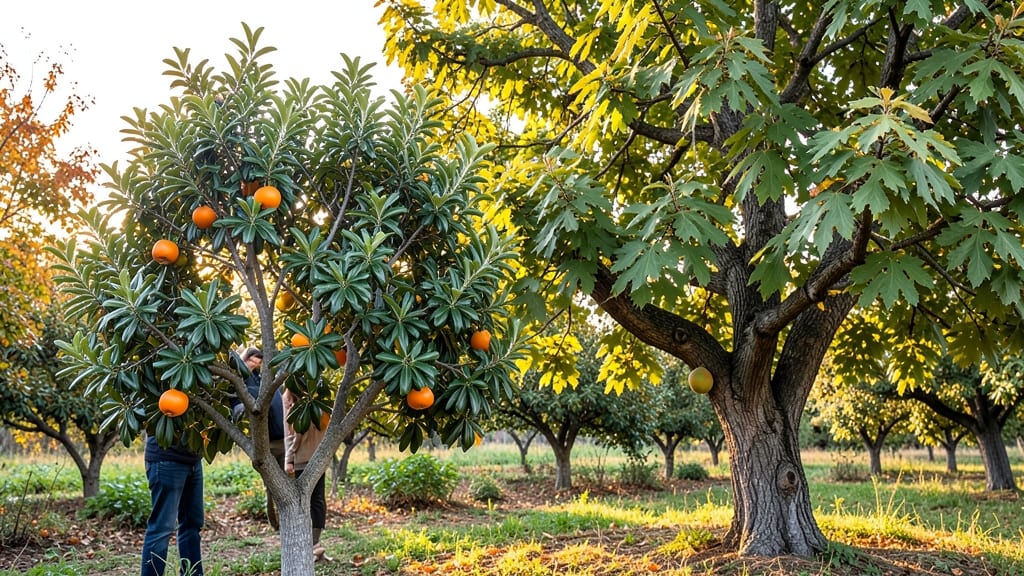
How tall does a persimmon tree grow? Its mature height can range from 15 feet to towering over 65 feet, depending on the variety and growing conditions 🍈.
Wondering if a persimmon tree will tower over your backyard or fit neatly into your landscape? The height of these fruit-bearing beauties varies dramatically by variety—and knowing the exact dimensions can save you from costly mistakes.
American persimmons, for example, often reach 40 to 65 feet at maturity, while Asian varieties like Fuyu or Hachiya typically stay between 20 and 40 feet. Dwarf varieties, though rare, can be pruned to stay under 15 feet, making them ideal for smaller gardens.
Below, I break down the height differences by species, how to manage growth with pruning, and the spacing you’ll need to avoid overcrowding—so you can plan your orchard with confidence.


Persimmon tree height by variety: from dwarf to giant sizes
If you're dreaming of adding a persimmon tree to your landscape, the first question that comes to mind is likely how tall does a persimmon tree grow? The answer depends entirely on the variety, with some reaching towering heights while others stay manageable for small gardens.
Understanding these differences will help you choose the perfect fit for your space and long-term care plan.
Persimmon trees fall into two main categories: American persimmons (native to North America) and Asian persimmons (originating from East Asia). Even within these groups, heights can vary dramatically—from compact dwarf varieties perfect for containers to massive standard trees that need acres of space.
Let's explore the exact dimensions you can expect from each popular variety.
🌱 Pro Tip: Always check your local climate zone (USDA zones 5-10) when selecting a variety, as cold tolerance plays a role in growth rates and mature size.
| Variety | Type | Mature Height | Spread | Growth Rate | Spacing Needs |
|---|---|---|---|---|---|
| American Persimmon | Native | 40-65 ft | 30-40 ft | Moderate (1-2 ft/year) | 60-80 ft apart |
| Asian Persimmon (Standard) | Non-Native | 20-30 ft | 15-25 ft | Fast (2-3 ft/year) | 20-30 ft apart |
| Fuyu (Non-Astringent) | Asian | 15-25 ft | 12-18 ft | Moderate (1-2 ft/year) | 15-20 ft apart |
| Hachiya (Astringent) | Asian | 12-20 ft | 10-15 ft | Slow (1 ft/year) | 12-15 ft apart |
| Meader (Dwarf) | American | 15-20 ft | 10-12 ft | Slow (0.5-1 ft/year) | 10-12 ft apart |
| Tane-no-Nashi (Dwarf) | Asian | 8-12 ft | 6-10 ft | Very Slow (0.5 ft/year) | 8-10 ft apart |
The American persimmon is the tallest variety, often reaching taller than a five-story building (50-65 ft) if left unpruned. These native trees grow wild in forests and need plenty of space to thrive.
For urban or suburban gardens, the Asian persimmon varieties like Fuyu and Hachiya are far more practical, typically staying between 12-25 ft tall at maturity.
If space is limited, consider dwarf varieties like Meader or Tane-no-Nashi. These stay under 12 ft tall and can even be grown in large containers (minimum 24-inch diameter pots).
Their slower growth rates make them ideal for small yards or even patio gardening, though they may require more frequent pruning to maintain shape and fruit production.
When planning your persimmon tree's location, remember that canopy spread is almost as important as height. A 20-ft-tall
How wide do persimmon trees spread? Canopy size vs. height
When planning your persimmon orchard or backyard garden, height isn't the only dimension to consider. The canopy spread of these trees determines how much space they'll need to thrive—and how close you can plant them without causing competition.
Most gardeners focus on height, but the spread dimensions often lead to overcrowding if ignored. Let's break down what you need to know to give your persimmon trees room to grow.
Persimmon trees typically spread 25-50% wider than their mature height. For example, a 20-foot-tall tree might have a 15-foot-wide canopy, while a towering 50-foot specimen could stretch 35-40 feet across.
This wide spread means you'll need to plan for ample spacing between trees, especially in orchard settings where multiple trees are planted.
| Variety | Mature Height | Canopy Spread | Spacing Needs |
|---|---|---|---|
| American Persimmon | 20-30 ft | 15-25 ft | 20-30 ft between trees |
| Asian (Fuyu) | 15-25 ft | 12-20 ft | 15-20 ft between trees |
| Asian (Hachiya) | 25-40 ft | 20-30 ft | 30-40 ft between trees |
| Dwarf Varieties | 15-25 ft | 10-15 ft | 10-15 ft between trees |
The canopy shape also plays a role in spacing. Most persimmon trees develop a rounded or oval canopy, which means they spread evenly in all directions. This makes them ideal for windbreaks or as focal points in large gardens.
However, if you're planting them near a fence or property line, consider pruning the outer branches to prevent overreach and potential damage.
For small gardens, choose dwarf varieties like 'Meader' or 'Tane-no-Nashi', which have a more manageable spread of 10-15 feet. These varieties are perfect for containers or tight spaces, allowing you to enjoy persimmons without sacrificing your lawn or patio.
Just ensure they still get full sun exposure and well-draining soil to prevent root rot.
If you're planting multiple persimmon trees, aim for at least 20 feet of space between standard varieties to avoid root competition and disease spread. In orchards, wider spacing (up to 30-40 feet) is ideal for larger varieties like Hachiya, which can become quite massive.
Always consider the mature size of the tree, not just its current dimensions, when planning your layout.
Proper spacing isn't just about aesthetics—it's crucial for fruit production and tree health. Overcrowded persimmon trees produce smaller fruits, suffer from pests and diseases, and may even fall over due to weak trunks.
By giving your trees the right amount of space, you'll ensure they grow strong, healthy, and productive for years to come.