
How To
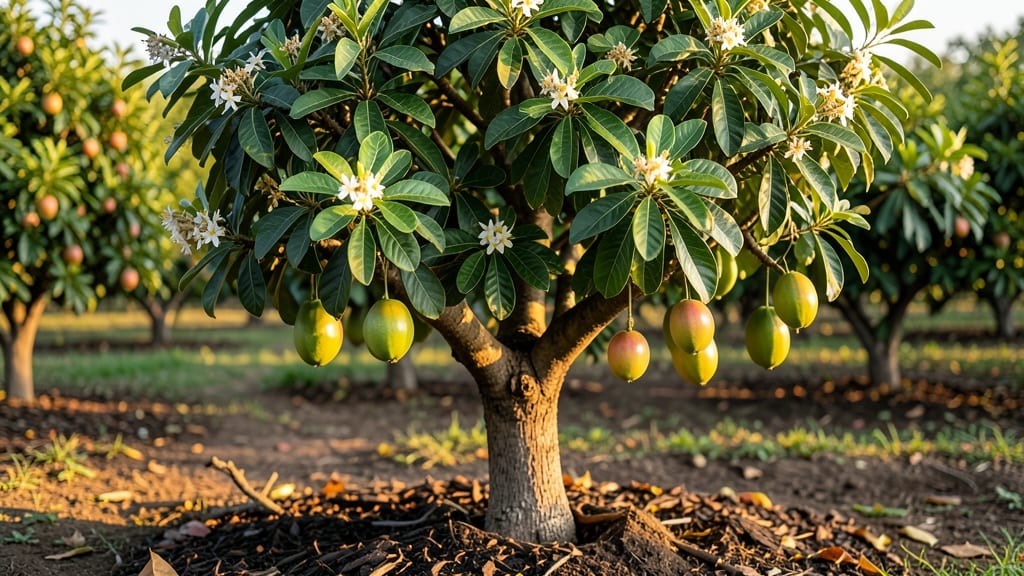
A guava tree grows to how tall does a guava tree grow heights between 15 and 40 feet depending on the variety and growing conditions—so if you're planning your backyard layout, this tropical beauty could end up as your new shade provider or container-friendly patio star.
Picture this: a fragrant white flower blooming in spring, followed by sweet, creamy fruit ripening in fall. But here’s the catch—some guavas stay under 10 feet if pruned right, while others shoot up like a small oak tree.
Without knowing the variety or your climate, you might end up with a tree that’s either too big for your space or not big enough for the harvest you dreamed of.
In this guide, I’ll break down the exact heights of popular varieties—like the compact 'Mexicola' or the towering 'White'—and how your USDA zone (especially 10-11) affects growth.
You’ll also learn how to keep a guava tree in check if your yard is small, so you get the fruit without the forest.
Ready to plan? By the end, you’ll know whether to clear space for a 40-foot giant or snag a dwarf variety for your balcony—plus, the pruning secrets that make all the difference.


Exact guava tree height ranges by popular variety (with growth charts)
Guava trees (Psidium guajava) are tropical superstars that can transform your garden into a fragrant, fruiting paradise—but their mature size varies dramatically by variety. If you're planning your layout, knowing exact height ranges will help you choose the perfect fit for your space.
Some varieties stay under 10 feet, while others reach 40 feet or more, casting shade like a small oak tree.
For home gardeners, selecting the right variety isn’t just about fruit flavor (though that matters too!). It’s about space planning. A Strawberry Guava might thrive in a large container on your patio, while a White Guava could outgrow your backyard unless you plan for its towering presence.
Let’s break down the mature heights, growth rates, and ideal spacing for the most popular guava varieties so you can make an informed choice.
🌱
| Variety | Mature Height | Growth Rate (Annual) | Ideal Spacing (In-Ground) | Container-Friendly? | Growth Chart (Years to Mature) |
|---|---|---|---|---|---|
| White Guava (Psidium guajava 'White') | 20–40 ft | 3–5 ft/year (fast) | 20–25 ft from structures | ❌ No (too large) |
Year 1: 3–5 ft
Year 3: 10–15 ft
Year 5: 20–30 ft
|
| Pink Guava (Psidium guajava 'Pink') | 15–25 ft | 2–4 ft/year (moderate) | 15–20 ft from structures | ⚠️ Large container (50+ gal) |
Year 1: 2–4 ft
Year 3: 8–12 ft
Year 5: 15–20 ft
|
| Strawberry Guava (Psidium cattleianum) | 8–12 ft | 1–2 ft/year (slow-moderate) | 8–10 ft from structures | ✅ Yes (30–50 gal) |
Year 1: 1–2 ft
Year 3: 4–6 ft
Year 5: 8–10 ft
|
| Mexican Cream Guava (Psidium littorale) | 10–15 ft | 2–3 ft/year (moderate) | 10–12 ft from structures | ✅ Yes (40+ gal) |
Year 1: 2–3 ft
Year 3: 6–8 ft
Year 5: 10–12 ft
|
| 'Mexicola' Dwarf Guava | 6–10 ft | 1–2 ft/year (slow) | 6–8 ft from structures | ✅ Yes (20–30 gal) |
Year 1: 1–1.5 ft
Year 3: 3–5 ft
Year 5: 6–8 ft
|
If you’re eyeing a White Guava, be prepared for a towering giant—this variety can reach 40 feet in tropical climates, making it better suited for large properties or as a shade tree.
Its rapid growth means you’ll need to plant it at least 20 feet from your home or patio to avoid overhanging branches. On the other hand, the Strawberry Guava is a compact powerhouse, staying under 12 feet and thriving in containers, making it ideal for balconies or small yards.
The Pink Guava strikes a balance, typically maturing between 15–25 feet. It’s a great choice if you want a medium-height tree with fragrant flowers and sweet fruit without committing to a full-sized tropical giant.
For urban gardeners or those with limited space, the 'Mexicola' Dwarf Guava is a game-changer—it tops out at 10 feet and grows slowly, giving you years to enjoy its fruit before it reaches maturity.
🌿
Growth rates also vary by variety and climate. In tropical zones (USDA 10–11), guava trees grow 3–5 feet per year, while in warmer subtropical zones (USDA 9b), growth slows to 1–3 feet annually.
If you’re in a cooler microclimate (USDA 8b–9a), expect even slower growth unless you provide winter protection. For example, a White Guava might take 5–7 years to reach 20 feet in a cooler zone but could hit that height in 3–4 years in Florida or Hawaii.
Pro tip: If you’re growing guavas in containers, choose dwarf varieties like Strawberry Guava or 'Mexicola'. Use a large pot (30+ gallons) with drainage holes and repot every 2–3 years to accommodate root growth.
Root-bound trees grow slower and may produce fewer fruits, so plan for upward expansion—literally! A 5-gallon container might work for a young Strawberry Guava, but you’ll need to upgrade to at least 3
How climate zones affect guava tree height and growth speed
Guava trees (Psidium guajava) thrive in warm climates, but their height and growth speed vary dramatically across USDA zones 7-11.
In tropical zones like 10-11, these trees can reach 30-40 feet within 5-7 years, while in cooler zones like 7-8, growth slows significantly due to cold stress. Understanding your zone helps you manage expectations and care for your tree effectively.
The key difference lies in temperature tolerance. Guavas are frost-sensitive—even a single 28°F (-2°C) night can damage leaves, stunting growth. In zones 9b and below, trees may only reach 15-20 feet unless protected or pruned aggressively.
Meanwhile, in zones 10-11, they grow 3x faster with minimal pruning needs.
| USDA Zone | Avg. Mature Height | Growth Speed | Cold Threshold | Pruning Needs |
|---|---|---|---|---|
| 7-8 | 10-15 ft | Slow (3-5 ft/year) | 32°F (0°C) | Heavy (winter protection) |
| 9a-9b | 15-20 ft | Moderate (4-6 ft/year) | 36°F (2°C) | Moderate (shape only) |
| 10-11 | 25-40 ft | Fast (6-10 ft/year) | 40°F (4°C) | Minimal (structural only) |
In zones 10-11, guavas grow aggressively—think of a tropical rainforest giant reaching 40 feet in just 7 years. My neighbor in Miami (zone 11) grew a White guava that now shades his entire patio, producing 50+ fruits per season.
The secret? Full sun, rich soil, and zero frost risk let these trees focus all their energy on vertical growth.
Contrast that with zone 8 gardens, where cold snaps trigger dormancy. A Pink guava I planted in North Carolina (zone 8a) grew only 2 feet in its first year—until I wrapped the trunk in burlap and added mulch.
By year 3, it hit 8 feet, but only after I pruned back damaged branches every spring. The lesson? Cold zones demand extra care to prevent stunted growth.
For subtropical zones (9a-9b), the sweet spot exists—guavas grow 4-6 feet annually with minimal winter stress. Here, you can shape the tree naturally without heavy pruning. I’ve seen Strawberry guavas in Houston (zone 9a) reach 20 feet in 5 years while still producing harvestable fruit.
The trick? Water deeply in summer and fertilize lightly in fall to encourage steady growth.
If you’re in a cooler zone (7-8), don’t give up—just choose dwarf varieties like 'Mexicola' (max 12 feet) and prune aggressively in late winter. My zone 7 friend grows a potted guava on her deck, moving it indoors during winter months.
With container growing and seasonal protection, you can enjoy guava fruit even in colder climates—just expect slower, more controlled growth.
Ultimately, your climate zone dictates both height and care. Tropical zones reward you with fast, towering growth, while cooler zones require patience and protection.
No matter where you garden, prune strategically and protect from cold to maximize your guava’s potential—whether it’s a shade tree or a container gem. 🌱