
How To
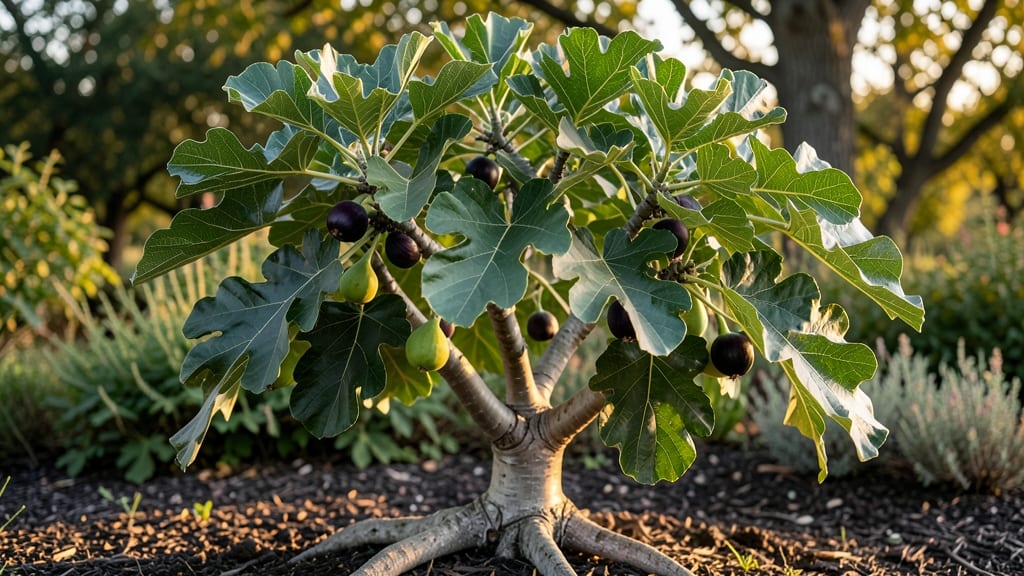
A fig tree can grow anywhere from 6 feet to over 30 feet tall, depending on the variety and how you care for it 🌳 — and knowing the exact range is the difference between a backyard centerpiece and a sun-blocking monster.
Picture this: You plant a dwarf fig like 'Little Miss Figgy' expecting a neat 8-foot shrub, only to find it sprawling into your neighbor’s yard by summer. Or you go all-in on a 'Brown Turkey,' thinking it’ll stay a manageable 15 feet, but it’s now towering over your roof.
These mismatches happen more often than you’d think.
Fig trees aren’t one-size-fits-all. The variety you choose, your climate zone, and even your pruning habits will dictate whether your tree stays compact or stretches toward the sky.
Below, I break down the height ranges for 10+ common figs, how to adjust for your growing conditions, and the pruning secrets that keep even the tallest varieties in check.
Ready to plan your garden without surprises? You’ll walk away knowing exactly how tall your fig tree will grow—and how to keep it at the perfect height for your space.


Fig tree height by variety: from dwarf to giant sizes
Choosing the right fig tree variety isn't just about fruit flavor—it's about space planning. Some varieties stay compact enough for container gardening, while others become towering backyard giants.
Whether you're working with a small patio or a sunny orchard, knowing these height ranges helps you select the perfect tree for your space.
Fig trees grow at dramatically different rates depending on the variety. A dwarf fig tree like 'Little Miss Figgy' stays under 8 feet tall, making it ideal for balconies and small yards.
Meanwhile, standard varieties like 'Brown Turkey' can reach 20-30 feet, creating a shady canopy perfect for outdoor living spaces. Let's explore the height spectrum of popular fig tree varieties.
| Variety Name | Mature Height (ft) | Spread Width (ft) | Growth Habit | Best For | Sunlight Needs |
|---|---|---|---|---|---|
| Little Miss Figgy | 6-8 ft | 4-6 ft | Compact, bushy | Containers, patios | Full sun |
| Celeste | 8-12 ft | 6-8 ft | Upright, spreading | Small yards, containers | Full sun |
| Chicago Hardy | 12-15 ft | 10-12 ft | Vigorous, upright | Cold-hardy zones, large yards | Full sun |
| Desert King | 15-20 ft | 12-15 ft | Spreading, wide canopy | Hot climates, large spaces | Full sun |
| Brown Turkey | 20-30 ft | 15-20 ft | Tall, upright | Orchards, large properties | Full sun |
| Violette de Bordeaux | 15-25 ft | 10-12 ft | Upright, narrow | Small spaces, urban gardens | Full sun |
| Osborn Prolific | 12-18 ft | 10-14 ft | Spreading, bushy | Containers, small yards | Full sun |
| Black Jack | 10-15 ft | 8-10 ft | Compact, upright | Cold climates, containers | Full sun |
| Panache | 8-12 ft | 6-8 ft | Bushy, spreading | Containers, patios | Full sun |
| Sierra | 10-14 ft | 8-10 ft | Upright, cold-hardy | Cold zones, large yards | Full sun |
If you're working with limited space, varieties like 'Little Miss Figgy' or 'Panache' are perfect for containers and patios. Their compact growth habits make them ideal for balcony gardening or small urban yards.
How climate zones affect fig tree growth height
Your fig tree's eventual height isn't just about the variety you choose—it's heavily influenced by your USDA climate zone. In colder zones like 7, figs grow more slowly and compactly, while warmer zones 9-11 can produce trees that are 30% taller than their northern counterparts.
This zone-driven growth pattern explains why your neighbor's Celeste fig might stay at 12 feet in Zone 8 but reach 18 feet just two zones south.
The science behind this lies in chilling requirements and growing season length. Fig trees in warmer climates experience longer, more intense growth periods, allowing them to allocate more energy to vertical expansion.
For example, a Desert King fig might reach 20 feet in Zone 10 but only 16 feet in Zone 8 due to winter dormancy constraints. Understanding these patterns helps you select varieties that will thrive—and stay within your space limits—in your specific microclimate.
For gardeners in transitional zones like Zone 8, where winters can be unpredictable, selecting cold-hardy varieties like Chicago Hardy (12-15 ft) gives you the best chance of maintaining a manageable height. These varieties naturally stay more compact because they've evolved to survive winter dieback.
In contrast, heat-loving varieties like Violette de Bordeaux will push their height limits in Zone 9 but may struggle to reach their full potential in Zone 8 without extra winter protection.
You can use this simple height adjustment calculator: Take your zone's average mature height for a variety and multiply by 0.9 for Zone 7, 1.0 for Zone 8, 1.15 for Zone 9, and 1.3 for Zone 10.
For example, if a variety typically reaches 15 feet in Zone 8, expect about 13.5 feet in Zone 7 (15 × 0.9) but potentially 17 feet in Zone 9 (15 × 1.15). This adjustment helps you visualize what to expect before planting.
Zone 8 presents special considerations because it's the tipping point for many fig varieties. Trees in this zone often experience winter dieback that can stunt their eventual height by up to 20%.
The key is choosing varieties with good cold tolerance like Celeste or Osborn Prolific, which naturally grow more slowly and handle winter better than tropical varieties. Even with these selections, plan to provide winter protection like mulch blankets or burlap wraps to maximize their growth potential.
Remember that while climate zones provide a general guideline, microclimates can dramatically alter your fig tree's growth trajectory. A spot against a south-facing wall might add 2-3 feet to your tree's height compared to an open, windy location.
Pay attention to these local conditions when making your final planting decisions, as they can sometimes outweigh the zone-based predictions. With the right variety and care, you can coax even a dwarf fig to reach its full potential—or keep a giant variety in check.
🌳