
How To
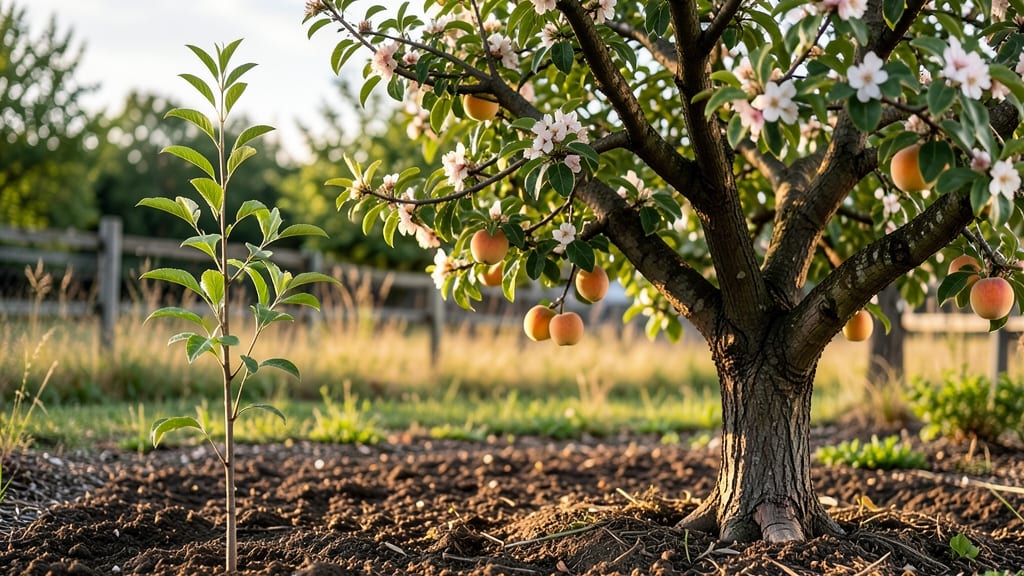
A peach tree can grow how tall can a peach tree grow anywhere from 8 feet to towering 25 feet, depending on its variety and how you care for it.
Imagine planning your backyard orchard only to realize your 🍑 trees will soon block the neighbor’s fence—or worse, your roof!
Did you know some peach trees can reach sky-high heights—while others stay conveniently compact? Understanding your peach tree’s mature size isn’t just about aesthetics; it determines spacing, pruning needs, and even fruit yield.
Dwarf varieties like ‘Bonanza’ max out at 8-12 feet, perfect for small yards or containers, while standard types like ‘Elberta’ can stretch 20+ feet tall. The difference? Rootstock and pruning—both of which you can control to fit your space.
Here’s the truth about peach tree heights by variety, so you can plan your orchard (or backyard) like a pro—whether you’re dreaming of a tiny urban grove or a sprawling homestead.


Peach tree height by variety: dwarf to giant sizes explained
Choosing a peach tree isn’t just about flavor—it’s about space! Standard varieties like ‘Elberta’ can tower 20-25 feet, while dwarf varieties like ‘Bonanza’ stay under 8 feet. The difference? Rootstock and grafting.
Dwarf trees are grafted onto stunted rootstock, while standard trees grow on their own roots or vigorous rootstock like ‘Lovell’. This matters for your yard layout, fruit access, and even pruning workload.
Your peach tree’s mature height directly impacts fruit production and care demands. Taller trees yield more fruit but require ladder access and stronger branches to support weight. Smaller trees produce fewer peaches but are perfect for containers or small backyards.
For example, ‘Redhaven’ (semi-dwarf) hits 12-18 feet, making it ideal for suburban lots where ‘Elberta’ would overwhelm the space.
Growth habits vary too. Some varieties grow upright and narrow, while others spread wide and low. ‘Bonanza’ stays compact with a rounded canopy, while ‘Suncrest’ stretches tall and columnar.
This affects spacing needs: plant dwarf trees 6-8 feet apart, semi-dwarfs 12-15 feet, and standards 18-25 feet apart to avoid root competition and disease spread.
If you’re planting multiple trees, mix sizes for a layered orchard. Place taller varieties like ‘Elberta’ at the back and dwarf trees like ‘Bonanza’ in front.
This creates shade for roots and easier fruit picking. Just ensure dwarf trees get full sun exposure—they won’t tolerate shade from taller neighbors.
Climate plays a role too. In warmer zones (USDA 8-10), peach trees grow faster and taller. In cooler zones (USDA 5-7), they may stay slightly shorter due to slower growth.
For example, a ‘Redhaven’ in California might hit 18 feet, while the same tree in Michigan could max out at 15 feet. Always check your local nursery recommendations for rootstock adapted to your climate.
Pruning can control height but won’t drastically alter a tree’s genetic potential. You can top dwarf trees to keep them under 6 feet, but they’ll still grow taller if unchecked. For standard trees, annual pruning removes water sprouts and dead branches, preventing overgrowth.
Use sharp pruners and sterilize cuts with hydrogen peroxide to avoid bacterial canker, a common peach tree disease.
For small-space gardening, consider espalier
How to control peach tree height: pruning and training tips for small spaces
If your backyard is small but you dream of peach trees, don’t worry! With the right pruning techniques and training methods, you can keep your peach tree height manageable while still enjoying a bountiful harvest.
The key lies in understanding growth habits and seasonal timing—whether you’re working with a dwarf variety or a standard tree. Let’s break down how to tame your tree’s height like a pro.
First, choose the right pruning method for your space. Open-center pruning creates a vase-like shape, ideal for smaller yards, while central leader pruning encourages a single upright trunk, perfect for larger orchards.
Both methods require precision and timing to avoid stressing the tree. For small spaces, espalier training can flatten your tree against a fence or wall, maximizing fruit production in minimal room.
When to prune is just as critical as how. Dormant season pruning (late winter or early spring) is the safest time to shape your tree, as it reduces disease risk. However, summer pruning can also encourage bushier growth if done carefully. Always use sharp, clean tools—like bypass pruners or loppers—to make precise cuts that heal faster and minimize infection.
Step-by-Step Guide to Pruning for Height Control
- Step 1: Assess Your Tree’s Structure
Examine branches for crossing limbs, dead wood, or suckers (shoots growing from the base). Remove these first to improve airflow and reduce disease risk.
- Step 2: Choose Your Pruning Method
For small spaces, opt for open-center pruning (3-5 main branches) or espalier training (flattened against a support). For larger areas, central leader pruning keeps a single trunk.
- Step 3: Prune at the Right Time
Dormant season (late winter): Remove 1/3 of last year’s growth to encourage new, bushier branches. Summer pruning (June-July): Trim new shoots to redirect energy toward fruit production.
- Step 4: Make Precision Cuts
Cut just above a bud or branch collar at a 45-degree angle. Avoid leaving stubs, which invite disease. Seal larger cuts with pruning sealant if needed.
- Step 5: Train for Espalier (Optional)
For wall-mounted trees, attach branches to a trellis or fence using soft ties. Prune to maintain a flat, horizontal shape for easy harvesting and space-saving.
- Step 6: Maintain Year-Round
Monitor for water sprouts (vertical shoots) and remove them promptly. In fall and winter, clean tools with rubbing alcohol to prevent bacterial spread.
Don’t forget that rootstock type plays a huge role in height. Dwarf rootstocks (like ‘Lovell’) keep trees under 8-12 feet, while semi-dwarf rootstocks (like ‘Halford’) reach 12-18 feet.
If you’re working with a standard tree, aggressive pruning can reduce its height by 30-50% over time. Pair this with regular thinning of fruit to prevent overburdening branches.
For small-space gardening, consider container growing with dwarf varieties like ‘Bonanza’ or ‘Sanguinelle’. These stay under 8 feet and thrive in large pots with proper drainage. Just ensure the container is at least 24 inches wide and deep to accommodate root growth.
Mulch around the base to retain moisture and regulate soil temperature, which further supports controlled growth.
With patience and consistency, you can shape your peach tree to fit your space—whether that’s a backyard corner, a balcony garden, or a traditional orchard. The key is to prune strategically, train intentionally, and monitor your tree’s response throughout the seasons. Happy pruning! 🌱✂️🍑