
Pests and Diseases
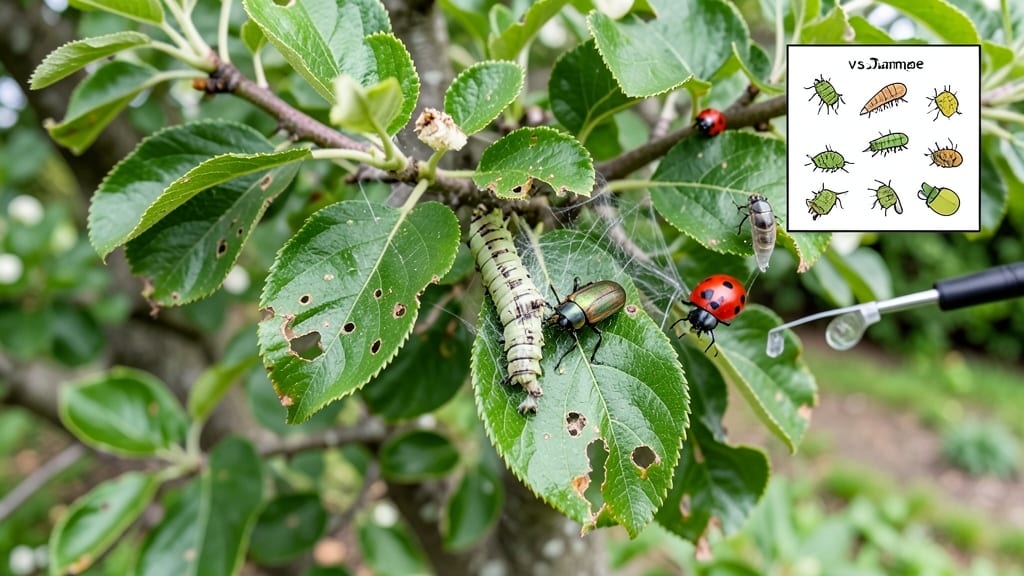
When you notice your tree leaves being eaten, it could be caused by pests like caterpillars, beetles, or mites—or natural factors such as deer browsing, fungal diseases, or environmental stress like drought. The key to solving the problem is examining the damage patterns closely and applying targeted treatments.
Leaf damage can look similar whether it's from pests or natural causes, but the patterns often reveal the culprit. 🌿 For instance, chewed edges or holes that appear overnight usually signal caterpillars or beetles, while powdery white residue suggests fungal infections like powdery mildew.
I always recommend starting with a thorough inspection—look for tiny webs (spider mites), sticky residue (aphids), or irregular browning (nutrient deficiencies). Once you identify the issue, treatments range from organic sprays for pests to balanced fertilizers for stress-related problems.
What's interesting is how seasonal changes affect both pests and natural stressors. For example, Japanese beetles peak in late summer, while fungal diseases thrive in humid conditions. Understanding these cycles helps you time your interventions effectively.
If you're unsure whether it's a pest or environmental issue, take a close-up photo of the damage and compare it to online guides—this can save you from applying the wrong treatment and potentially harming your tree further.
💡 In This Article
- Common Tree Leaf-Eating Pests and Their Damage Patterns
- Natural Causes of Leaf Loss and How to Address Them
Common tree leaf-eating pests and their damage patterns
Leaf-eating pests often leave behind distinctive visual clues that reveal their identity. Caterpillars, for example, typically create irregular holes with chewed edges and may even skeletonize leaves by eating the soft tissue between veins.
Japanese beetles, on the other hand, chew clean, half-moon-shaped notches along leaf margins, often targeting roses, linden, and birch trees. These beetles are most active between 10 AM and 4 PM during peak summer months, making their damage easier to spot during midday inspections.
Aphids and spider mites create different damage patterns that require a closer look. Aphids leave behind sticky honeydew residue that can attract sooty mold, while their feeding causes curled or yellowed leaves.
Spider mites, however, produce fine webbing on the undersides of leaves and cause stippling—tiny yellow or brown dots—that eventually merge into larger discolored patches. These pests thrive in dry, hot conditions, often appearing after prolonged drought when tree stress makes them more vulnerable.
The lifecycle stages of these pests also influence when you'll notice damage. Caterpillars, for instance, start as tiny eggs laid on leaf undersides before hatching into voracious feeders. Japanese beetle grubs, which live in the soil, can cause additional stress by feeding on roots before emerging as adults.
Understanding these patterns helps you time your interventions—like applying Bt (Bacillus thuringiensis) for caterpillars in early summer or neem oil for spider mites during dry spells—before the damage becomes severe.
Seasonal activity is another critical factor. Most leaf-eating pests have distinct peak periods: Japanese beetles emerge around late June to August, while gypsy moth caterpillars are most active in May and June.
Even aphid populations explode in early spring when new growth is tender. By recognizing these seasonal patterns, you can monitor your trees more effectively and intervene before significant damage occurs.
For accurate identification, examine the damage under good light and consider using a 10x hand lens to spot tiny eggs or webbing. Take note of whether the damage is concentrated on new growth (often aphids) or older leaves (common with beetles).
This level of detail often separates pest problems from natural causes, allowing you to apply the most effective—and least harmful—solutions.
Remember that some pests, like bagworms, create distinctive silk bags that protect their larvae, while others like sawfly larvae chew leaves into a characteristic "windowpane" pattern. These unique signatures can help you narrow down the culprit quickly, saving time and resources in your diagnosis.