
Pruning
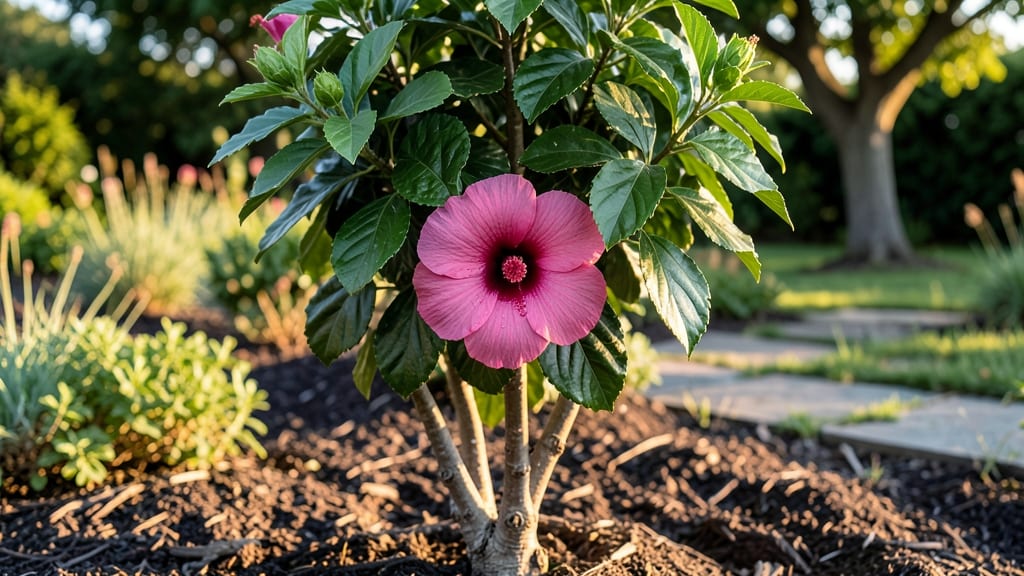
The hibiscus tree temperature range for optimal growth spans 50°F to 90°F, with peak performance between 60°F–85°F. While they can handle short cold snaps down to 30°F, frost damage occurs below 25°F, limiting them to USDA Zones 4–11 unless winter protection is used.
Understanding this temperature range helps explain why hibiscus trees struggle in northern winters without protection. 🌡️ Their tropical roots make them sensitive to prolonged cold—below 40°F, growth slows dramatically, and leaves may blacken. In contrast, heatwaves above 90°F can stress the plant, causing leaf drop if humidity isn't maintained.
I've seen hibiscus thrive in Zone 8 gardens with afternoon shade, while Zone 5 growers often overwinter pots indoors or use thick mulch to simulate their natural warmth preferences.
For those in marginal zones, the key is creating microclimates—planting near south-facing walls or using windbreaks can add 5–10°F of protection. Container growers have an advantage: simply moving pots indoors during frost alerts preserves the plant's health.
The trade-off? Hibiscus trees in colder climates may enter dormancy earlier, delaying their stunning summer blooms until late June or July.
💡 In This Article
- How Temperature Affects Hibiscus Tree Growth and Survival
- Best Practices for Protecting Hibiscus Trees in Cold Climates
How temperature affects hibiscus tree growth and survival
Hibiscus trees originate from tropical and subtropical regions, meaning their biology is finely tuned to warmth. Their roots, in particular, are highly sensitive to cold—below 50°F, root activity slows dramatically, while temperatures under 40°F can cause irreversible damage to the delicate root hairs responsible for water and nutrient uptake.
This is why hibiscus trees in Zone 4 gardens often struggle unless given winter protection, as their roots simply can't recover from prolonged cold exposure.
The ideal 60°F–85°F range triggers optimal photosynthesis and flowering.
At these temperatures, the plant's metabolic processes—like chlorophyll production and nutrient transport—operate at peak efficiency. 🌿 For example, hibiscus trees in Florida's 80°F–90°F summers produce vibrant blooms continuously, while those in California's 70°F–80°F coastal climates may bloom slightly less prolifically but with longer-lasting flowers. The key difference?
Humidity levels—dry heat above 90°F can cause leaf scorch, while high humidity buffers temperature stress.
Cold triggers a survival mechanism called dormancy. When temperatures drop below 50°F for extended periods, hibiscus trees enter a semi-dormant state, conserving energy by reducing leaf production and halting flower development. This explains why hibiscus trees in Zone 6 may only bloom from late June to September—once temperatures rise again.
The transition back to active growth in spring is gradual, often requiring 2–3 weeks of consistent 60°F+ weather to fully restart metabolic functions.
Heat stress becomes a problem when temperatures exceed 90°F without adequate moisture. The large, broad leaves of hibiscus trees lose water rapidly through transpiration, leading to wilting or leaf drop if not watered deeply 2–3 times per week.
In my own garden, I've noticed that hibiscus trees planted in full sun without afternoon shade in 95°F+ heat require 50% more water than those in partial shade. The trade-off? Morning sun exposure helps prevent fungal diseases like powdery mildew, which thrives in humid, shady conditions.
Humidity plays a surprising role in temperature tolerance. Hibiscus trees in dry climates (like Arizona) may survive 100°F heatwaves if soil moisture is maintained, while those in humid climates (like Louisiana) can handle 90°F with minimal stress.
The relative humidity threshold for hibiscus is 40–60%—below this, leaves may develop brown edges, and above it, fungal risks increase. This is why growers in arid regions often use mulch to retain soil moisture and mist systems to raise humidity levels around the plant.
One often-overlooked factor is nighttime temperatures. Hibiscus trees require 10–12 hours of darkness for proper dormancy and flowering cycles. In regions with long summer daylight (like Alaska), hibiscus trees may fail to bloom because the extended light periods disrupt their natural circadian rhythms.
This is why hibiscus trees in Zone 7 gardens often produce more flowers than those in Zone 10—cooler nights trigger the hormonal signals needed for bud formation. 💐