
Light Requirements
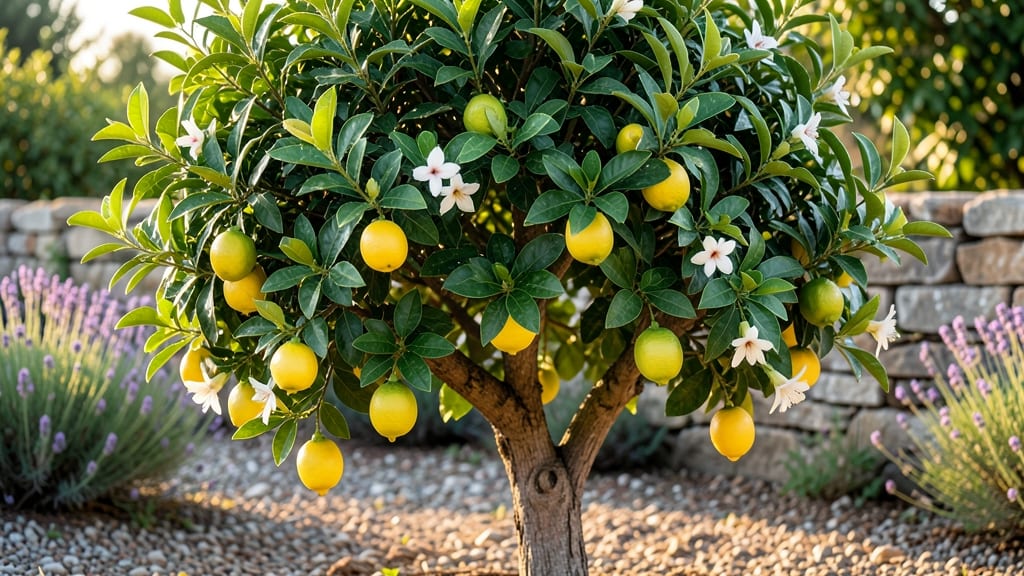
A lemon tree needs a lot of sun to thrive and produce fruit 🍋 — at least 6 to 8 hours of direct sunlight daily, with more yielding bigger harvests.
Struggling to keep your lemon tree alive? You might be getting the sunlight wrong—too much shade can stunt growth, while insufficient light kills fruit production.
Here’s the exact sunlight formula your lemon tree needs to thrive—and why even small mistakes can mean the difference between a lush harvest and a sad, leafy disappointment.
Most gardeners assume "full sun" means plopping their tree in the hottest spot, but lemon trees actually prefer gentle morning rays paired with afternoon shade in scorching climates. The key is balancing intensity with consistency—too much direct midday sun can scorch leaves, while patchy shade leads to sparse fruit.
In this guide, I’ll break down the ideal sunlight range by region, how to spot sunlight stress (yellowing leaves, fruit drop, and stunted growth), and practical fixes like pruning, container placement, and even grow lights for indoor growers.
By the end, you’ll know exactly how to position your lemon tree for a bountiful harvest—no guesswork required.


How many sunlight hours does a lemon tree need for fruit production?
If you're growing a lemon tree, sunlight isn't just important—it's the foundation of everything. Without enough light, your tree will struggle to produce fruit, and too much can scorch its leaves.
The ideal range for most lemon varieties is 6 to 10 hours of direct sunlight daily, but the exact needs depend on the type of lemon tree you're growing. For example, Meyer lemons are more adaptable than Eureka or Lisbon varieties, which demand full sun to thrive.
Understanding these differences can mean the difference between a tree full of lemons and one that barely flowers.
Lemon trees are native to sunny climates, so they crave light—especially during their active growing months from spring through fall. In winter, when days are shorter, you might see reduced sunlight needs, but even then, at least 4-6 hours of light helps maintain the tree's health.
The key is balancing enough sunlight for fruit production without causing leaf burn, which happens when temperatures exceed 90°F (32°C) with intense midday sun. Let’s break down the exact sunlight requirements for each popular lemon tree type.
Measuring sunlight accurately is easier than you think. Start by observing your garden’s sunlight patterns for a week. Use a sunlight tracker app or a simple method: place a whiteboard or piece of paper in potential spots and mark the hours the sun hits it.
Aim for a location where your lemon tree will receive consistent sunlight throughout the day, avoiding areas where buildings or trees cast long shadows after noon. Morning sun is gentler, while afternoon sun can be intense, so positioning matters.
For example, a south-facing spot in the Northern Hemisphere is ideal because it captures sunlight from mid-morning to late afternoon.
Seasonal changes require adjustments, especially in regions with short winters or long summers. In summer, when days are long, your lemon tree might get more than 10 hours of light, but that’s okay—as long as you provide afternoon shade during heatwaves to prevent leaf burn.
In winter, reduce exposure to 4-6 hours of light if your tree is in a container or a cooler climate, as this mimics its natural dormancy period. If you're growing indoors, grow lights are a game-changer, providing the 12-14 hours of light lemon trees need to flower and fruit consistently.
Watch out for these critical thresholds: if your lemon tree gets less than 6 hours of sunlight, it will struggle to produce flowers, let alone fruit. You’ll notice small, sparse leaves and long, leggy growth as the tree stretches toward light.
On the flip side, more than 10 hours of direct sun without relief can cause leaf scorch, where edges turn brown and crispy. Balancing these extremes is key to a healthy, productive lemon tree.
For instance, in Zone 9 or 10, where sunlight is abundant, providing dappled shade with a sheer curtain can protect your tree during peak afternoon heat.
If you're unsure whether your lemon tree is getting enough light, check the underside of leaves. Healthy leaves have a light green or pale color, while those in low light turn dark green or purple.
Additionally, inspect the fruit: lemons that form but stay small and green are a sign of insufficient light. Conversely, if your tree is dropping unripe fruit or leaves are curling, it might be getting too much intense sunlight.
Adjusting your tree’s position or using shade cloth can help correct these issues before they become permanent problems.
For container-grown lemon trees, placement is everything. If your tree is on a patio or balcony, rotate it every few weeks to ensure all sides get equal sunlight. Avoid placing it near reflective surfaces like glass or metal, which can amplify heat and cause sunburn.
If you're in a high-rise apartment, a south-facing window with a grow light can compensate for natural light deficiencies. Remember, lemon trees are sun-worshippers, and giving them the right amount of light is the first step to a bountiful harvest.
Pro tip:
Signs your lemon tree isn’t getting enough (or too much) sun
Your lemon tree’s leaves are the first to scream for help when sunlight is off—whether it’s too little or too much. Yellowing leaves on older growth often mean insufficient light, while crispy, white or brown patches signal sunburn.
Even fruit drop can happen if your tree isn’t getting the right balance, leaving you with no lemons to harvest.
The tricky part? These symptoms can mimic overwatering or underwatering, making it hard to pinpoint the real issue. But here’s the key: leaf texture and growth patterns reveal the truth. Stunted new growth? Likely light deprivation. Leaves curling upward like turtles? Probably sun scorch.
Does a Lemon Tree Need a Lot of Sun?
- Optimal fruit production (sweet, flavorful lemons)
- Stronger stems (less prone to snapping)
- Healthier foliage (deep green, glossy leaves)
- Faster growth (reaches maturity quicker)
- Leaf burn (white/brown patches)
- Stunted growth (tree stops producing new leaves)
- Fruit drop (lemon blossoms fail to set)
- Root stress (soil dries out too fast)
- Avoids sunburn (safer for young trees)
- Slower water loss (less frequent watering)
- Milder climate adaptability (works in hot zones)
- No fruit production (tree focuses on leaves)
- Leggy growth (weak, stretched stems)
- Pale, weak leaves (poor photosynthesis)
- Susceptible to pests (stressed trees attract bugs)
If your tree’s leaves are yellowing at the edges but the rest stays green, it’s likely underwatering or low humidity. But if the entire leaf turns yellow and drops, that’s a light deficiency warning.
For sunburn damage, check for crispy, white patches—these won’t recover and may need pruning.
Here’s how to fix it: Move your tree to a south-facing spot for 6-8 hours of sunlight daily. If you’re in a hot climate, provide afternoon shade to prevent scorch. For container-grown trees, rotate the pot weekly so all sides get equal light exposure.
Pro tip: Use a light meter or observe your tree’s shadow. If it’s shorter than the tree itself for most of the day, it’s not getting enough sun. And if new leaves appear small and pale, your lemon tree is silently begging for more light.
Remember, Meyer lemon trees tolerate slightly less sun than Eureka or Lisbon varieties, but none thrive in deep shade. Even 3 hours of sunlight will stunt growth—so don’t settle for less than 6 hours if you want lemons, not just leaves.