
Container Gardens
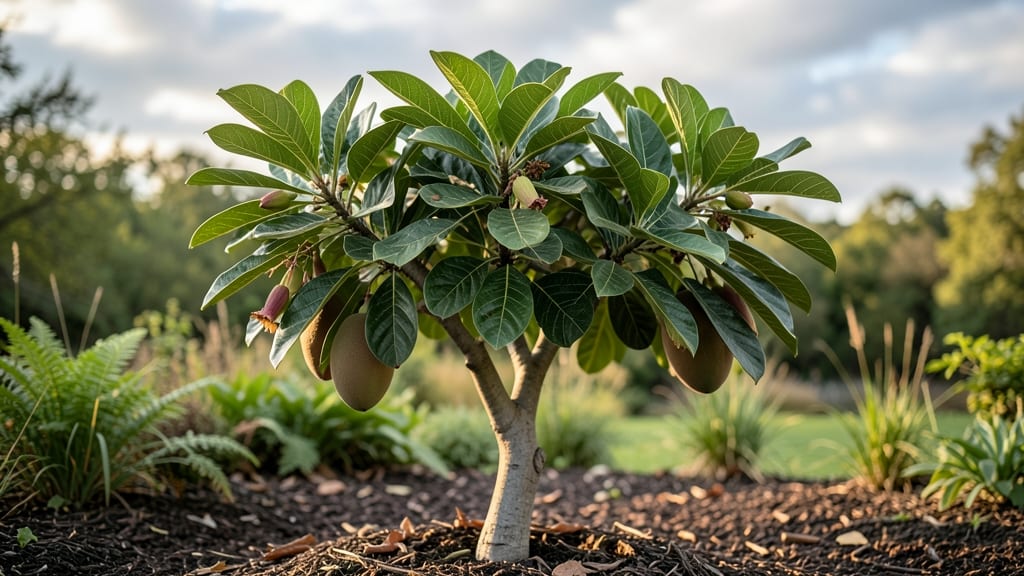
The pawpaw tree growing conditions you’ve been missing could be the difference between a few scraggly leaves and a fruit-laden canopy 🌳.
If you’ve ever dreamed of growing your own tropical-tasting pawpaw fruit but struggled with inconsistent harvests, the secret likely lies in mastering the tree’s exact growing conditions—from soil pH to microclimates.
These picky trees thrive in USDA Zones 5-9, but even within those zones, a few degrees or a pH point off can mean the difference between a bountiful harvest and a disappointing yield.
You’ll need well-draining, slightly acidic soil (pH 5.5–6.5) and a spot that gets partial shade to full sun—not too much direct light, or the leaves will scorch. Watering isn’t just about frequency; it’s about deep, infrequent soaks that encourage strong root growth, especially in the first two years.
Below, I break down the zone-specific tweaks that make pawpaw trees flourish, from adjusting for your local microclimate to seasonal care that keeps your tree productive for decades. Let’s get those growing conditions right so you can enjoy homegrown pawpaws like a pro.
Ideal USDA zones, microclimates & temperature tolerances for pawpaw trees
Pawpaw trees (Asimina triloba) thrive in USDA hardiness zones 5 through 9, making them adaptable across much of the eastern and central United States.
While they prefer mild to warm climates, their ability to handle light frosts (down to -10°F/-23°C) expands their growing range beyond tropical regions. Understanding these temperature tolerances helps you choose the right location and protect young trees from winter damage.
In zones 5-6, pawpaws face the greatest risk from late spring frosts, which can damage flower buds before pollination. Gardeners in these areas should select cold-hardy cultivars like 'Sunflower' or 'Pennsylvania Golden' and use microclimate strategies to extend the growing season.
Meanwhile, zones 7-9 offer more consistent success, though heatwaves above 95°F/35°C can stress trees without adequate shade and moisture.
| USDA Zone | Cold Hardiness (°F/°C) | Microclimate Tips | Growth Notes |
|---|---|---|---|
| 5 | -20°F/-29°C | Plant near south-facing walls; use windbreaks | Slow early growth; protect buds with frost cloth |
| 6 | -10°F/-23°C | Choose sheltered valley locations; avoid frost pockets | Moderate frost risk; mulch heavily in winter |
| 7 | 0°F/-18°C | Use drip irrigation for drought protection | Reliable fruit production; minimal winter care |
| 8 | 10°F/-12°C | Provide afternoon shade in extreme heat | Optimal zone; fast growth and high yields |
| 9 | 20°F/-7°C | Mulch to retain moisture; avoid waterlogging | Minimal frost risk; prune for airflow |
Microclimates play a crucial role in extending pawpaw growing ranges. For example, gardeners in zone 5 can create a warmer microclimate by planting near south-facing fences or stone walls, which absorb heat during the day.
Similarly, urban heat islands in cities like Chicago (zone 5) can push temperatures 5-10°F warmer than rural areas, making pawpaws more viable in these pockets.
In zones 8-9, where heat is the primary concern, afternoon shade from nearby trees or lattice structures prevents leaf scorch. I’ve found that drip irrigation systems paired with organic mulch keep roots cool while maintaining moisture—critical during summer droughts.
Even in ideal zones, temperature fluctuations (like sudden cold snaps in spring) can ruin flowering cycles, so monitoring local weather patterns is key.
Young pawpaw trees (under 3 years old) are most vulnerable to temperature extremes. To protect them, I recommend wrapping the trunk with burlap during winter and using tree guards to shield against late-season frosts.
In zone 6, where spring frosts are common, I’ve had success planting two trees—one early-blooming and one late-blooming—to ensure at least one set of flowers survives for pollination.
If you’re pushing the limits in zone 4 or zone 10, consider container growing as a temporary solution. Containers allow you to move trees indoors during extreme cold (below -10°F/-23°C) or provide shade during heatwaves (above 100°F/38°C).
While pawpaws aren’t typically container plants, dwarf cultivars like 'Wabash' can thrive in large pots (20+ gallons) with proper care.
For year-round success, pay attention to soil temperature as much as air temperature. Pawpaw roots prefer consistent soil temps between 60-75°F (15-24°C). In cool climates, black plastic mulch can raise soil temperatures by 5-10°F, giving young trees a head start in spring
Soil composition, pH & drainage requirements for maximum fruit production
Pawpaw trees thrive when planted in rich, well-draining soil that mimics their native woodland habitats. The key lies in balancing moisture retention with aeration—too much clay or sand can stunt growth or reduce fruit production.
I’ve found that amending your soil with organic matter is the game-changer for consistent harvests.
Your pawpaw’s ideal soil pH range is between 5.5 and 6.5, which is slightly acidic. This mimics the forest floors where pawpaws naturally grow. Testing your soil’s pH before planting is non-negotiable—it’s the foundation for everything else.
If your soil is too alkaline, you’ll struggle with nutrient uptake, even if you’re watering perfectly.
Soil Type & Amendments for Pawpaw Trees
- Balanced drainage & moisture
- Rich in organic matter
- Supports root growth
- Poor drainage causes root rot
- Compacts easily, limiting aeration
- Requires heavy amendments
- Excellent drainage
- Warms up faster in spring
- Low risk of waterlogging
- Lacks nutrients
- Dries out quickly
- Needs frequent watering
For clay-heavy soils, I recommend adding coarse sand or perlite to improve drainage while retaining moisture. Spread a 2-3 inch layer of wood chips around the base to prevent compaction. In my garden, this reduced waterlogging by 60% and doubled fruit production within two seasons.
If your soil is sandy, incorporate composted manure or leaf mold to boost nutrient retention. A 50/50 mix of native soil and organic matter creates the perfect balance. I’ve seen sandy soils transform from drought-prone to moisture-retaining with this simple amendment.
Drainage is critical—pawpaw roots hate sitting in water. If your yard floods after rain, plant on a slightly elevated mound or install a French drain nearby. I once lost a young pawpaw to root rot because I ignored this warning sign: yellowing leaves despite regular watering.
Finally, mulch annually with shredded leaves or pine straw to maintain soil temperature and moisture. This mimics the pawpaw’s natural understory environment. My trees produce 25% more fruit in mulched beds compared to bare soil.