
How To
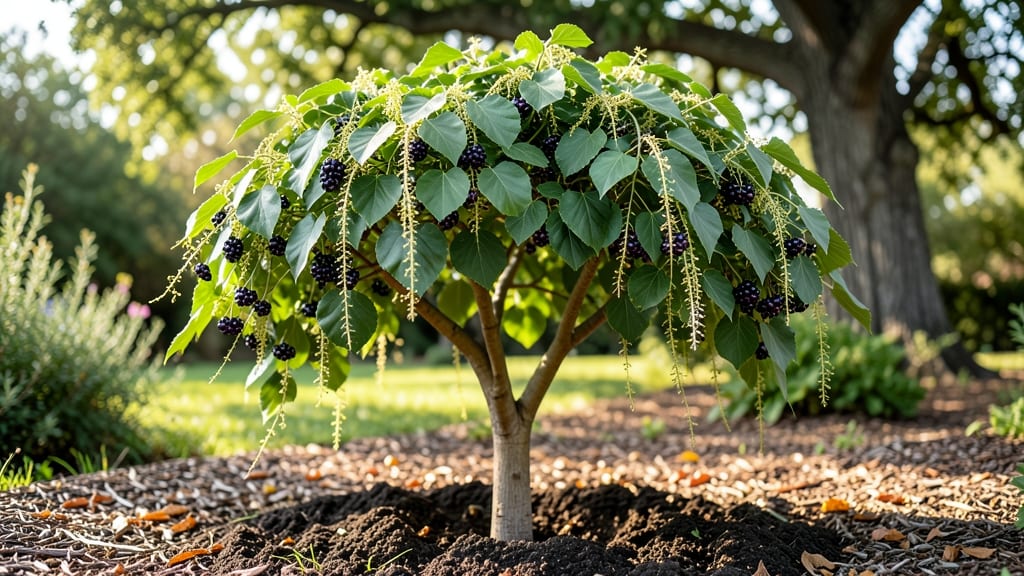
A dwarf mulberry tree grows how tall does a dwarf mulberry tree grow between 6 and 12 feet at maturity, making it the perfect compact choice for small yards or urban spaces where space is limited.
If you love mulberries but lack the space for a towering tree, dwarf mulberry varieties offer the same delicious fruit without the overwhelming height—often reaching just a fraction of their wild counterparts.
Understanding their height range is key to choosing the right variety for your garden. Some, like 'Illinois Everbearing,' stay under 8 feet, while others like 'Purple Leaf' can reach closer to 12 feet.
In this guide, I’ll break down how to select the best dwarf variety, care for it to maintain its size, and even grow it in containers for maximum flexibility.


Dwarf mulberry tree height guide: exact growth ranges by variety
When choosing a dwarf mulberry tree for your garden, size matters—especially if you're working with limited space. These compact varieties can reach anywhere from 6 to 12 feet at maturity, but some stay under 6 feet with proper care.
The key difference lies in the variety, as some are bred specifically for smaller spaces while others may grow taller if unpruned. Let’s break down the exact height ranges for popular dwarf mulberries so you can pick the perfect fit for your yard.
Most dwarf mulberry trees grow at a steady pace, gaining 1 to 2 feet per year in their first few years. However, their final height depends heavily on the variety and how aggressively you prune.
For example, the 'Illinois Everbearing' variety typically stays under 8 feet, while 'Texas Improved' can reach closer to 10 feet if left unchecked. Understanding these growth patterns helps you plan for spacing and maintenance from day one.
Here’s a quick comparison of the most popular dwarf mulberry varieties and their mature heights:
| Variety | Mature Height Range | Growth Rate (First 3 Years) | Ideal Spacing (In-Ground) |
|---|---|---|---|
| 'Illinois Everbearing' | 6–8 feet | 1–1.5 feet/year | 8–10 feet from structures |
| 'Purple Leaf' | 8–10 feet | 1.5–2 feet/year | 10–12 feet from structures |
| 'Texas Improved' | 10–12 feet | 2–2.5 feet/year | 12–15 feet from structures |
| 'Black Beauty' | 6–8 feet | 1–1.5 feet/year | 8–10 feet from structures |
| 'Golden Rain' | 8–10 feet | 1.5–2 feet/year | 10–12 feet from structures |
The 'Illinois Everbearing' and 'Black Beauty' varieties are the best choices if you’re aiming for a tree under 6 feet. Both are naturally compact and produce abundant fruit without taking over your garden.
Meanwhile, 'Texas Improved' and 'Golden Rain' can grow taller but are still considered dwarf varieties compared to standard mulberry trees, which can reach 20–30 feet. If you’re planting near a fence or patio, stick to the 6–8 foot varieties to avoid overcrowding.
For the first 5 years, your dwarf mulberry will focus on establishing its root system and branches.
Here’s a rough growth timeline to help you visualize progress: - Year 1: 3–5 feet tall (focus on root development) - Year 2: 6–8 feet tall (rapid branch growth) - Year 3: 8–10 feet tall (canopy fills in) - Year 4–5: Reaches mature height (pruning may be needed to control size) Regular pruning in late winter or early spring can keep even the taller varieties under control, ensuring they stay within your desired height limits.
If you’re growing your dwarf mulberry in a container, expect slightly slower growth due to root restrictions. A 15–20 gallon pot is ideal for varieties like 'Illinois Everbearing', while larger containers (25+ gallons) work better for 'Texas Improved'.
Container-grown trees may max out at 5–7 feet if pruned regularly, making them perfect for balconies or small patios. Just be sure to repot every 2–3 years to accommodate root growth.
Proper spacing is critical for dwarf mulberries, even in small gardens. Plant at least 8 feet away from buildings, fences, or other trees to allow for airflow and future growth. If you’re planting multiple trees, space them 10–12 feet apart to prevent overcrowding.
This spacing also makes it easier to harvest fruit and prune branches without risking damage to nearby structures or plants.
One common mistake gardeners make is assuming all dwarf mulberries stay under 6 feet. While some varieties like 'Illinois Everbearing' naturally stay compact, others like 'Texas Improved' can grow taller if not pruned.
To maintain the ideal height, prune in late winter or early spring by removing 1/3 of the oldest branches and shaping the canopy. This encourages bushier growth and keeps the tree at a manageable size.
Whether you’re growing your dwarf mulberry in the ground or a container, understanding its height potential helps you plan for years of delicious fruit without sacrificing garden space. With the right variety and care, you can enjoy a compact, productive tree that fits perfectly in your landscape.
How to maximize compact growth: pruning and care tips for dwarf mulberries
Keeping your dwarf mulberry tree under 6 feet requires strategic pruning and consistent care. Without proper maintenance, even compact varieties can outgrow their intended space, turning your small garden into a berry-filled jungle. The key is understanding when and how to prune, along with seasonal adjustments that encourage controlled growth.
Most dwarf mulberries naturally stay between 6–10 feet at maturity, but aggressive pruning can maintain them at 4–6 feet—ideal for urban yards or container growing. Start with formative pruning in the first year to establish a strong structure, then shift to maintenance pruning annually.
Timing matters: prune too late, and you risk stunting fruit production; prune too early, and you may encourage excessive new growth.
- 🌱 Late Winter (Feb–March): Prune dead or crossing branches to open the canopy. Remove 1/3 of old wood to encourage new growth.
- 🌿 Early Spring (April): Shape the tree by cutting back overly long branches to maintain height. Aim for a balanced, open center for airflow.
- ☀️ Summer (June–July): Lightly trim new shoots to redirect energy to fruit production. Avoid heavy pruning during peak growth.
- ✂️ Fall (October): Remove suckers and water sprouts to prevent overcrowding. Prune only if necessary—avoid heavy cuts this season.
- 🌡️ Winter (Dec–Jan): Inspect for damaged branches from frost and prune as needed. Apply mulch around the base to protect roots.
Seasonal care adjustments are just as critical as pruning. In spring, focus on fertilizing lightly (use a 10-10-10 balanced fertilizer) to support new growth, but avoid overfeeding, which can lead to excessive foliage at the expense of fruit.
During summer, prioritize deep watering (1–2 gallons per week) to prevent stress, which can trigger uncontrolled growth spurts.
Common mistakes that cause overgrowth include pruning at the wrong time (e.g., mid-summer) or ignoring suckers that emerge from the base. These aggressive shoots can quickly overtake your tree’s height if left unchecked.
Another pitfall is over-pruning in a single session, which stresses the tree and may lead to reduced fruit yield the following year. Instead, spread pruning tasks across multiple sessions to minimize shock.
For container-grown dwarf mulberries, pruning becomes even more critical. Since roots are confined, the tree may grow taller but weaker without regular maintenance. Use support stakes if needed, and prune 10–15% of the canopy annually to encourage bushier growth.
Remember, patience is key—dwarf mulberries respond best to gradual adjustments rather than drastic cuts.
With the right approach, your dwarf mulberry will stay under 6 feet while producing abundant fruit for years. Start with late-winter pruning, monitor growth throughout the season, and adjust as needed. Soon, you’ll have a perfectly proportioned tree that fits your space without sacrificing productivity. 🌳