
Container Gardens
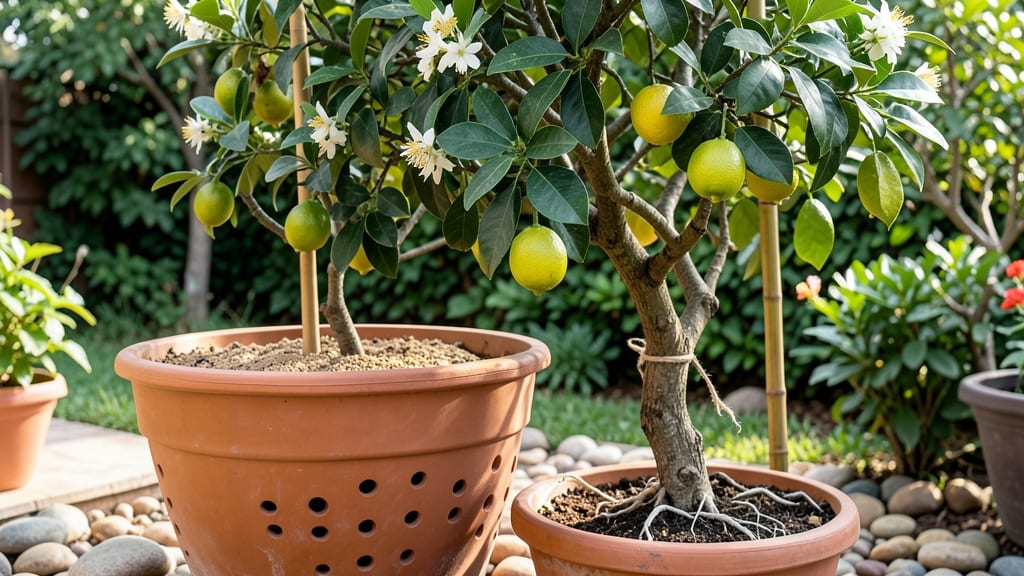
A growing Meyer lemon tree in a pot could turn your kitchen into a Mediterranean paradise by next spring—no backyard required. I’ve watched mine bear fruit indoors since last winter, and the process is simpler than you’d think, especially with the right pot and soil.
The key is choosing a 15-20 gallon container with drainage holes and a well-draining mix of potting soil and perlite. Meyer lemons need 6+ hours of sunlight daily, so a south-facing window or grow light works for indoor growing.
Water when the top inch of soil feels dry, and fertilize monthly with citrus-specific food during growing seasons. You’ll start seeing buds within a year, and with proper care, your tree could produce dozens of fragrant, sweet lemons annually.
The first harvest is the most exciting part—imagine fresh lemonade from your own tree, even in an apartment. Adjust care for seasons: move outdoors in summer for more sun and bring it back inside before temps drop below 40°F.
Root-bound trees need repotting every 2-3 years, and pruning keeps them manageable. Let’s get growing!
📚 In This Guide
- What you need
- Instructions
- Tips and common mistakes
- Wrapping up and next steps
What you need
- ● Pot: A container at least 18-24 inches in diameter and depth with drainage holes. Opt for terracotta, ceramic, or high-quality plastic (5-gallon size or larger for mature trees).
- ● Well-draining soil: A mix of 50% potting soil, 30% perlite or pumice, and 20% compost (or a pre-made citrus blend). Avoid garden soil—it compacts and suffocates roots! 🚫
- ● Meyer lemon tree: A healthy nursery-grown sapling (3-6 inches tall) or a mature tree (if repotting). Choose a container-grown variety for easier transition.
- ● Drainage tray or saucer: To catch excess water and prevent root rot.
- ● Fertilizer: A balanced citrus fertilizer (6-6-6 or 8-3-9 NPK ratio) or organic options like fish emulsion or citrus-specific granules. Apply every 4-6 weeks during growing season.
- ● Watering can with a rose attachment: For gentle, deep watering (avoid overhead spraying to prevent fungal issues).
- ● Pruning shears: Sharp, sterilized shears for trimming dead branches or shaping the tree.
- ○ Support stake or trellis (optional but helpful): As the tree grows, a 3-4 foot stake or lightweight trellis can provide stability.
- ● Sunlight: 6-8 hours of direct sunlight daily. A south- or west-facing spot (or under grow lights in winter) is ideal.
- ● Temperature: Meyer lemons thrive in 60–85°F (15–30°C). Protect from frost (below 30°F/-1°C) with a frost cloth or move indoors.
- ● Humidity: Mimic their native Mediterranean environment with 40–60% humidity. Use a humidifier or pebble tray if your air is dry.
- ● Self-watering pot: Reduces maintenance (great for busy gardeners!).
- ● Citrus food or micronutrients: Boosts flavor and health (e.g., Epsom salt for magnesium).
- ● Mulch: A layer of straw or bark chips to retain moisture and regulate soil temp.
- ● Grow lights: LED full-spectrum bulbs for winter or low-light spaces.
- ● Pest control: Neem oil or insecticidal soap (preventative measure for aphids/spider mites).
Step-by-step instructions for growing Meyer lemon trees in pots
Here’s how to nurture a thriving Meyer lemon tree indoors or on your patio—no greenhouse required.
🌱 Step 1: Choose the Right Pot and Drainage
Start with a pot that’s at least 12 inches wide and deep—Meyer lemons need room for roots to spread. I always pick containers with multiple drainage holes to prevent soggy soil, which rots roots faster than you’d think. If your pot lacks drainage, drill holes yourself or place it inside a saucer with pebbles to catch excess water.
Terracotta pots work best because they breathe, but plastic holds moisture longer if you struggle with overwatering. Whatever you choose, make sure it’s slightly larger than the current root ball—too much empty space causes moisture issues. I like to add a 2-inch layer of gravel or broken pottery at the bottom for extra drainage.
☀️ Step 2: Use Well-Draining Soil and Plant Correctly
Fill the pot with a mix of 50% potting soil, 30% perlite, and 20% compost—this keeps roots aerated while providing nutrients. Avoid garden soil; it compacts and suffocates roots. Gently remove the lemon tree from its nursery pot and loosen the roots if they’re circling.
Place the tree in the center of the pot, then fill around the roots with your soil mix, pressing lightly to remove air pockets. Leave 1 inch of space between the soil surface and the pot rim—this prevents overflow when watering. After planting, water thoroughly until water runs out the drainage holes, then let it drain completely.
💧 Step 3: Water and Feed for Healthy Growth
Water your Meyer lemon when the top 2 inches of soil feel dry—stick your finger in to check. Overwatering is the #1 killer of potted citrus, so I always err on the side of underwatering. In winter, when growth slows, reduce watering to every 2-3 weeks. A moisture meter helps if you’re unsure.
Feed your tree every 4-6 weeks with a balanced citrus fertilizer (like 6-6-6) during spring and summer. In fall and winter, switch to a low-nitrogen fertilizer (like 3-6-6) to encourage blooming. I also sprinkle Epsom salt (1 tablespoon per gallon of water) monthly to boost magnesium—lemon trees love it.
✂️ Step 4: Prune and Position for Maximum Fruit
Prune your tree in late winter or early spring before new growth starts. Remove any dead, crossing, or inward-growing branches with clean, sharp shears. I also trim back leggy growth to encourage bushier shape—this leads to more flowers and fruit. Never prune more than 1/3 of the tree at once.
Place your pot in bright, indirect light (like a south or west-facing window) for at least 6 hours daily. If leaves yellow or stems stretch, your tree needs more light. A grow light works in a pinch, but natural sunlight is best. Rotate the pot quarter-turn weekly so the tree grows evenly.
🍋 Step 5: Harvest and Overwinter for Next Year
Lemons ripen 6-12 months after flowering, depending on conditions. Pick them when they’re fully yellow and slightly soft to the touch. Twist gently—they should come off easily. Store unripe fruit at room temperature to finish ripening; refrigerate ripe ones for longer shelf life.
In winter, when temperatures drop below 40°F, move your tree indoors near a sunny window. Reduce watering and fertilizing, but keep the soil slightly moist. This resting period helps the tree rebound for next year’s bloom. With care, your Meyer lemon can live—and fruit—for decades!
Tips & tricks for growing thriving Meyer lemon trees in pots
Even small spaces can yield big rewards—here’s how to keep your Meyer lemon tree lush and productive.
Soil Mix Matters: That 50-30-20 ratio of potting soil, perlite, and compost isn’t just arbitrary—it’s designed to mimic the Mediterranean conditions Meyer lemons love. If you notice water pooling on top after watering, your mix might need more perlite. I’ve found adding a handful of orchid bark to the mix helps retain moisture without suffocating roots, especially in hotter months.
Lighting Hacks: The 6 hours of bright, indirect light requirement can be tricky indoors. If your windowsill doesn’t get enough sunlight, supplement with a full-spectrum grow light for 4-6 hours daily. Place the light about 6-12 inches above the tree and keep it on a timer—consistency matters more than intensity. I’ve seen trees thrive with just 3 hours of natural light plus 3 hours of grow light.
Pruning Precision: When you’re trimming those leggy branches in Step 4, cut just above a leaf node where new growth can emerge. Avoid cutting flush with the trunk—this creates wounds that take forever to heal. I always sterilize my pruners with rubbing alcohol between cuts to prevent disease spread. And remember: the 1/3 rule isn’t just about quantity—it’s about timing too. Spread pruning over two sessions if needed.
Winter Care: That 40°F threshold isn’t just about moving your tree indoors—it’s about preventing cold shock. If you’re bringing it inside, do it gradually over 3-4 days to acclimate. Place a humidity tray (pebbles + water) near the tree to combat dry indoor air. I’ve noticed my trees bloom more heavily after a proper winter rest, so don’t rush to resume fertilizing until you see new growth in spring.
Pro Tips for Growing Meyer Lemon Tree In A Pot
- Even small spaces can yield big rewards—here’s how to keep your Meyer lemon tree lush and productive.
- Soil Mix Matters: That 50-30-20 ratio of potting soil, perlite, and compost isn’t just arbitrary—it’s designed to mimic the Mediterranean conditions Meyer lemons love.
- Lighting Hacks: The 6 hours of bright, indirect light requirement can be tricky indoors.
Frequently asked questions
Got questions about growing your Meyer lemon tree in a pot?
You’re not alone! Here are answers to the most common concerns—from care tips to troubleshooting—so you can keep your citrus thriving year-round.
How cold can a potted Meyer lemon tree handle?
A Meyer lemon tree thrives in USDA Zones 9-11 but can survive brief dips to 25°F (-4°C) if potted. For colder climates, move it indoors near a sunny window or use frost cloth. Pro tip: Avoid sudden temperature swings, which stress the tree.
How often should I water my potted Meyer lemon tree?
Water when the top 1-2 inches of soil feel dry—typically every 5-7 days in summer or every 2-3 weeks in winter. Overwatering is riskier than underwatering; ensure pots have drainage holes to prevent root rot.
Why isn’t my Meyer lemon tree producing fruit?
Lemons need full sun (6+ hours/day), proper fertilization (citrus-specific or balanced 6-6-6), and time—2-3 years for first fruit. Check for pests (aphids, spider mites) or nutrient deficiencies (yellow leaves = nitrogen; brown spots = potassium). Patience and consistency pay off!
Can I grow a Meyer lemon tree in a small pot?
Yes! Start with a 5-gallon pot and upgrade to 15+ gallons as the tree grows. Use well-draining soil (cactus/succulent mix + perlite) and prune roots if they circle the pot. Just ensure the pot is at least 12 inches deep for stability.
What should I do if my Meyer lemon tree’s leaves turn yellow?
Yellow leaves often signal overwatering, nutrient deficiency, or pests. Adjust watering, fertilize with citrus food, and inspect leaves for mites or scale. If the yellowing is on older leaves, it’s normal aging—but new leaves should stay green!
How do I prune a potted Meyer lemon tree?
Prune in late winter/early spring to shape the tree and encourage airflow. Remove dead/diseased branches, trim back overly leggy growth, and cut just above a leaf node. Avoid heavy pruning—Meyer lemons fruit on new growth!
Wrapping up and next steps
Growing a Meyer lemon tree in a pot is a rewarding journey that brings fresh, sweet-tart lemons to your doorstep—no yard required! 🌱 With the right container, sunlight, and care, you’ll enjoy year-round harvests and the joy of nurturing a thriving citrus plant.
Whether you’re a beginner or a seasoned gardener, this adaptable tree proves that big flavors grow in small spaces.
Ready to take the next step? Start by choosing your pot and planting your tree this weekend—your future lemons (and happy neighbors!) will thank you. 🍋✨