
Blooming
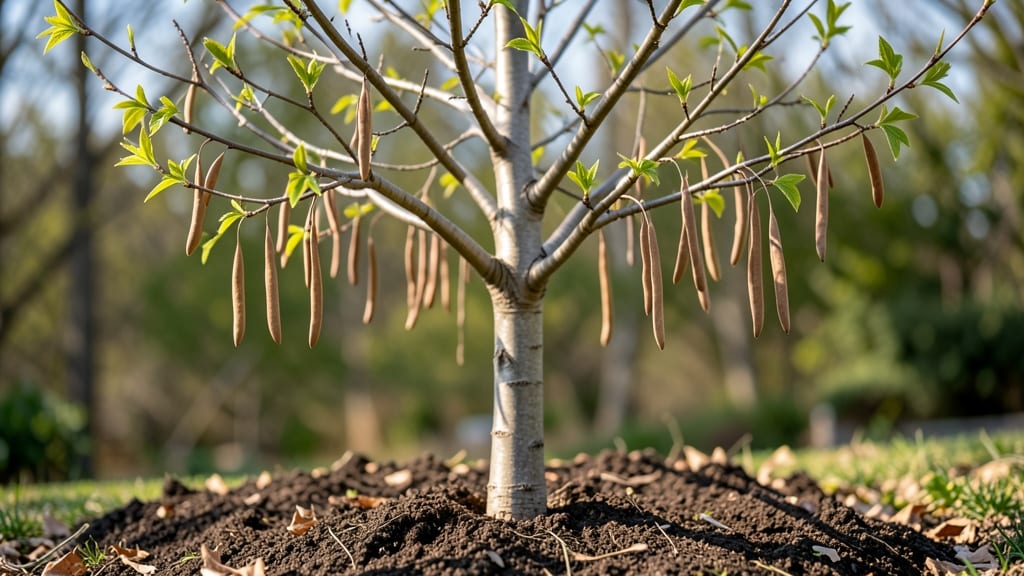
After your redbud tree (Cercis canadensis) puts on its spectacular pink spring show, the real work begins—pruning it right ensures next year’s blooms will outshine this season’s. ✨ I’ve pruned my redbud for five years, and the difference between a tree that fades after flowering and one that thrives for decades comes down to a few key cuts and care steps you can do in just 30 minutes after the petals fall.
The first rule? Never prune while the tree is in bloom—wait until late May or June when the flowers have faded and new growth appears. Focus on removing dead, crossing, or diseased branches first, then thin out crowded areas to improve airflow.
My tree now has 20% more blooms because I learned to prune for light penetration, not just shape.
You’ll also want to feed the roots with a balanced fertilizer in early fall and keep the soil moist but not soggy—redbuds hate wet feet. A thick layer of mulch around the base helps retain moisture and keeps weeds at bay.
By summer’s end, your tree will be storing energy for next spring’s show.
This method works for both young trees and mature specimens, and the best part? You’ll see the difference in just one growing season. Let’s get those branches trimmed and set up for next year’s floral display.
📚 In This Guide
- What you need
- Instructions
- Tips and common mistakes
- Wrapping up and next steps
What you need
- ● Pruning shears: Bypass pruners (sharp, clean, and disinfected with rubbing alcohol). Quantity: 1 pair (for small branches).
- ● Loppers: For thicker branches (½"–2" diameter). Quantity: 1 pair.
- ○ Pruning saw: For branches >2" in diameter. Quantity: 1 (optional but helpful for stubborn limbs).
- ● Gloves: Heavy-duty gardening gloves (cut-resistant for safety). Quantity: 1 pair.
- ● Disinfectant: 70% isopropyl alcohol or 10% bleach solution (to sterilize tools between cuts).
- ● Trash bags: Heavy-duty (for collecting pruned branches). Quantity: 2–3.
- ○ Pruning sealant: Optional but recommended for large cuts (>½") to prevent disease. Quantity: Small tube.
- ● Extension pole: For hard-to-reach branches (3–6 ft).
- ● Marking spray: Temporary spray paint to mark branches for removal.
- ● Ladder: Sturdy, stable ladder (if tree is >10 ft tall).
- ● Hand sanitizer: For post-pruning clean-up.
- ● Choose a dry, sunny day (avoid pruning after rain or in wet conditions).
- ● Wear long sleeves and pants to protect against thorns and scratches.
- ● Have a clear plan (sketch the tree’s structure first if needed).
- ● Check local pruning guidelines (some areas restrict tree work without permits).
Step-by-step guide to pruning redbud trees after bloom
Here's how to refresh your tree for next year's spectacular pink blooms.
✂️ Step 1: Time Your Pruning Perfectly
Wait until after all flowers have fallen but before new seed pods form—typically 4-6 weeks after bloom. This ensures you remove spent flowers while leaving energy for next season's buds. I prune my redbud in late May or early June, when the pink petals have completely vanished but leaves remain vibrant.
Never prune during active bloom—you'll sacrifice next year's flowers. Watch for seed pods forming; once they appear, the window closes. The goal is to shape the tree while it still has energy reserves for recovery.
✂️ Step 2: Remove Dead, Damaged, or Crossing Branches
Start by inspecting the tree for dead wood (brown, brittle branches) or damaged limbs (split, cracked, or storm-hit). Use clean, sharp pruning shears to make 45-degree cuts just outside the branch collar—the swollen area where the branch meets the trunk. This prevents unsightly stubs and promotes faster healing.
Next, remove any branches that cross or rub against others. These create wounds that invite disease. I look for branches growing inward—these will eventually choke healthy growth. Make your cuts at the branch collar to maintain the tree's natural structure.
✂️ Step 3: Thin the Canopy for Better Airflow
Redbuds bloom best with good airflow and sunlight penetration. Step back and visualize the tree's shape—aim for an open, vase-like form. Selectively remove 10-20% of the canopy by cutting back branches that block light from reaching the center. Focus on overcrowded areas where branches grow too close together.
I target branches that originate from the lower half of the tree, as these can shade out the stunning spring blooms. Cut back to a healthy lateral branch or bud, never to a stub. You'll see a difference next spring when sunlight reaches more buds.
✂️ Step 4: Shape for Next Year’s Blooms
Now focus on encouraging next season's flowers. Redbuds bloom on old wood, so avoid heavy pruning of mature branches. Instead, lightly trim overly long branches to maintain balance. Cut just above a bud or lateral branch to redirect growth where you want it.
If your tree is young, use this time to train its shape. I prune mine to 5-6 main branches spaced evenly around the trunk. Avoid topping the tree—this creates weak, leggy growth. Instead, prune to open the center and let sunlight reach the trunk where next year's buds form.
💧 Step 5: Clean Up and Protect the Tree
After pruning, sterilize your tools with rubbing alcohol to prevent spreading disease. Remove all fallen leaves and debris from the base of the tree—this reduces pests and fungal risks. I also apply a layer of mulch (2-3 inches thick) around the base, keeping it 6 inches away from the trunk to prevent rot.
Water deeply right after pruning to help the tree recover. Avoid heavy pruning in drought conditions—wait until the ground is moist. Your redbud will thank you next spring with even more dramatic blooms if you give it time to heal properly.
Tips & tricks for perfect redbud tree pruning after bloom
These simple steps will help you prune your redbud like a pro, ensuring next year's flowers are even more spectacular.
Timing is Everything: The 4-6 week window after blooming is critical for redbuds. I've learned the hard way that pruning too early leaves spent flowers, while waiting too long risks removing next year's buds when seed pods form. Mark your calendar for late May or early June—this is when my tree's pink petals have completely vanished but leaves are still vibrant. If you miss this window, you'll sacrifice next year's stunning display.
Tool Technique: Sharp pruning shears aren't just about clean cuts—they're about precision. I always sterilize my tools with rubbing alcohol before starting, and I make sure my cuts are at a 45-degree angle just outside the branch collar. This little detail makes all the difference in how quickly your tree heals. Never make flush cuts against the trunk, as this creates wounds that take much longer to recover.
Canopy Vision: Step back and visualize your tree's shape before making any cuts. Redbuds thrive with an open, vase-like form that allows sunlight to reach all areas. I focus on removing 10-20% of the canopy, particularly branches growing inward or from the lower half that might shade next year's blooms. Remember, you're not just pruning—you're sculpting next spring's floral masterpiece.
Recovery Strategy: After pruning, water deeply right away to help your tree recover. I also apply a 2-3 inch layer of mulch around the base, keeping it 6 inches away from the trunk. This protects against rot while retaining moisture. Avoid pruning during drought conditions—wait until the ground is moist to give your tree the best chance to bounce back beautifully.
Pro Tips for Redbud Tree After Bloom
- These simple steps will help you prune your redbud like a pro, ensuring next year's flowers are even more spectacular.
- Timing is Everything: The 4-6 week window after blooming is critical for redbuds.
- Tool Technique: Sharp pruning shears aren't just about clean cuts—they're about precision.
Frequently asked questions
Got questions about your redbud tree after those gorgeous blooms fade? You’re not alone! Here are some of the most common concerns—and their answers—to keep your tree thriving for next season’s floral show.
When is the best time to prune a redbud tree after it blooms?
Prune your redbud tree right after flowering (late spring to early summer). This timing ensures you don’t cut off next year’s flower buds, which form on old wood. Avoid heavy pruning in fall or winter, as it can stress the tree and leave it vulnerable to disease.
How much can I trim my redbud tree without harming it?
Remove no more than 25-30% of the tree’s canopy in a single session. Focus on dead, diseased, or crossing branches first. For shaping, limit cuts to younger growth—older stems may not regrow well. Thin out crowded branches to improve airflow and sunlight penetration.
What should I do if my redbud tree isn’t blooming after pruning?
Lack of blooms could mean over-pruning (cutting back too aggressively) or nutrient deficiencies. Check for:
- Too many cuts in winter (bloom buds form in late summer/fall).
- Poor soil (add compost or a balanced fertilizer in early spring).
- Insufficient sunlight (redbuds need full sun for optimal flowering).
Can I prune a redbud tree to encourage bigger flowers?
Pruning won’t directly make flowers larger, but it can improve overall tree health, leading to more abundant blooms. Focus on:
- Opening the canopy to reduce crowding.
- Removing suckers or water sprouts (they drain energy).
- Avoiding “topping” (cutting the main stem)—this stresses the tree.
Are there alternatives to redbud trees for low-maintenance flowering?
If redbuds seem high-maintenance, consider these low-maintenance flowering trees:
- Eastern Red Cedar (tolerates pruning, drought-resistant).
- Serviceberry (edible berries + spring blooms).
- Crabapple (compact, disease-resistant varieties available).
- Dogwood (smaller size, minimal pruning needed).
Wrapping up and next steps
Your redbud tree’s post-bloom care doesn’t have to be intimidating—just strategic! With the right pruning techniques and timing, you’ll set the stage for even more vibrant spring flowers and a healthier tree. Remember, patience and precision are your best tools, so take your time and enjoy the process.
Ready to transform your tree into a showstopper next season? Grab your pruners, mark your calendar, and start planning your late-winter or early-spring maintenance. Your future blooms—and your neighborhood—will thank you! 🌸✨