
Pruning
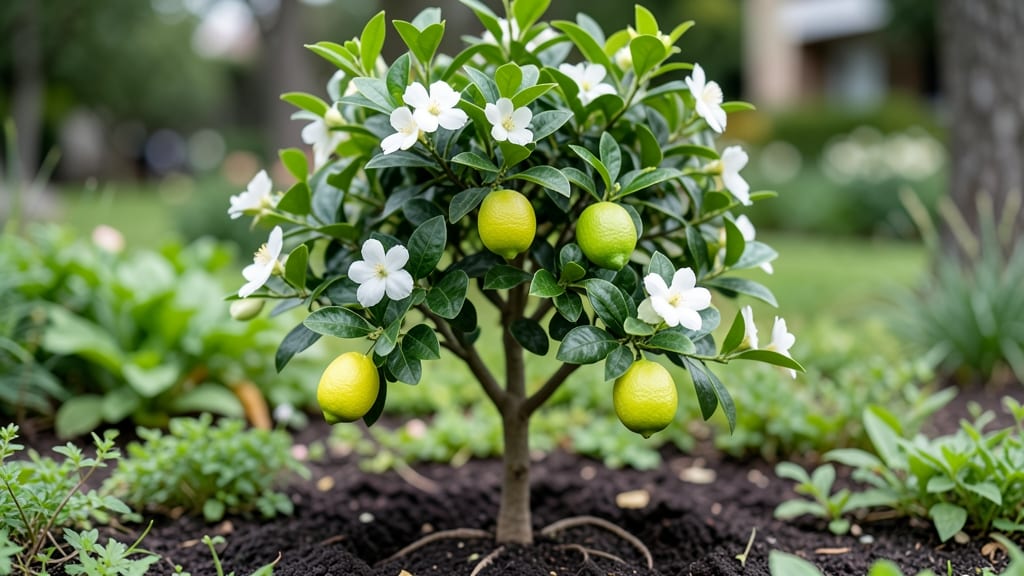
To grow a miniature lemon tree indoors, provide it with bright indirect sunlight for at least 6 hours daily, use well-draining citrus soil, and prune regularly to promote fruit production. A 6-8 inch pot works best, water when the topsoil dries, and fertilize monthly with citrus-specific nutrients during spring and summer.
Indoor lemon trees thrive when you mimic their natural Mediterranean environment. 🌿 The key is balancing light exposure—too little causes leggy growth, while direct sun can scorch leaves. I've found that placing your tree near an east-facing window gives the perfect morning light without harsh afternoon rays.
For those darker spaces, LED grow lights with a full spectrum (especially blue and red wavelengths) can make all the difference during winter months when natural light dwindles.
Don't underestimate the power of proper soil drainage—citrus trees hate soggy roots. A mix of potting soil with perlite or sand creates ideal airflow, while the right-sized pot (6-8 inches) prevents root circling. I recommend upgrading to slightly larger containers every 2-3 years to accommodate growth.
The fertilization schedule matters too: citrus trees need consistent nutrients, but overdoing it can burn roots. Always dilute liquid fertilizers to half-strength unless the label specifies otherwise.
💡 In This Article
- Optimal Light and Temperature for Indoor Lemon Trees
- Step-by-Step Pruning and Fruit-Bearing Techniques
Optimal light and temperature for indoor lemon trees
Lemon trees thrive on a specific light spectrum that mimics their Mediterranean origins. The blue light (400-500 nm) promotes leafy growth, while red light (600-700 nm) triggers flowering and fruiting.
Without enough blue light, your tree will grow tall and leggy with sparse leaves, while insufficient red light means fewer flowers and fruit. South-facing windows provide the best natural light, but east-facing windows work well too—just avoid harsh afternoon sun that can scorch leaves like a sunburn on human skin.
The ideal temperature range for these tropical plants is 60-85°F during the day, with a 10°F drop at night to stimulate flowering.
Below 50°F, growth slows dramatically, and leaves may develop brown edges. 🌡️ In winter, keep your tree away from cold drafts near windows or doors, as sudden temperature swings can shock the plant.
Humidity also plays a role—citrus trees prefer 40-60% humidity, so misting leaves or using a pebble tray helps prevent dry air from causing leaf drop, especially in heated indoor environments.
Signs of light deficiency are hard to miss: yellowing leaves (chlorosis) between veins, stems growing weak and stretched, and small, pale new growth.
If you notice these symptoms, move your tree closer to a light source or invest in a full-spectrum LED grow light placed 6-12 inches above the tree for 12-14 hours daily.
I've had success with 15-watt LED bulbs that provide both blue and red wavelengths—just rotate the tree weekly so all sides get even exposure. During winter, supplementing with grow lights can double your tree's fruit production compared to natural light alone.
Temperature extremes cause stress that manifests in different ways.
Too hot (above 90°F) leads to leaf drop and flower abortion, while too cold (below 55°F) stunts growth and weakens the tree's immune system. 🌿 The key is consistency—keep your tree in a stable environment, away from heating vents and air conditioning drafts.
If you must move it seasonally, do so gradually over 3-5 days to avoid shocking the plant. A simple trick is to place your tree on a saucer filled with water and pebbles to increase humidity naturally without overwatering the soil.
For those in apartments with limited natural light, a south-facing window with a sheer curtain provides the best balance of brightness and indirect light. If that's not an option, a grow light on a timer becomes essential. I recommend the Samsung LM301B LED bulb—it's energy-efficient and replicates sunlight's spectrum perfectly.
Place it 8-10 inches above the tree for 14 hours daily during winter months. The cost is higher upfront, but it pays off in healthier growth and more abundant flowering compared to cheap fluorescent bulbs that lack the right wavelengths.