
Leaf Blower
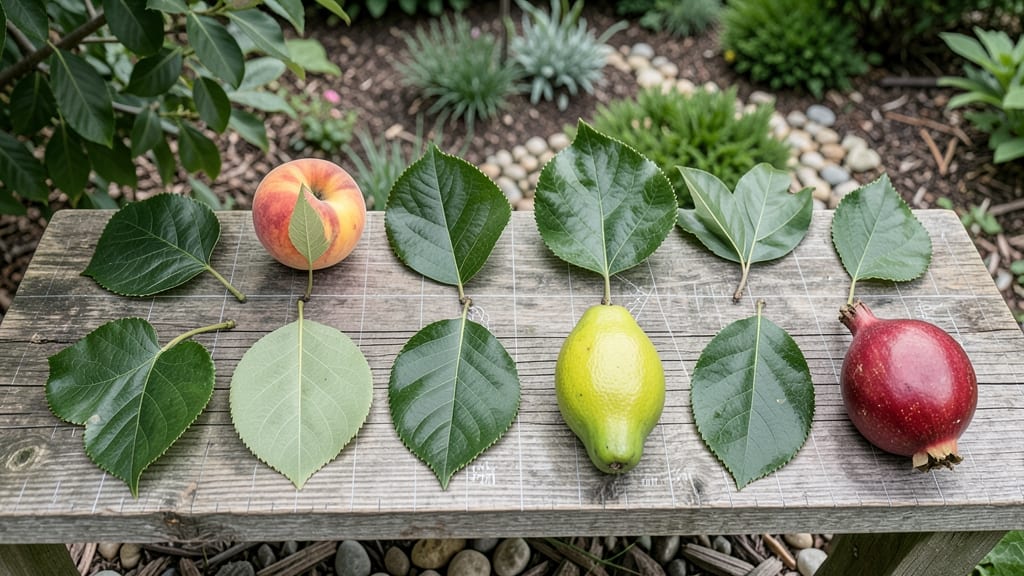
Fruit tree identification by leaf is like reading nature’s fingerprint—each shape, vein, and edge tells a story. 🌿 I’ve spent years studying how apple, peach, and citrus leaves differ, and once you learn these details, you’ll spot the trees in your neighborhood (or your own yard) with confidence. Start with the basics: leaf edges (smooth, serrated, or lobed), vein patterns (prominent or fine), and overall shape (oval, elongated, or broad). A peach tree’s fuzzy underside or citrus’s glossy sheen gives it away instantly. Seasonal changes—like fall’s fiery reds or spring’s fresh greens—add extra clues. Knowing your trees matters for everything from pruning to pest control. A misidentified apple tree could mean the wrong fertilizer, while spotting a citrus early helps prevent frost damage. This guide turns leaf-peeping into a skill that protects your orchard. We’ll cover the most common fruit trees, with visual tips to compare side by side. No more guessing—just clear, foolproof identification that works year-round.
Nature’s Hidden Leaf Clues
Identifying fruit trees by their leaves isn’t just a gardener’s trick—it’s a biological puzzle shaped by evolution, environment, and the tree’s survival strategies. Leaves aren’t random; they’re finely tuned tools that reveal a tree’s identity through subtle (and sometimes not-so-subtle) traits.
Here’s why leaves look the way they do and how those features help us crack the code.
Leaves aren’t just decorative—they’re engineered for efficiency. Over millions of years, trees have developed distinct leaf shapes, edges, and vein patterns to optimize photosynthesis, water retention, and defense against pests. For example:
- Shape: Broad leaves (like those of apple or pear trees) maximize sunlight capture in temperate climates, while narrow leaves (e.g., citrus) reduce water loss in drier regions.
- Edges: Serrated (toothed) edges, like those on a Prunus (cherry/plum) leaf, create microclimates that deter insects. Smooth edges, common in figs, reduce tear risks in windy conditions.
- Vein Patterns: Pinnate veins (like a feather) in peach trees improve structural support, while palmate veins (like fingers on a hand) in citrus distribute water more evenly.
Pro Tip: 🌡️ Climate is the first clue. Trees in humid forests often have larger, thinner leaves, while arid-zone trees (like pomegranate) sport smaller, waxy, or spiny leaves to conserve moisture.
Leaf characteristics are hardwired into a tree’s genetics, passed down through generations like a family heirloom. Here’s how it works:
- Species-Specific Traits: A Malus domestica (apple tree) will always produce leaves with a distinctive oval shape, fine serrations, and a pointed tip—traits encoded in its DNA. These features are as unique as a fingerprint.
- Hybridization: Crossbreeding (like in some citrus varieties) can create hybrid leaves with mixed traits. For example, a Citrus × limon (lemon tree) might have a leaf shape somewhere between a true lemon and a lime.
- Juvenile vs. Mature Leaves: Young trees often have simpler, smaller leaves (e.g., a sapling peach tree’s leaves might look more like an almond tree’s). As they mature, their leaves develop species-specific complexity.
Pro Tip: ✨ Compare leaves at the same growth stage. A 5-year-old apple tree’s leaves won’t match those of a 50-year-old—juvenile traits can fool even experts!
Leaves aren’t static—they adapt to their environment in real time. Factors like sunlight, soil, and pests can tweak a tree’s leaf appearance, making identification trickier. Here’s how:
| Factor | Effect on Leaves | Example |
|---|---|---|
| 🌞 Sunlight | More sun = thicker, smaller leaves with waxy coatings to prevent water loss. | A Prunus persica (peach tree) in full sun will have darker, tougher leaves than one in shade. |
| 💧 Water Availability | Drought stress = curled, leathery, or reduced leaf size. | A Citrus × aurantium (bitter orange) in a dry climate may have thicker, glossier leaves than its rainforest cousin. |
| 🐛 Pests/Disease | Insects or fungi can cause deformed edges, spots, or unusual patterns. | Mite damage on a Pyrus communis (pear tree) might make leaves look puckered or stippled, mimicking a different species. |
| 🌡️ Temperature | Cold snaps can delay leaf development or cause reddish tinting (anthocyanins) for protection. | A Ficus carica (fig tree) in a cool spring may sprout lighter green, lobed leaves before hardening into its classic shape. |
Pro Tip: 🎯 Note the tree’s location. A leaf from a Morus alba (mulberry) in a city might look different than one from a rural orchard due to pollution or soil differences.
Not all leaf variations are natural—human intervention plays a role too. Pruning, grafting, and even fertilizer use can alter leaf appearance:
- Pruning: Heavy pruning can produce larger, softer leaves as the tree redirects energy to regrowth. A Cydonia oblonga (quince tree) might sprout broader leaves after aggressive trimming.
- Grafting: When two trees are grafted (e.g., a Malus scion on a Crataegus rootstock), the scion’s leaves dominate, but rootstock traits can sometimes peek through.
- Fertilizer/Nutrients: Nitrogen-heavy soil leads to darker, larger leaves, while phosphorus deficiency can cause purpling or stunted growth.
Pro Tip: 💡 Check for scars or knots. Graft unions often leave a raised bump or callous where the scion meets the rootstock—this can hint at hybrid origins.
Quick Fixes for Leafy Confusion
Mastering fruit tree identification by leaf doesn’t have to feel like solving a botanical puzzle—especially when you’re staring at a leaf and wondering, "Is this a peach tree or a plum?" The good news?
With the right tools and a little practice, you can turn leaf analysis into a skill that feels as natural as recognizing a friend’s handwriting. Here’s how to tackle common challenges and keep your identification game sharp.
Problem: Leaves from different fruit trees can share similarities—smooth edges here, similar vein patterns there—leaving you scratching your head.
Solutions:
- Compare Multiple Leaves 🌿
- Don’t rely on a single leaf! Fruit trees often have variations in leaf shape, size, or texture on the same branch. Collect 3–5 leaves from different parts of the tree for a clearer picture.
- Pro Tip: 💡 Look for consistency in features like serration (teeth) size, leaf base shape (heart-shaped, wedge-shaped, etc.), and overall symmetry.
- Check the Twig and Buds 🌱 - Leaves aren’t the only clues. Examine the twigs (are they hairy or smooth?) and buds (are they pointed, rounded, or clustered?).
For example: - Peach trees often have fuzzy twigs and large, pointed buds. - Apple trees typically have smooth twigs with smaller, rounded buds. - Quick Fix: 🔥 Snap a photo of the leaf and the twig—side by side—for easier comparison later.
- Use a Field Guide or App 📱 - If you’re still stuck, lean on technology! Apps like PictureThis or LeafSnap let you upload a photo of the leaf for instant ID.
For a no-tech option, carry a printed field guide (like the National Audubon Society Field Guide to North American Trees) for quick reference. - Prevention Tip: ✨ Bookmark a few reliable tree ID resources on your phone so you’re never without help.
Problem: Leaves change shape, color, and texture throughout the year—new growth in spring looks different from mature leaves in summer, and fall brings a whole new set of challenges.
Solutions:
- Focus on Key Features Year-Round 📊
- Some traits stay consistent regardless of the season:
- Leaf arrangement (alternate vs. opposite).
- Margin type (smooth, serrated, lobed).
- Vein pattern (pinnate vs. palmate).
- Example: A cherry tree leaf is always simple (one blade) and has finely serrated edges, even when it’s wilted in autumn.
- Some traits stay consistent regardless of the season:
- Learn the "Signature" Leaf 🍎 - Every fruit tree has a signature leaf—a defining trait that sticks out.
For instance: - Citrus trees (like oranges or lemons) have leathery, glossy leaves with no teeth. - Fig trees often have lobed or deeply divided leaves. - Pro Tip: 🌡️ Memorize 1–2 signature traits per tree to build your muscle memory.
- Track Changes with a Journal ✍️
- Keep a simple notebook or digital log of leaves you’ve identified, noting:
- The date you observed them.
- Seasonal changes (e.g., "Spring leaves are lighter green and smoother").
- Any surprises (e.g., "This pear tree’s leaves turned red in fall!").
- Prevention Tip: 📅 Plan to revisit the same trees in different seasons to spot patterns.
- Keep a simple notebook or digital log of leaves you’ve identified, noting:
Problem: In orchards or mixed plantings, branches from different trees can intertwine, making it tricky to match leaves to the right tree.
Solutions:
- Trace the Branch Back to the Trunk 🌳
- Follow the branch all the way to the trunk to confirm which tree you’re dealing with. Look for:
- Bark texture (smooth, rough, scaly).
- Tree shape (round, spreading, upright).
- Quick Fix: 🔥 If you’re in a public space, ask a local or park ranger—they often know the layout!
- Follow the branch all the way to the trunk to confirm which tree you’re dealing with. Look for:
- Look for Fruit (If Available) 🍑
- Fruit can be a dead giveaway! Even if the leaves are confusing, the fruit’s shape, color, or scent can point you in the right direction.
- Example: A plum is oval with a pit, while a peach is fuzzy and rounder.
- Use a Flashlight for Night ID 🔦 - If you’re in a garden or orchard at dusk, shine a flashlight on the leaves.
The contrast can highlight vein patterns or textures that are harder to see in daylight. - Safety Tip: 🌙 Avoid climbing trees at night—stick to ground-level observations!
Problem: You’ve studied the leaves, but when you’re out in the field, your brain goes blank.
Solutions:
- Create Flashcards or Mnemonics 🎯
- Turn leaf traits into easy-to-remember phrases. For example:
- "Apple leaves are like a heart with teeth" (cordate base + serrated edges).
- "Pear leaves are long and lonely" (long, narrow, and often single-stemmed).
- Pro Tip: 💡 Write these on sticky notes and place them where you’ll see them often (e.g., fridge, car dashboard).
- Turn leaf traits into easy-to-remember phrases. For example:
- Practice with "Mystery Leaves" 🕵️♂️ - Challenge yourself with unknown leaves! Grab a handful of leaves from your yard or a park, cover their names, and quiz yourself.
Use a field guide or app to check your answers. - Prevention Tip: ✨ Join a local gardening group or online forum (like r/whatsthisplant on Reddit) to test your skills with real-world examples.
- Teach Someone Else 👩🏫
- Explaining leaf ID to a friend or family member forces you to organize your knowledge clearly. Plus, you’ll retain it better!
- Bonus: 🌟 You might discover new details you’d missed before.
Final Thought: 🌟 The more you practice, the easier it gets. Start with 3–5 common fruit trees in your area, master their leaves, and gradually expand your repertoire. Soon, you’ll be identifying trees like a pro—no second-guessing required!
Frequently asked questions
What are the easiest fruit trees to identify by leaf?
Start with citrus trees—their thick, glossy, toothless leaves are unmistakable. Apple and pear trees are also beginner-friendly: apples have serrated edges and a heart-shaped base, while pears feature long, narrow leaves with smooth edges. These three stand out even for new learners.
Can I identify a fruit tree in winter when there are no leaves?
Yes! Focus on bud shape, bark texture, and branch patterns. Peach trees have fuzzy twigs and large buds, while apple trees show smooth, lenticel-covered bark. Citrus trees often retain small leaves or have distinctive thorny branches. Compare these traits with summer leaves for confirmation.
Why do some leaves look different on the same tree?
Leaf variations happen due to age, light exposure, or pests. Young leaves are often smaller and smoother, while mature ones develop full serrations or lobing. Sunlight can create darker, tougher leaves on exposed branches vs. lighter ones in shade. Always compare multiple leaves from different parts of the tree.
How do I tell the difference between plum and cherry leaves?
Plum leaves are longer, narrower, and slightly fuzzy with sharper serrations, while cherry leaves are shorter, smoother, and have finer teeth. Another clue: cherries often have alternate branching patterns, while plums may show clustered buds. Check the fruit if available—cherries are rounder with smooth skin.
Are there any dangerous trees that look like fruit trees?
Yes! Poison ivy can mimic grapevine leaves (three leaflets), while black walnut has compound leaves similar to hickory. Always check for leaf arrangement (poison ivy's three-leaf clusters) and fruit presence. When in doubt, use a field guide or app to verify before touching.