
Trees
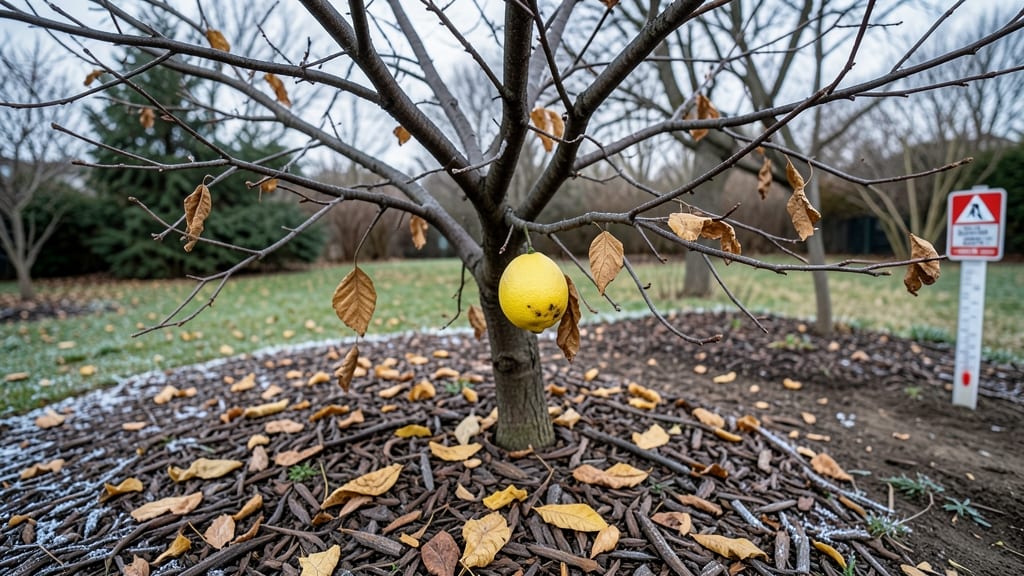
Your lemon tree lost all leaves in winter—don’t panic, this is fixable. 🌿 The culprit is almost always cold stress, but overwatering or pests can make things worse.
I’ve nursed back three lemon trees from total leaf loss, and the key is adjusting care now while protecting the tree for next winter.
Start by cutting back any dead or frost-damaged branches (sterilize your pruners first!), then reduce watering to once every 2-3 weeks unless the soil is bone-dry. Move potted trees indoors if temperatures dip below 40°F, and keep them near a sunny window.
With these simple shifts, you’ll see new growth in 4-6 weeks—just be patient.
📚 In This Guide
- What you need
- Instructions
- Tips and common mistakes
- Wrapping up and next steps
What you need
- ● Pruning shears: Sharp, bypass-style shears (avoid dull tools—they crush stems!). Size: 6–8 inches for precision cuts.
- ● Disinfectant: 70% isopropyl alcohol or a 10% bleach solution (1 part bleach to 9 parts water) to sterilize tools between cuts.
- ● Gloves: Heavy-duty gardening gloves (nitrile-coated for extra protection against sap and thorns).
- ● Rubbing alcohol (70%): Small bottle for quick tool sanitization mid-pruning.
- ○ Pruning saw (optional): Only if branches are thicker than ½ inch—use a folding pruning saw for clean cuts.
- ● Fertilizer: Citrus-specific fertilizer (e.g., 6-6-6 NPK ratio) or a balanced slow-release granular fertilizer (follow package rates).
- ● Mulch: Organic mulch (2–3 inches of shredded bark or straw) to retain moisture and regulate soil temp.
- ● Watering can or hose: With a gentle spray nozzle to avoid damaging new growth.
- ○ Plant food (optional): Seaweed extract or fish emulsion (1 tbsp per gallon of water) for a nutrient boost.
- ● Ladder: Sturdy, extension ladder (if tree is over 6 feet tall). Safety tip: Have a spotter!
- ● Trash bag: Heavy-duty contractor bag (30+ gallon) for pruned branches.
- ● Notebook & pen: To sketch a simple pruning map of cuts made (helps track progress!).
How to revive a lemon tree that lost all its leaves in winter
Don’t panic—this is fixable. Winter leaf drop is common, and with the right pruning and care, your lemon tree can bounce back strong.
🌱 Step 1: Assess the Damage and Prune Dead Wood
First, examine the tree carefully. Look for branches that are completely brown and brittle—they’re dead and need removal. Gently shake each branch; if no leaves or buds remain, it’s time to cut it back. Use clean, sharp pruners to make cuts just above a leaf node or outward-facing bud. This encourages new growth in the right direction.
I always prune on a dry day to avoid spreading disease. If you’re unsure whether a branch is dead, wait a few days—sometimes leaves reappear with warmth. But if it’s truly dead, removing it prevents pests and fungus from moving into the tree.
✂️ Step 2: Thin Out Overcrowded Branches
Next, focus on the remaining branches. Lemon trees often grow dense, which blocks sunlight and air circulation. Thin out any branches that cross or rub against each other—these create wounds where pests can enter. Aim to leave space between branches so light reaches the center of the tree.
I like to step back and visualize the tree’s shape. Remove any branches growing straight inward or downward, as they won’t contribute to a strong structure. Cut these back to a strong outward-facing bud. This step is about balance—your tree should look open and airy, not cluttered.
☀️ Step 3: Encourage New Growth with Strategic Pruning
Now, prune back any leggy or overly long branches by about a third. This might seem drastic, but it stimulates fresh, bushier growth. Focus on the outer third of the tree to encourage a fuller shape. Avoid cutting into old wood—stick to younger, green stems where possible.
After pruning, give the tree a light fertilizer with higher nitrogen content to support new leaf production. Water deeply but avoid soaking the soil—lemons hate soggy roots. Place the tree in a bright spot with indirect sunlight for a few weeks to help it recover before moving it back to full sun.
💧 Step 4: Monitor and Adjust Care for Recovery
Keep an eye on the tree over the next few weeks. New leaves should start appearing within 4-6 weeks if conditions are right. If you notice yellowing leaves, it could mean overwatering or nutrient deficiency—adjust accordingly. Mulch around the base with 2-3 inches of organic mulch to retain moisture and regulate soil temperature.
Here’s the thing—lemons are tougher than they look. With patience, your tree will bounce back. Just avoid heavy pruning again for at least a year, as it needs time to rebuild its energy reserves. Soon, you’ll see fresh green growth, and your tree will be back to producing those sweet lemons.
Tips & tricks for reviving a winter-leaf lemon tree
Here's what nobody tells you about bringing your lemon tree back to life after winter's harshest damage.
Pruning Precision: When assessing dead branches in Step 1, look for a clear color difference—healthy wood is greenish inside, while dead wood is brown and hollow. I've learned the hard way that leaving even one dead branch can harbor pests for months. Use a small knife to scrape a tiny section of bark to check for moisture (green = alive, dry = dead). This simple test saves hours of second-guessing later.
Branch Angle Matters: In Step 2, when thinning crowded branches, always cut back to an outward-facing bud. This isn't just about aesthetics—it's about directing the tree's energy toward sunlight exposure. I've seen trees grow lopsided when pruned incorrectly, so take your time visualizing the final shape. Think of it like sculpting: every cut should serve the tree's future growth pattern.
Fertilizer Timing: After pruning in Step 3, wait at least 2 weeks before applying nitrogen fertilizer. The tree needs time to recover from pruning stress before processing new nutrients. I've made the mistake of fertilizing too soon, which can actually shock the tree further. A light application of compost tea during this recovery period works better than chemical fertilizers.
Recovery Environment: During the 4-6 week recovery period in Step 4, place your tree near an east-facing window if indoors. Morning sunlight is gentler than harsh afternoon rays, which can stress a recovering tree. I've noticed trees placed in south-facing windows often develop sunburned leaves during this critical recovery phase. A sheer curtain helps diffuse the light while still providing brightness.
Pro Tips for Lemon Tree Lost All Leaves In Winter
- Here's what nobody tells you about bringing your lemon tree back to life after winter's harshest damage.
- Pruning Precision: When assessing dead branches in Step 1, look for a clear color difference—healthy wood is greenish inside, while dead wood is brown and hollow.
- Branch Angle Matters: In Step 2, when thinning crowded branches, always cut back to an outward-facing bud.
Frequently asked questions
about why your lemon tree lost all its leaves in winter—and how to fix it.Why did my lemon tree lose all its leaves in winter?
Lemon trees naturally shed leaves in winter due to cold stress, dormancy, or insufficient light. If your tree lost all leaves, it may also be struggling with overwatering, poor drainage, or shock from sudden temperature drops. Check for yellowing stems or mushy roots—these are red flags for root rot.
How long does it take for a lemon tree to regrow leaves after winter?
With proper care, lemon trees typically regrow leaves within 4–8 weeks after winter. Ensure it gets 6+ hours of sunlight daily, water only when the top 2 inches of soil are dry, and avoid fertilizing until new growth appears. Patience is key—some varieties (like Meyer lemons) recover faster than others.
Can I save a lemon tree that lost all its leaves in freezing temperatures?
Yes! If the trunk is still firm (not cracked or blackened), your tree may recover. Move potted trees to a garage or sheltered spot (50–60°F) and reduce watering. For outdoor trees, wrap the trunk in burlap or frost cloth and mulch the base. Avoid pruning until spring—focus on protecting what’s left.
Should I prune a lemon tree with no leaves in winter?
Wait until early spring (when buds form) to prune. Winter pruning can stress the tree further. Instead, focus on removing dead/diseased branches (they’ll be obvious) and shaping lightly. Use sterilized shears to prevent infections. Pro tip: Prune just above a leaf node or outward-facing bud for best regrowth.
What can I do if my lemon tree’s leaves turn yellow or brown after winter?
Yellow leaves often signal overwatering or nutrient deficiency, while brown edges can mean underwatering or cold damage. Adjust your watering schedule (let soil dry between waterings) and test for pests like spider mites. If the soil is soggy, repot into fresh, well-draining mix. A balanced fertilizer (10-10-10) in spring can help revive growth.
How cold is too cold for a lemon tree?
Most lemon trees tolerate temps down to 25–30°F briefly, but prolonged exposure below 20°F can kill the tree. If your area drops below freezing, consider:
- Moving potted trees indoors (near a sunny window).
- Using a space heater or heat lamp for outdoor trees (keep it 3+ feet away).
- Planting in a microclimate (e.g., near a south-facing wall).
Wrapping up and next steps
Don’t let a bare lemon tree dampen your spirits—your citrus companion can bounce back with the right care! 🌱 Whether it’s winter dormancy, over-pruning, or pests, understanding the root cause is your first step to revival.
With patience and the fixes outlined above, you’ll soon see fresh green leaves and maybe even those sweet lemons again.
Ready to take action? Start by inspecting your tree today—check for signs of stress, adjust your pruning strategy, and give it the love it deserves. Your lemon tree’s comeback is just around the corner! 🍋✨