
Pruning
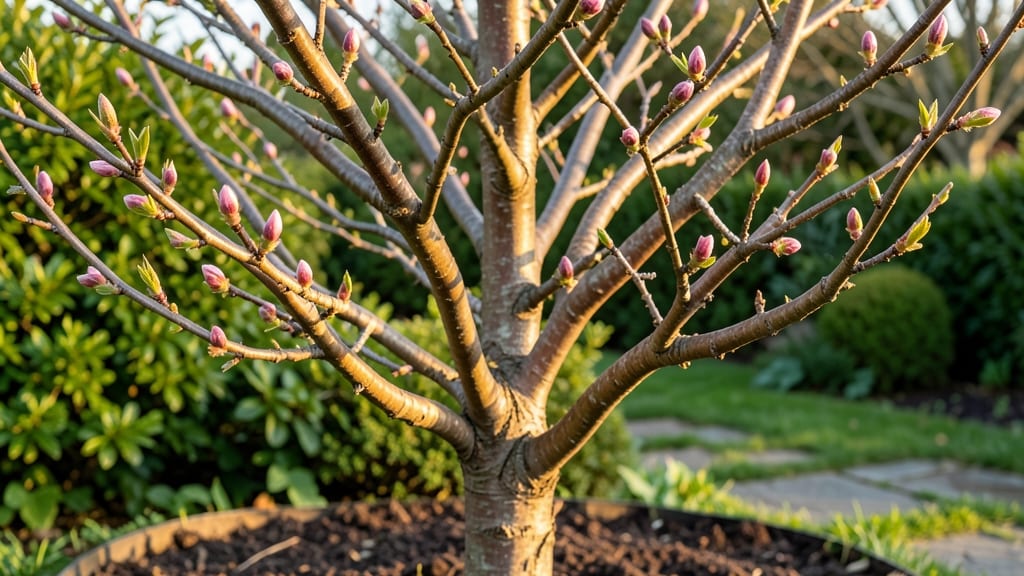
Three strategic cuts now mean a peach tree with well-shaped branches that bears fruit like clockwork for decades. ✂️ I’ve pruned peaches for years, and the difference between a neglected tree and one that produces consistently is just a few well-placed cuts—done at the right time.
Most gardeners overcomplicate it, but peaches respond best to simple, intentional shaping that opens the canopy to sunlight and air. The key is timing: winter pruning (when the tree is dormant) removes last year’s growth, while summer pruning targets suckers and crossing branches.
I use sharp bypass pruners and a 10-foot ladder—safety first—and always cut just outside the branch collar. This method keeps my tree productive, disease-free, and easy to harvest from.
You’ll see the difference in two growing seasons: fewer crowded branches mean more sunlight on fruit, and the tree’s energy goes into sweet, juicy peaches instead of weak wood. The best part? Once you master these three cuts, you’ll spend less time pruning and more time enjoying the harvest.
Works for both young trees and mature ones—just adjust the intensity. Let’s get your peach tree shaped for success!
📚 In This Guide
- What you need
- Instructions
- Tips and common mistakes
- Wrapping up and next steps
What you need
- ● Pruning shears: Bypass pruners (for cuts up to ½ inch thick) – 1 pair (sharp, clean blades are a must!)
- ● Loppers: For branches ½ to 2 inches thick – 1 pair (look for ratcheting or bypass styles for precision).
- ● Pruning saw: For thicker branches (2+ inches) – 1 saw (curved blade for smooth cuts).
- ● Gloves: Heavy-duty gardening gloves (cut-resistant) – 1 pair (protects from thorns and splinters!).
- ● Disinfectant: 70% isopropyl alcohol or bleach solution (1 part bleach to 9 parts water) – small spray bottle or rag (sanitizes tools between cuts).
- ○ Pruning sealant: Optional but helpful for large wounds (e.g., tree wound dressing) – small tub.
- ○ Extension pole: For high branches (optional but handy) – 1 pole with attached pruners or saw.
- ● Weather check: Prune on a dry, calm day (avoid rain or wind for 24 hours after cutting).
- ● Safety glasses: Protects eyes from debris – 1 pair.
- ● Long sleeves/pants: Wear protective clothing to avoid scratches or thorn pricks.
- ● Ladder (if needed): Sturdy, extendable ladder for higher branches – 1 ladder (ensure it’s rated for your height!).
- ● Trash bags: For collecting pruned branches – 2-3 bags (or a wheelbarrow for hauling).
How to prune peach tree branches for year-round health
Here's the straightforward approach I've used for years to keep peach trees productive and disease-free.
✂️ Step 1: Remove Dead or Diseased Wood First
Start by identifying branches that are completely dead or showing signs of disease—look for brown, brittle wood, blackened cankers, or oozing sap. These branches won't recover and will spread pathogens to healthy growth. Use sharp pruning shears to cut back to at least 6 inches below the affected area, always making the cut at a 45-degree angle just outside the branch collar.
I always prune on a dry day to prevent fungal spores from splashing onto fresh cuts. If you find a branch with honey-colored sap (a sign of bacterial canker), sterilize your tools with rubbing alcohol between cuts. The goal here is to eliminate weak entry points before they become bigger problems.
🌿 Step 2: Thin the Canopy for Better Airflow
Peach trees need sunlight to reach all fruit-bearing branches, so your next goal is to create an open, vase-like shape. Remove branches that cross or rub against each other—they'll eventually tear and create wounds. Also look for "water sprouts" (fast-growing vertical shoots) and suckers (shoots from the base)—these drain energy from fruit production.
Make your cuts just outside the branch collar, never leaving stubs. I like to step back every few cuts to visualize the tree's shape. You're aiming for a structure where light can penetrate to the center. For mature trees, remove no more than 25% of the canopy in one season to avoid shock.
☀️ Step 3: Shape for Fruit Production and Light Exposure
Now focus on the tree's framework. Select 3-5 strong, well-spaced scaffold branches that form the main structure—these should be about 4-6 feet apart and angled outward. Remove competing branches that grow straight up or inward. For fruiting spurs (the small branches where peaches form), cut back only the oldest wood to encourage new growth.
Pay special attention to branches that bear fruit—never remove them entirely. Instead, thin out crowded fruit clusters to 6-8 inches apart so each remaining peach gets proper sunlight and air circulation. This single step dramatically improves fruit size and quality. I always prune just after harvest in late summer to allow time for new growth before winter.
⏰ Step 4: Maintain Through the Growing Season
Light pruning continues throughout the year. In spring, remove any branches that died over winter or show signs of frost damage. During summer, pinch back new growth that appears on the trunk or lower branches—this directs energy upward where it belongs. I also make a habit of monitoring for "dieback" (sudden branch death) and prune it out immediately to prevent spread.
Fall is your final opportunity before dormancy. Remove any remaining dead wood and thin out crowded branches one last time. Avoid heavy pruning in fall—you want the tree to enter winter with strong structure. Just a light cleanup of dead material prevents overwintering pests from finding shelter.
Tips & tricks for perfect peach tree pruning
Between us, pruning a peach tree can feel overwhelming—but these simple tricks make it straightforward. Here's what nobody tells you about keeping your tree healthy year-round.
Tool Prep is Non-Negotiable: Before you make a single cut, sterilize your pruning shears with rubbing alcohol. I learned this the hard way after pruning a diseased branch and accidentally spreading infection to healthy wood. For stubborn cuts, use a sharp bypass pruner—dull blades crush instead of cleanly severing, which creates larger wounds that heal poorly. Always carry a small brush to clean up debris from the base of the tree to prevent fungal buildup.
Visualize the Tree's Future: Step back every 5-10 cuts to visualize the tree's shape. You're aiming for a vase-like structure where sunlight can reach all branches. I use the "open center" method for peach trees—this creates an umbrella shape that allows air to circulate and prevents fungal diseases. For young trees, focus on developing 3-5 main scaffold branches spaced evenly around the trunk. These will form the foundation for years to come.
Timing Matters More Than You Think: The instructions mention pruning just after harvest, but here's the real secret: late winter (when the tree is still dormant) is actually the best time for major pruning. This allows the tree to heal before summer heat stress. However, if you miss that window, late summer after harvest is your second-best option—it gives the tree time to recover before winter dormancy. Never prune in fall if you live in a cold climate, as new growth won't have time to harden off before freeze.
The 25% Rule is Your Safety Net: When thinning the canopy in Step 2, never remove more than 25% of the tree's foliage in one season. This prevents shock and maintains the tree's ability to photosynthesize. For mature trees, I often spread pruning over two years if needed. Watch for signs of stress like wilting leaves or premature leaf drop—these indicate you've removed too much. Remember, peach trees are resilient but not invincible.
Pro Tips for Peach Tree Branches
- Between us, pruning a peach tree can feel overwhelming—but these simple tricks make it straightforward.
- Tool Prep is Non-Negotiable: Before you make a single cut, sterilize your pruning shears with rubbing alcohol.
- Visualize the Tree's Future: Step back every 5-10 cuts to visualize the tree's shape.
Frequently asked questions
Got questions about pruning peach tree branches? You’re not alone! Whether you're a first-time pruner or a seasoned gardener, these common concerns can help you shape your tree like a pro. Let’s dive in:
When is the best time of year to prune peach tree branches?
The ideal time to prune peach trees is late winter or early spring (before buds break) to avoid disease risks. Avoid pruning in fall—it can leave wounds vulnerable to fungal infections. For light shaping, you can prune lightly in summer, but never remove more than 25% of the canopy at once.
How do I know which branches to cut on a peach tree?
Focus on three key cuts:
- Dead or diseased branches—Remove them first to prevent spread.
- Crossing or rubbing branches—Trim to avoid bark damage and improve airflow.
- Overcrowded or weak growth—Thin out branches to let sunlight reach the center.
Can I prune peach tree branches too much? What happens if I over-prune?
Yes! Over-pruning stresses the tree, reducing fruit yield and weakening its structure. Never remove more than 25% of the canopy in one season. Heavy pruning can also invite pests or diseases. If your tree looks sad after pruning, give it time—it’ll bounce back with proper care!
Do I need to sterilize my pruners when cutting peach tree branches?
Absolutely!
Peach trees are prone to bacterial canker and other diseases. Sterilize your pruners with rubbing alcohol or a 10% bleach solution before and after each cut. Wipe blades clean between trees to prevent cross-contamination. Pro tip: Keep a small spray bottle of alcohol handy for quick cleanups!
What should I do with the branches after I cut them?
Remove pruned branches from the area immediately to reduce disease risk. You can:
- Compost them (if disease-free).
- Use them as mulch around non-fruit-bearing plants.
- Burn them (check local regulations) if diseased.
Wrapping up and next steps
Mastering the art of pruning peach tree branches is all about timing, technique, and a little patience—your tree will thank you with bountiful blooms and sweet fruit! 🌿 Whether you’re shaping for aesthetics, health, or harvest, those three simple cuts can transform your tree into a thriving masterpiece.
Now that you’re armed with the know-how, grab your pruners and roll up your sleeves—your peach tree’s best days are ahead!
Ready to take the next step? Start small—pick a single branch this weekend and practice your cuts. Before you know it, your peach tree will be the envy of the neighborhood! 🌟