
Pruning
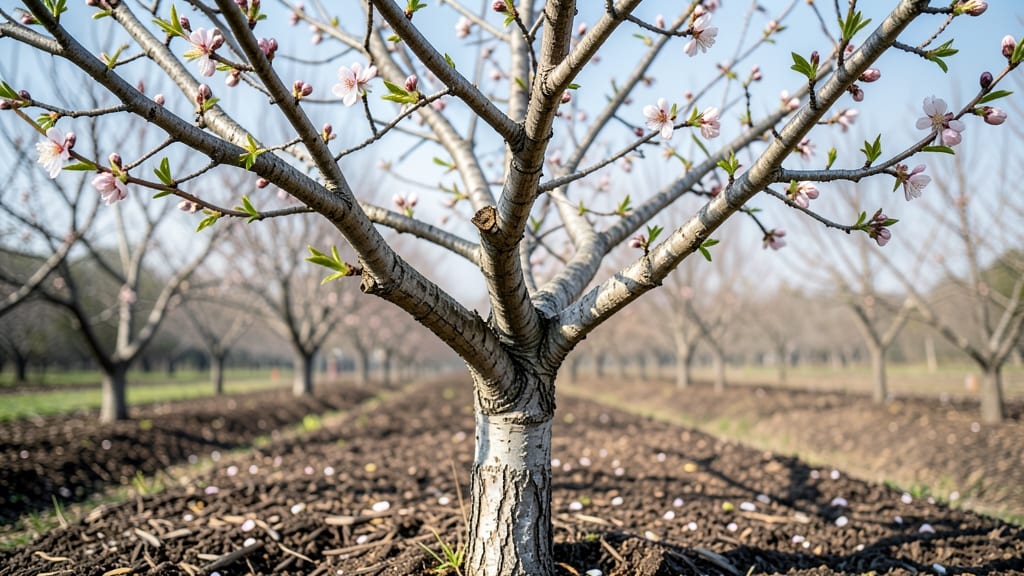
Almond trees grow best in USDA hardiness zones 5 through 9, with peak performance in zones 7 to 9 where mild winters and warm summers create ideal conditions. Popular varieties like Nonpareil and Carmel excel in these zones, while cold-resistant types such as Peerless can survive zones 5 to 6 with extra winter care.
Choosing the right almond tree zone depends on your climate and the specific variety you plant. 🌳 Trees in zones 7-9 get the perfect balance of winter chilling hours (around 500-700) and summer heat, which is why Nonpareil and Carmel dominate commercial orchards.
In colder zones 5-6, varieties like Peerless need winter protection to avoid frost damage, while heat-tolerant types such as Fritz thrive in zone 9's intense summers. Microclimates—like sunny slopes or sheltered valleys—can also push a tree's zone limits by 1-2 degrees.
Once you've matched your zone to the right variety, proper pruning becomes key to maximizing yield. Spring pruning (just before buds swell) removes dead wood and shapes the tree, while summer pruning encourages new growth.
In colder zones, avoid heavy pruning in late summer, as new growth won't harden off before winter. Tools like sharp bypass pruners and loppers make the job cleaner, reducing disease risk.
💡 In This Article
- Understanding Almond Tree Hardiness Zones and Climate Needs
- Selecting Almond Tree Varieties for Your Zone and Pruning Tips
Understanding almond tree hardiness zones and climate needs
Almond trees rely on a precise balance of winter chilling hours and summer warmth to produce fruit. The USDA zones 5-9 range reflects this need, but the magic happens in zones 7-9 where trees receive 500-700 chilling hours (temperatures between 32-45°F) during winter.
This cold period breaks dormancy, while the 100+ frost-free days in summer allow flowers to develop and nuts to mature. In zone 5, trees like Peerless can survive but often need winter mulch or row covers to protect against prolonged sub-zero temperatures.
Late spring frosts pose a major threat in zone 7, where blossoms can open as early as February. A single 28°F frost after bud break can destroy up to 90% of flowers, drastically reducing harvest.
Conversely, zone 9's intense summer heat (often exceeding 95°F) stresses varieties like Nonpareil, causing premature nut drop if irrigation isn't carefully managed. The ideal scenario is what you find in California's Central Valley—mild winters and hot, dry summers that mimic zones 7-8.
Microclimates can shift a tree's effective zone by 1-3 degrees, making location critical. South-facing slopes collect more sunlight, adding 5-10°F of warmth compared to north-facing areas. Sheltered valleys protect against wind chill, while coastal areas benefit from moderating ocean breezes.
I've seen almond orchards in zone 6 thrive near large bodies of water where winter temperatures rarely drop below 15°F for extended periods.
Soil temperature matters just as much as air temperature. Almond roots need soil to stay above 40°F during winter to avoid damage. In colder zones, planting on south-facing slopes with dark-colored soil (which absorbs more heat) can improve root zone temperatures by 2-4°F.
The tree's root system also extends 3-5 feet deep, so well-draining soil is essential to prevent winter waterlogging, which can suffocate roots in saturated conditions.
Here's how different zones break down in practice:
- Zones 5-6: Peerless and Shasta varieties handle -10°F with proper winter care, but require 700+ chilling hours
- Zones 7-8: Nonpareil and Carmel need 500-600 chilling hours and 90+ frost-free days
- Zone 9: Fritz and Alderson thrive with 400-500 chilling hours and heat tolerance up to 105°F
What most growers don't realize is that almond trees actually bloom before leaves emerge, making them extremely vulnerable to early spring frosts. The flowers appear in late winter when the tree is still dormant, which is why precise chilling hour calculations are critical for zone selection. 🌸
For best results, always check your local weather station data for the past 30 years—this gives a more accurate picture than general zone maps. Many successful zone 6 growers use low-chill varieties combined with delayed irrigation to push flowering into safer periods.