
Pruning
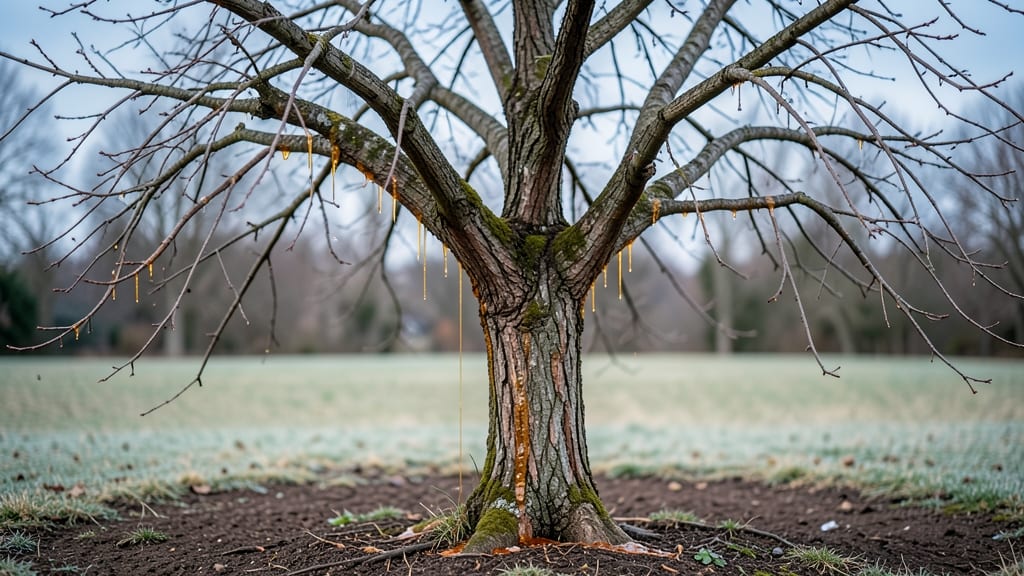
Your cherry tree’s dripping sap mess isn’t just annoying—it’s a warning sign. 🌳 Whether it’s clear, milky, or dark, excessive sap means your tree is under stress, and ignoring it could lead to bigger problems down the road.
The good news? Most causes are fixable with the right diagnosis and care.
Sap drips usually stem from physical damage (like improper pruning or animal scratches), pest infestations (aphids, borers, or scale), or environmental factors (too much water, drought, or temperature swings).
Even the timing matters—spring sap is normal, but heavy drips in summer or fall mean trouble. Start by inspecting the bark, leaves, and surrounding soil for clues.
You can often stop the mess with targeted fixes: seal wounds with pruning paint, treat pests with horticultural oil, or adjust watering habits. Prune correctly (clean cuts at the right angle) to prevent further stress, and mulch to stabilize soil moisture.
Most trees bounce back within a season if you act early.
If the sap is dark, oozing, or accompanied by wilting leaves or fungal growth, it’s time to call an arborist. Some issues—like bacterial infections or deep-rooted pests—need professional intervention before they spread. Don’t let this sticky problem turn into a full-blown tree crisis!
Natural Sap Flow Explained
When your cherry tree starts oozing sap like a sticky syrup factory, it’s usually its way of saying, “Hey, something’s up!” But before you panic, let’s break down the science behind why this happens—because understanding the cause is the first step to fixing it.
Below, we’ll explore the most common reasons your tree might be leaking sap, from seasonal quirks to stress signals.
Cherry trees (especially Prunus avium, the sweet cherry variety) are deciduous saplings with a built-in circulatory system. Just like how maple trees tap into their sap for syrup, cherry trees experience natural pressure changes that force sap to flow—especially during:
- 🌿 Early Spring (Sap Rise): As temperatures warm and days lengthen, the tree’s xylem vessels (its water-transporting pipes) fill with sap to fuel new growth. If the bark is thin or damaged, this pressure can cause leaks—like an overfilled water balloon with a tiny hole.
- 🍒 Fruit Development (Late Spring): When cherry blossoms turn into fruit, the tree redirects energy to nourish the crop. This metabolic shift can increase turgor pressure in the trunk and branches, squeezing out excess sap through weak spots.
- 🍂 Late Fall (Dormancy Prep): As the tree preps for winter, it reabsorbs nutrients from leaves and branches, but residual sap can still drip if the tree is stressed or the bark is compromised.
Pro Tip: 🌡️ If sap dripping coincides with temperature swings (e.g., warm days followed by cold nights), it’s likely seasonal—and usually harmless. Monitor for increased volume or dark, oozing sap, which could signal deeper issues.
Pests don’t just munch on leaves—they drill into bark and phloem, disrupting the tree’s plumbing system. Common culprits include:
| Pest | How They Cause Sap | Signs to Watch For |
|---|---|---|
| 🐜 Sap-Sucking Insects (e.g., aphids, scale, mealybugs) | Insert mouthparts into bark/leaves, creating wound responses that trigger sap flow. | Sticky residue ("honeydew"), curled leaves, or clusters of tiny bugs. |
| 🪲 Boring Insects (e.g., shot hole borers, flatheaded borers) | Larvae burrow into the cambium layer, severing vascular tissues and causing gumming (dark, resinous sap). | Exit holes in bark, frass (sawdust-like debris), or wilting branches. |
| 🐛 Fungal/Bacterial Invaders (e.g., silver leaf fungus, bacterial canker) | Weakened by pests or wounds, the tree’s defenses fail, leading to pathogen-induced sap exudation. | Dark streaks under bark, cankers (sunken wounds), or leaf spots. |
Action Step: 🔍 If you spot pests, prune infected branches 6+ inches below the damage (sterilize tools with rubbing alcohol) and treat with neem oil or insecticidal soap. For borers, apply systemic insecticides like imidacloprid in early spring.
Even minor injuries can turn your cherry tree into a sap factory. The tree’s first response to damage is to seal wounds with resin—but if the injury is severe or repeated, the system overloads. Common triggers:
- 🪓 Pruning Wounds: Cutting too close to the branch collar or leaving jagged edges creates large open wounds that ooze sap for weeks. Poor pruning technique (e.g., topping, tearing bark) is a top cause.
- 🌪️ Mechanical Stress: Lawnmower strips, string trimmers, or even animals rubbing against the trunk can strip bark and expose vascular tissues.
- 🌡️ Extreme Weather: Hail, windthrow, or frost cracks can rupture the cambium layer, causing sap to gush like a geyser.
Fix It: 🛠️ For fresh wounds, apply pruning sealant (optional for small cuts) and follow proper pruning steps: cut at a 45° angle just outside the branch collar. For large damage, consult an arborist to assess canker risk.
Cherry trees hate soggy feet. When roots suffocate from overwatering or compacted soil, the tree’s root pressure spikes, forcing sap upward through any available escape route—like weak bark or old pruning cuts.
Watch for:
- 🌧️ Yellowing leaves (chlorosis) or leaf drop despite moist soil.
- 🍄 Fungal growth at the base of the trunk (e.g., mushroom rings).
- 🚫 No sap flow during dry periods—if it only drips after heavy watering, drainage is likely the issue.
Solution: 💦 Improve soil aeration by adding compost or installing drainage tiles if the area floods. Water deeply but infrequently (1–2 inches per week) and avoid overhead sprinklers that saturate the bark.
Cherry trees are mesophytes—they thrive in moderate climates but struggle with rapid temperature shifts. When days warm up but nights stay cold, the tree’s metabolic processes stall, causing:
- 🍒 Winter Desiccation: Frost can freeze and thaw sap channels, creating ice blockages that rupture when temperatures rise.
- 🔥 Heat Stress: Scorching summer days can denature enzymes in the phloem, forcing the tree to flush out damaged sap.
What to Do: 🌡️ Mulch the base with 3–4 inches of wood chips to regulate soil temperature. In extreme heat, provide afternoon shade for young trees.
Stop the Sap Flow Now
If your cherry tree is already leaking sap like a faucet left running, don’t panic—there are practical fixes to stop the mess and protect your tree’s health. The solution depends on the root cause, whether it’s a wound, disease, or seasonal stress.
Below, we break down cause-specific fixes with step-by-step instructions and prevention tips to keep your tree happy and sap-free.
Cause: Improper cuts expose the tree’s vascular system, causing sap to ooze.
How to Stop It:
- 🔪 Seal the Wound Immediately Use a pruning sealant (like Tanglefoot Tree Wound Pruning Seal) or beeswax to cover fresh cuts. Apply it within 24 hours to minimize sap flow.
- Pro Tip: 💡 Avoid commercial sealants with high petroleum content—they can suffocate the tree. Opt for natural, breathable options like beeswax mixed with pine tar.
- 🌳 Make Clean Cuts Next Time
- Use sharp, sterilized pruners to avoid tearing bark.
- Cut at a 45-degree angle just outside the branch collar (the swollen area where the branch meets the trunk).
- Never leave stubs—they invite disease and more sap leaks.
- 🌡️ Monitor for Infection If the wound turns dark, mushy, or smells foul, it’s infected. Scrape away dead tissue with a sterilized knife, then reseal with a fungicide-pruning sealant (like copper-based products).
Cause: Sap oozing from cankers, rust spots, or bacterial blight signals a hidden infection.
How to Stop It:
- 🧹 Clean Up the Mess
- Scrape off all infected bark (including blackened, oozy areas) with a sterilized knife or wire brush.
- Dispose of debris far from the tree to prevent spread.
- 💊 Apply Fungicide or Antibacterial Spray
- For fungal issues (like powdery mildew or cankers), use copper fungicide or neem oil spray.
- For bacterial infections (e.g., bacterial leaf spot), try streptomycin or oxytetracycline sprays (follow label instructions).
- Pro Tip: ✨ Prevent future infections by watering at the base (not overhead) and avoiding wet foliage.
- 🌿 Boost Tree Immunity
- Fertilize with balanced, slow-release fertilizer (10-10-10) in early spring to strengthen the tree.
- Mulch around the base with 2–4 inches of organic mulch (wood chips, straw) to protect roots.
Cause: Sap naturally drips in spring (when buds swell) or fall (before dormancy). Overwatering or temperature swings can worsen it.
How to Stop It:
- 💧 Adjust Watering Habits
- Reduce watering 2–3 weeks before expected sap flow (check local cherry tree bloom times).
- Water deeply but less frequently—soggy soil stresses roots and triggers sap production.
- 🌡️ Protect from Temperature Shocks
- If sap leaks spike after freeze-thaw cycles, wrap the trunk with tree wrap (like Tree Guard) to insulate it.
- Avoid late-season fertilizing—it encourages new growth vulnerable to cold stress.
- 🍃 Cover the Ground
- Place cardboard or landscape fabric under the tree to catch drips and protect lawns/pavement.
- Pro Tip: 🔥 Use a tarp secured with bricks—cherry sap can stain concrete permanently!
- ✂️ Prune at the Right Time: Do light pruning in late winter (before buds swell) and avoid heavy cuts in spring.
- 🛡️ Inspect Regularly: Check for cracks, oozing spots, or sawdust-like frass (sign of borers) every 2–3 months.
- 🌱 Choose Resistant Varieties: If your tree is prone to sap issues, consider disease-resistant cherries like ‘Stella’ or ‘Royal Ann’.
- 🐝 Encourage Beneficial Insects: Ladybugs and lacewings naturally control sap-sucking pests—plant companion flowers like dill or marigolds nearby.
Final Note: Most sap issues are manageable with quick action. If leaks persist despite these steps, consult a certified arborist—your tree might need deeper care! 🌳💚
Frequently asked questions
Is it normal for my cherry tree to drip sap in spring?
Yes, light sap flow in early spring (when buds swell) is completely normal as the tree's vascular system revives. However, if the drips are heavy, dark, or persistent beyond 2-3 weeks, it signals stress from pests, disease, or improper pruning. Check for signs like sticky residue or wilting leaves.
What does the color of the sap mean?
Clear sap is usually harmless seasonal flow, while milky or dark sap often indicates infection or pest damage. Black, oozing sap suggests bacterial canker or borer infestations—act fast by pruning infected areas and applying copper fungicide. Always examine the bark for holes or fungal growth.
How quickly should I act if my tree starts dripping sap?
For minor drips (clear sap, no other symptoms), monitor for a week—it may resolve naturally. But if you see dark sap, wilting, or pest clusters, act within 48 hours to prevent spread. Seal wounds immediately and treat with neem oil or insecticidal soap. Early action stops 90% of sap-related issues.
Can I use household items to stop the sap?
Yes! For small wounds, try beeswax mixed with pine tar as a natural sealant. For pests, spray soapy water (1 tsp dish soap per gallon) to dislodge aphids or scale. Avoid petroleum-based products—they can harm the tree. Always sterilize tools with rubbing alcohol first.
Will pruning help, or will it make sap worse?
Pruning correctly reduces sap flow—just avoid cutting during active sap rise (late winter/early spring). Use sharp tools to make clean cuts at 45° angles just outside the branch collar. Never top the tree—this creates massive wounds that drip for months. Prune in late summer for minimal stress.