
How To
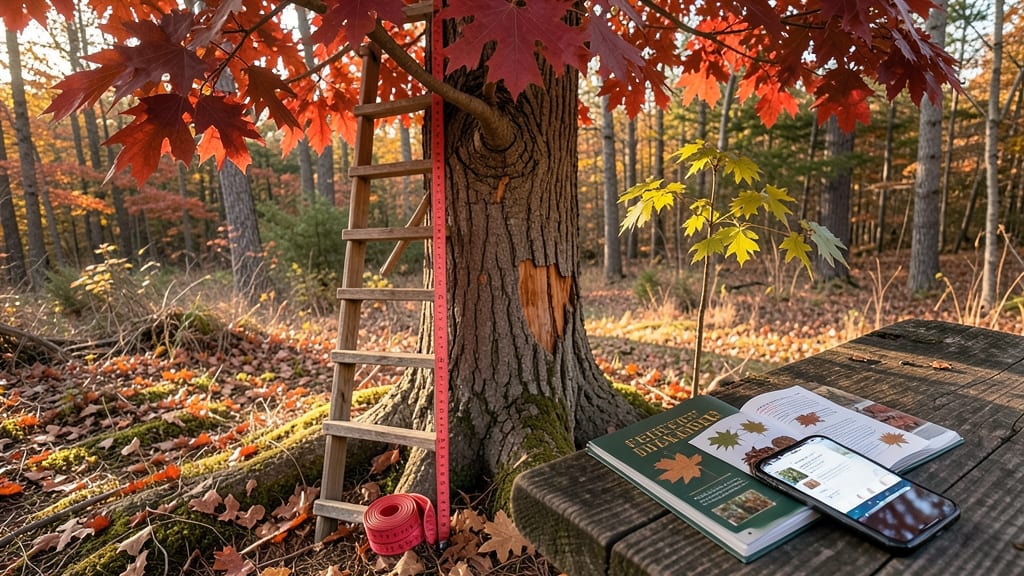
How tall does a maple tree grow? The answer varies dramatically—from modest 15 feet to towering 120 feet—depending on the species and growing conditions.
If you’ve ever dreamed of a towering maple tree shading your backyard—or wondered why some varieties seem to reach for the sky while others stay modest—you’re in the right place.
Maple trees aren’t just beautiful; their height can transform your landscape, but choosing the wrong type could lead to pruning headaches for decades.
Fast-growing varieties like the Silver Maple can shoot up 3-5 feet per year, while slower growers like the Bloodgood Maple take their time reaching maturity. Understanding these differences is key to planning your garden or selecting the perfect tree for your space.
In this guide, I’ll break down the fastest-growing maple species, how to estimate your tree’s future height, and practical tips for managing their size—so you can enjoy their beauty without the hassle.


Maple tree height by species: from dwarf varieties to towering giants
Choosing a maple tree isn’t just about color—it’s about height. Some varieties grow like skyscrapers, while others stay small enough for urban gardens. The Sugar Maple, for example, can reach 75–100 feet in ideal conditions, while a Japanese Maple might stay under 15 feet for decades.
Your yard’s size and sunlight will dictate which variety thrives. Let’s compare the extremes so you can pick the perfect fit.
Maple trees vary wildly in mature height, from dwarf cultivars perfect for patios to giant specimens that need acres.
The fastest growers, like Silver Maple, can add 3–5 feet per year in youth, while slow growers, like Bloodgood Japanese Maple, might only gain 6 inches annually. Climate plays a role too—Southern Red Maple thrives in heat, while Norway Maple prefers cooler zones.
Here’s a quick look at the height spectrum of popular maple species, including growth rates and ideal climates to help you visualize their future size:
How to estimate your maple tree’s future height before planting
Estimating your maple tree’s future height starts with understanding its species and growth habits. While some varieties like the Sugar Maple can soar to 75-100 feet, others like the Dwarf Japanese Maple stay under 15 feet.
Your yard’s sunlight exposure and soil quality also play critical roles in determining how tall your tree will grow over time.
To make an accurate prediction, factor in the tree’s growth rate—measured in feet per year—and your local climate conditions. For example, a Silver Maple might grow 2-3 feet annually in ideal conditions, while a Bloodgood Maple grows just 1 foot per year.
Use these insights to plan spacing and avoid future pruning nightmares.
📊 Growth Rate Calculator for Maple Trees
Use this growth-rate calculator to visualize how your maple tree’s height will evolve over time. For instance, a standard Sugar Maple could reach 50 feet in 20 years, while a dwarf variety might stay under 20 feet.
Adjust for your local climate—trees in USDA Zone 5 grow slower than those in Zone 8.
To control your maple tree’s height, try root restriction techniques like planting in containers or root barriers. Prune young trees in late winter to encourage bushier growth, and avoid over-pruning, which can stress the tree.
For urban gardens, consider semi-dwarf varieties like Autumn Blaze, which max out at 40-50 feet.
Always check your local planting regulations—some areas restrict large trees near power lines or sidewalks. If you’re unsure, consult a local arborist to assess your yard’s sunlight exposure and soil drainage. Proper planning now means fewer headaches later as your maple tree matures.
Remember, soil quality impacts growth too. Amend clay-heavy soil with compost to improve drainage, and mulch around the base to retain moisture. With the right pre-planting prep, you can estimate your maple tree’s height with confidence and enjoy its beauty for decades.