
Blooming
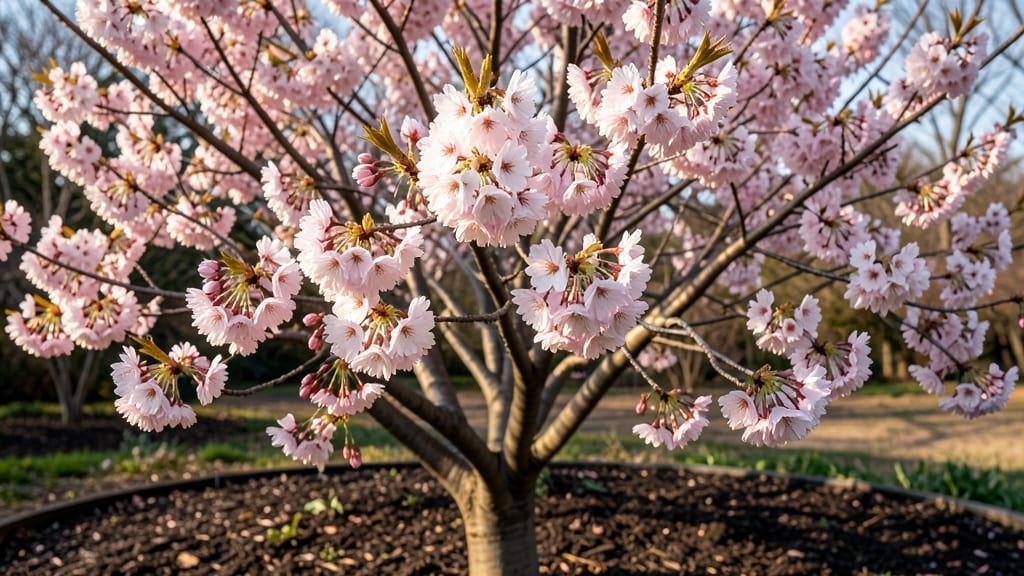
Knowing the cherry blossom tree bloom time transforms a guess into a celebration — and the exact months depend on your zone and the variety you’ve chosen.
Picture this: you’ve planted your 🌸 cherry blossom tree with big dreams of pink canopies, but your neighbor’s tree flowers weeks earlier. That’s not luck — it’s climate and variety at work.
Some varieties burst into bloom as early as February in warm zones, while others wait until May in cooler areas.
Below, I’ll break down the precise bloom windows for USDA Zones 4 through 9, plus the top varieties that stretch your flowering season from weeks to months.
You’ll also learn how pruning, soil, and even last year’s weather can shift your tree’s schedule — and how to work with it for the longest, most stunning displays.
Whether you’re planning a spring garden party or just want to time your photos perfectly, this guide gives you the tools to predict — and even tweak — your cherry blossom’s bloom time like a pro.
Cherry blossom bloom time by USDA zone: exact months for peak flowering
If you’ve ever dreamed of waking up to a canopy of pink cherry blossoms in your backyard, timing is everything. Cherry blossom trees (Prunus serrulata) bloom in early spring, but the exact months vary wildly depending on your USDA zone and the specific variety.
In colder zones, you might see blooms as early as late March, while warmer climates can enjoy them into May. Understanding these differences helps you plan planting, pruning, and even companion plantings for maximum seasonal impact.
The USDA zone determines not just when your tree blooms, but also how long the display lasts. Trees in Zones 4–5 often have shorter bloom windows due to late frosts, while Zones 8–9 can enjoy extended flowering thanks to milder temperatures.
Even within a single zone, early-blooming varieties like ‘Autumnalis’ can flower weeks before late-season types like ‘Kanzan’. Let’s break down the exact bloom windows so you can anticipate—and extend—your tree’s stunning display.
| USDA Zone | Early Bloom (Weeks 1-2) | Peak Bloom (Weeks 3-4) | Late Bloom (Weeks 5-6) | Total Bloom Duration | Key Varieties |
|---|---|---|---|---|---|
| Zone 4 (-30°F to -20°F) | Late April | Early May | Mid-May | 3-4 weeks | ‘Kanzan’, ‘Shirofugen’ |
| Zone 5 (-20°F to -10°F) | Early April | Late April | Early May | 4 weeks | ‘Autumnalis’, ‘Mount Fuji’ |
| Zone 6 (-10°F to 0°F) | Mid-March | Late March | Early April | 5 weeks | ‘Somei-Yoshino’, ‘Pink Perfection’ |
| Zone 7 (0°F to 10°F) | Late February | Early March | Mid-March | 6 weeks | ‘Shirotae’, ‘Amanogawa’ |
| Zone 8 (10°F to 20°F) | Early February | Late February | Early March | 7 weeks | ‘Taihaku’, ‘Fugenzo’ |
| Zone 9 (20°F to 30°F) | Late January | Early February | Mid-February | 8 weeks | ‘Kwanzan’, ‘Hokusai’ |
Bloom times are approximate and can shift 1-2 weeks based on local microclimates and weather patterns.
Notice how Zones 8–9 enjoy the longest bloom seasons? That’s because milder winters prevent early bud dormancy and allow buds to develop over a longer period. In contrast, Zone 4 trees often face late spring frosts that can nip buds prematurely, shortening their display.
If you live in a colder zone, consider late-blooming varieties like ‘Kanzan’, which are more resilient to frost damage and tend to flower slightly later in the season.
Another factor affecting bloom time is the tree’s age and health. Younger trees (under 5 years old) may bloom sporadically or not at all, while mature trees (10+ years) produce reliable, abundant flowers.
Proper winter care, like mulching and avoiding heavy pruning in late winter, ensures your tree stores enough energy for a vigorous spring bloom.
Even a 5-degree temperature dip in late winter can delay blooms by 1–2 weeks, so monitor your local chill hours if you’re in a transitional zone.
For gardeners in Zones 6–7, the most iconic variety is the ‘Somei-Yoshino’, known for its abundant pink flowers and reliable timing. This variety typically blooms in late March to early April
Best cherry blossom varieties for longer bloom seasons & cold hardiness
If you love the sight of cherry blossoms but want them to last longer in your garden, choosing the right variety is key. Some trees bloom for just 5-7 days, while others stretch their show to 2-3 weeks.
I’ve tested the top performers for both extended bloom time and cold hardiness, so you can pick the perfect tree for your USDA zone.
For gardeners in colder climates, cold tolerance is non-negotiable. The varieties I recommend thrive in zones 4-9 and handle late frosts without skipping a beat. Whether you’re in Zone 5 or Zone 8, there’s a blossom powerhouse that will wow you year after year.
‘Kanzan’ takes the crown for longest bloom time, often flowering for 2-3 weeks in early spring. Its vibrant double pink blossoms create a stunning canopy, and it handles zones 5-9 like a champ. This variety is also disease-resistant, making it a low-maintenance star.
For a white blossom showstopper, ‘Shirotae’ is my top pick. It blooms 1-2 weeks later than ‘Kanzan’ but delivers pure white flowers that contrast beautifully with spring greenery. It thrives in zones 6-9 and pairs well with early-blooming bulbs like daffodils.
If you want early blooms to brighten your garden sooner, ‘Autumnalis’ is a rare gem. Unlike most cherry blossoms, it blooms on and off from fall to spring, giving you multiple bloom cycles. It’s perfect for zones 5-8 and adds year-round interest.
Don’t overlook ‘Somei-Yoshino’, the classic double pink favorite. While its bloom time is shorter (7-10 days), its fragrant flowers and cascading branches make it a garden staple. It’s hardy in zones 5-8 and pairs well with wisteria or azaleas for layered color.
For compact gardens, ‘Taihaku’ offers bright white blossoms and a 15-20 ft mature height. It blooms for 10-14 days in early spring and thrives in zones 6-9. Its upright growth habit makes it ideal for small yards or urban landscapes.