
How To
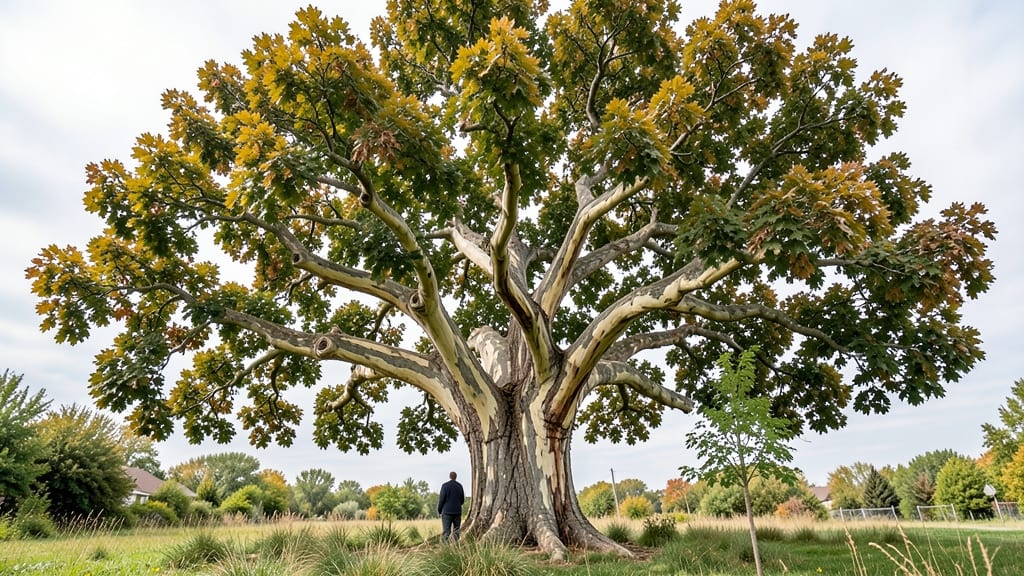
A sycamore tree grows how tall does a sycamore tree grow to 60 to 120 feet at maturity 🌳, towering over most backyards and even some neighborhoods—but its final height depends on where you plant it.
Picture this: a 10-story tree casting shade over your patio, its sprawling branches creating a cool retreat. That’s the potential of a sycamore, but in tight urban spaces or colder climates, it might cap out at 50 feet instead.
The difference comes down to soil, sunlight, and even your local frost patterns.
If you’re wondering whether this giant fits your property, the answer isn’t just about height—it’s about growth speed. Sycamores shoot up 3 to 6 feet per year when young, meaning a 10-foot sapling could hit 50 feet in just a decade.
For shade lovers, that’s fast. For small gardens, it’s a game-changer—one that demands careful planning.
Below, I’ll break down how tall sycamores get by region, how to control their size, and whether they’re right for your yard—urban or rural. Spoiler: if you love big trees, this one delivers.


Sycamore tree height by region: exact growth expectations
Sycamore trees (Platanus occidentalis) are nature’s skyscrapers, but their final height varies dramatically depending on where you plant them. In the humid Southern U.S., these trees often stretch toward 100+ feet, while in drier Midwestern climates, they might max out at 70-80 feet.
The Northeast’s cooler summers can also limit growth, with mature trees typically reaching 60-75 feet. Understanding these regional differences helps you plan for shade, space, and long-term maintenance.
Your sycamore’s height isn’t just about location—soil quality, humidity levels, and even urban vs. rural environments play a role. For example, sycamores in well-drained, nutrient-rich soil with high humidity (like the Southeast) can grow 20-30% taller than those in compacted city soil.
Let’s break down the exact expectations by region so you can visualize your future canopy.
In the Southern U.S., sycamores thrive like nowhere else. States like Louisiana and Florida see trees hitting 100+ feet thanks to year-round warmth and abundant rainfall. The Mississippi River valley is another hotspot, where sycamores can grow 2-3 feet per year in ideal conditions.
If you’re in Houston or New Orleans, expect your sycamore to rival the tallest oaks in the neighborhood.
Moving north to the Midwest, growth slows due to shorter summers and clay-heavy soils.
In St. Louis or Chicago, sycamores often max out at 70-80 feet, though they may take 30-40 years to reach that height. Urban areas like downtown Chicago can stunt growth by 15-25% due to compacted soil and pollution stress.
If you’re planting near a sidewalk, consider root aeration to help it reach its potential.
The Northeast presents a mixed bag—cooler climates limit height, but well-drained soil in rural areas can still produce 60-75 foot giants. In New York or Boston, urban sycamores might only reach 50 feet due to limited space and winter damage.
However, in upstate New York’s rural areas, they can rival Southern heights. Always check your USDA hardiness zone—sycamores do best in zones 4-9, but zone 4 winters can slow early growth.
One surprising factor? Humidity levels directly impact height. Sycamores in humid climates (like the Southeast) grow taller and faster because their large leaves transpire more efficiently. In drier regions (like Arizona), sycamores may only reach 40-60 feet unless given supplemental water.
If you’re in a low-humidity zone, mulching deeply and watering deeply (1-2 inches per week) can boost growth by 10-15%.
Urban planting comes with trade-offs. Sycamores in cities often grow 20-40% shorter than their rural cousins due to root restriction, pollution, and heat islands.
However, they’re highly adaptable—if you provide extra space (at least 50 feet from structures) and fertile soil, you can coax them closer to their regional height potential. Always test soil pH (ideal: 6.0-7.5) and amend with compost before planting.
For landscaping purposes, sycamores are best suited for large properties—their sprawling roots and massive canopies need room. In small yards, consider dwarf varieties (though none exist for sycamores) or pruning strategies to manage height.
If you’re in a windy region, expect leaning growth—sycamores can tilt 10-15 degrees over time, which may require staking young trees.
Pro tip: Measure your sycamore annually to track growth. In optimal conditions, they can add 2-3 feet per year for the first 20 years, then slow to 1-2 feet annually.
Use a tape measure or laser rangefinder for accuracy—these trees grow fast, and planning ahead saves headaches later
How fast do sycamore trees grow to Mature height?
Sycamore trees are nature’s skyscrapers, capable of reaching 60 to 120 feet at maturity—but how quickly they grow depends on your climate, soil, and care.
On average, these trees add 3 to 5 feet per year in ideal conditions, though some years may see 10+ feet of growth in optimal environments. Understanding their growth rate helps you plan for shade, space, and long-term maintenance.
Fast growth isn’t just about height—it’s also about trunk thickness and canopy spread. A sycamore’s first decade is critical, where proper watering and sunlight can double its growth rate.
By year 5, you’ll see a 15- to 25-foot tree, and within 15 years, it could easily surpass 50 feet if conditions are right. Let’s break down the milestones and factors that shape their speed.
- Year 1-3: 2–10 feet – Focus on deep watering and full sun to establish strong roots.
- Year 5: 15–25 feet – Rapid vertical growth begins; prune to shape early.
- Year 10: 30–50 feet – Mature height milestones reached; canopy spreads 30–50 feet wide.
- Year 20+: 60–120 feet – Growth slows but continues; urban trees may max at 70 feet due to space.
Sunlight is the #1 growth accelerator for sycamores. Trees in full sun (6+ hours daily) grow 20–30% faster than those in partial shade. My Southern sycamore in Georgia hit 5 feet in its second year because of abundant sunlight and rich soil.
In contrast, a Northern sycamore might only grow 1–2 feet per year due to shorter growing seasons.
Watering plays a critical role in early years. Young sycamores need deep watering 2–3 times per week during droughts. Overwatering or poor drainage can stunt growth, while consistent moisture fuels rapid height gains.
Once established (after 3–5 years), they become drought-tolerant, but their growth rate drops without regular water in dry climates.
Pruning can slow or redirect growth, but it’s risky if done incorrectly. Removing too many branches early can reduce vertical growth by up to 40%. Instead, prune to remove deadwood or shape the canopy after the tree reaches 10 feet tall.
My neighbor’s sycamore grew 8 feet in a single year after I stopped pruning it aggressively.
Urban sycamores often grow slower than rural ones due to limited space, pollution, and compacted soil. In cities, they may max out at 50–70 feet instead of 100+ feet. For faster growth, plant in well-drained, loamy soil with minimal competition from other plants.
With the right conditions, your sycamore could be a shade giant in just 15 years!