
Pruning
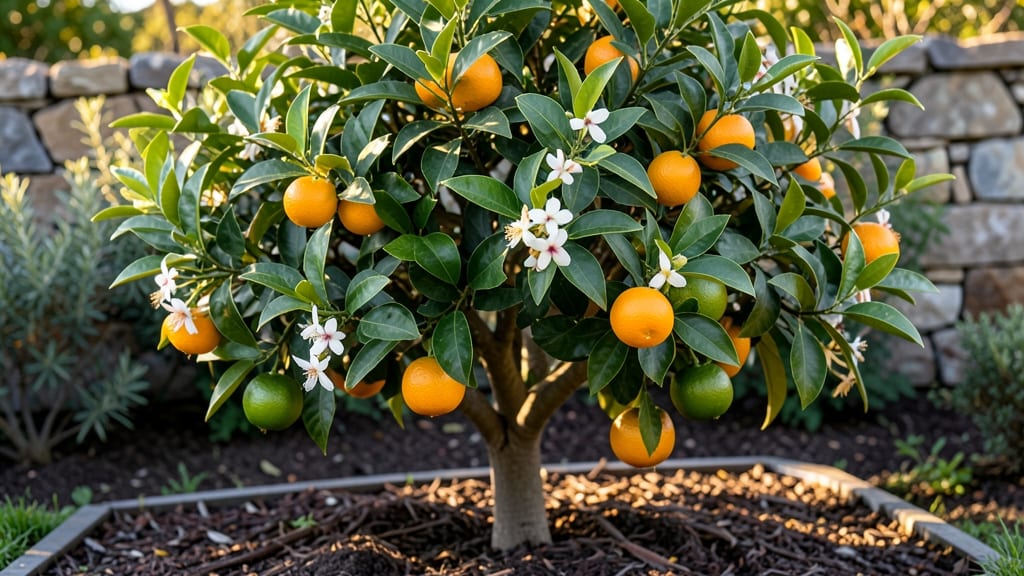
Understanding the orange tree growth stages is the key to growing a healthy, fruit-bearing tree 🍊—from a tiny seedling to a towering citrus giant.
Picture this: You plant a seed in winter, and by year five, you’re harvesting your first real crop. But what happens in between? Each stage demands different care, and missing the cues can mean stunted growth or even failure.
I’ve seen firsthand how a little extra attention at the right time turns a struggling sapling into a thriving tree.
Whether you’re dealing with a seedling’s delicate roots or a mature tree’s heavy fruit load, knowing the signs—like when buds form or how leaves change—helps you adjust water, light, and nutrients for success.
Below, I break down the five critical phases, including how long each lasts and what to watch for.
You’ll learn how to spot common mistakes (like overwatering young trees or pruning at the wrong time) and discover the one trick that speeds up flowering. Ready to grow your own citrus treasure?


Orange tree growth stages: seedling to sapling (years 0-3)
The first three years of your orange tree are all about building a strong foundation. This is when the tiny seedling transforms into a sturdy sapling capable of supporting future fruit production.
Understanding these critical growth stages helps you provide the right care—from soil prep to watering schedules—to set your tree up for success. Let’s break down what happens month by month and year by year.
In Year 0, your orange tree starts as a seed or seedling. During this phase, you’ll focus on germination, root establishment, and the first true leaves. The secret to survival here? Keeping the soil moist but not soggy and protecting the young plant from harsh elements.
Even a slight misstep can stunt growth or invite pests. By Year 3, your tree will resemble a sapling, standing tall enough to cast its own shadow.
| Stage | Key Characteristics | Height Range | Critical Care |
|---|---|---|---|
| Seedling (Months 0-3) | Germination, first true leaves (oval-shaped), delicate roots | 0.5–3 inches | Keep soil moist, provide dappled shade, avoid cold drafts |
| Juvenile (Months 3-12) | Thicker stems, glossy dark green leaves, root spread doubles | 1–3 feet | Gradually introduce full sun, fertilize lightly with citrus-specific food |
| Transition to Sapling (Year 2) | Woody trunk forms, leaves grow larger, root system deepens | 4–8 feet | Prune dead branches, increase water to 10 gallons weekly |
| Established Sapling (Year 3) | Strong bark texture, potential first flower buds (rare), robust canopy | 8–12 feet | Reduce watering slightly, apply mulch to retain moisture |
During the seedling stage (Months 0-3), your orange tree’s primary goal is to establish its root system. This is when you’ll notice the first true leaves—small, oval-shaped, and a vibrant green.
These leaves are your tree’s first line of defense against pests and disease, so keep an eye out for yellowing or curling, which could signal overwatering or nutrient deficiencies. Use a humidity dome or plastic wrap to maintain moisture if growing indoors.
By Month 3, your seedling should be ready to transition into a juvenile tree. This is when you’ll start seeing thicker stems and larger leaves, a sign that the tree is building strength. Introduce full sun gradually—too much too soon can scorch delicate foliage.
A common mistake here is assuming more sun is always better; citrus trees need time to acclimate. Aim for 4-6 hours of direct sunlight daily during this phase.
The shift from juvenile to sapling happens around Year 2, marked by the formation of a woody trunk and deeper root growth. This is when your tree becomes more resilient to environmental stressors. Prune any dead or crossing branches to encourage airflow and reduce disease risk.
At this stage, you’ll also notice the leaves becoming larger and more glossy—a clear sign of healthy photosynthesis. Avoid heavy-handed pruning; focus on shaping rather than reducing size.
By Year 3, your orange tree is officially a sapling, standing between 8-12 feet tall. While fruit production is still years away, you might spot the first flower buds forming in some varieties like Valencia oranges.
This is a critical year for soil health: conduct a soil test to check pH (ideal range: 6.0–7.5) and amend with compost if needed. Over-fertilizing now can lead to excessive leaf growth at the expense of root development.
One of the biggest pitfalls for young orange trees is overwatering. While consistent moisture is key, soggy soil can suffocate roots and invite root rot. Water deeply once a week, ensuring the top 6 inches of soil are moist but not waterlogged.
In containers, check moisture levels daily—potted trees dry out faster. Mulching around the base of the tree helps retain moisture and regulate soil temperature, which is especially important in hot climates like Florida or California.
Another challenge is pest pressure, particularly from aphids or citrus leaf miners. These pests thrive on young, tender leaves, so inspect your tree weekly. A strong blast of water can dislodge aphids, while neem oil acts as a natural deterrent.
If you notice sticky residue (honeydew) on leaves, act fast—this is a sign of aphids and can lead to sooty mold if left unchecked. Organic solutions are safest for young trees still developing their defenses.
To encourage healthy growth, focus on balanced nutrition. Use a citrus-specific fertilizer with equal parts nitrogen, phosphorus, and potassium (e.g., 6-6-6). Apply it every 4-6 weeks during spring and summer, but avoid fertilizing in fall or winter when the tree is dormant.
Over-fertilizing can burn roots and stunt growth, so always follow package instructions. Pair this with a layer of organic mulch to improve soil structure and retain moisture.
As your sapling enters its third year, it’s time to think about long-term support. If growing in a container, choose a pot at least 18 inches in diameter with drainage holes.
For in-ground planting, ensure the soil is well-draining—orange trees hate soggy feet. Stake young trees if needed, especially in windy areas
Key milestones in mature orange tree development (years 4-10)
By year four, your orange tree enters its most exciting phase—flowering and fruiting. This is when you'll finally see those scented white blossoms transform into sweet oranges, but the timeline varies dramatically between dwarf varieties (like Calamondin) and standard trees (like Valencia).
Climate plays a huge role too: trees in USDA Zone 9b (like California) may fruit earlier than those in cooler microclimates.
Proper pruning and fertilization can accelerate fruiting by 1-2 years, while neglect may delay it. For example, a dwarf orange tree might bear fruit as early as year 4, while a standard variety could take up to year 7. Understanding these milestones helps you adjust care to maximize your harvest.
- 1 Year 4-5: First Flowers – White, highly fragrant blossoms appear in spring. Dwarf varieties may fruit this year; standard trees need 1-2 more years.
- 2 Year 5-6: First Fruit – Small, green oranges appear. Prune dead branches to redirect energy to fruit production. Fertilize with citrus-specific NPK 6-6-6 in early spring.
- 3 Year 6-7: Full Maturity – Tree reaches peak flowering and fruiting. Standard trees may produce 100+ oranges annually in ideal conditions. Thin fruit to 6" apart to improve size/quality.
- 4 Year 8-10: Peak Production – Dwarf trees stabilize at 50-80 oranges/year; standard trees yield 200+ oranges. Watch for blossom drop—a sign of stress or poor pollination.
After year 6, your orange tree enters its golden years of production, but don’t assume it’s maintenance-free. Annual deep pruning (every winter) removes crossing branches and dead wood, while seasonal fertilization keeps roots fed.
In USDA Zone 9b, I’ve seen trees produce fruit year-round with minimal care, but those in cooler microclimates may need winter protection.
One common mistake is over-fertilizing nitrogen, which boosts leaves but reduces flowering. Instead, use a balanced citrus fertilizer (6-6-6) in early spring and late summer to support both growth and fruiting. Mulch heavily around the base to retain moisture and regulate soil temperature.
By year 10, a well-cared-for standard orange tree can reach 20-40 feet tall and produce hundreds of oranges annually. Dwarf varieties, like the Calamondin, stay compact (8-12 feet) but yield 50-80 oranges per year.
The key to longevity? Consistent pruning, proper watering, and pest control—especially against aphids and citrus leaf miners, which thrive on mature trees.