
Flowers
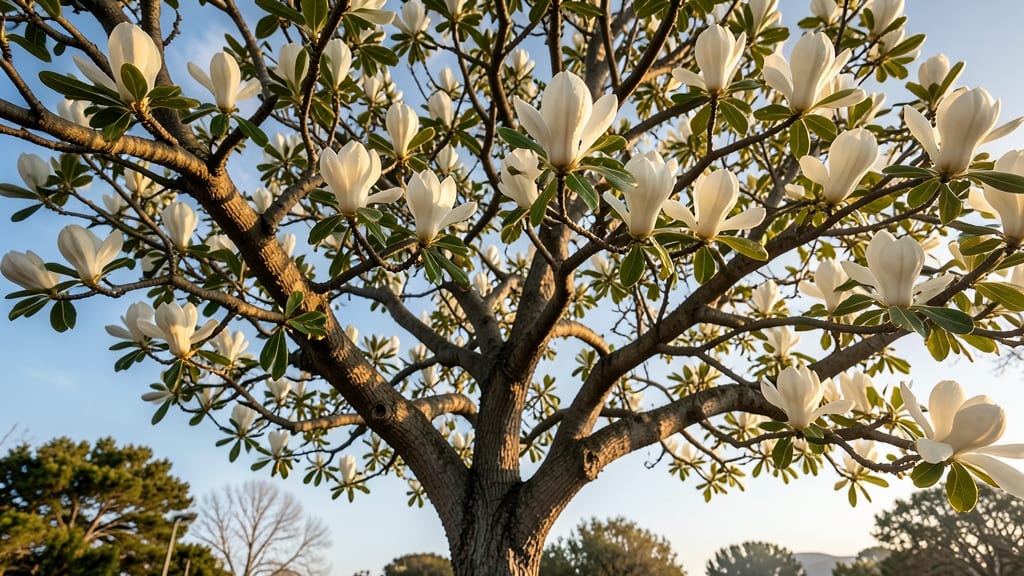
California’s diverse climate supports stunning white-flowering trees that transform gardens into dreamy, elegant landscapes. These 10 native and adaptable species offer year-round interest, from fragrant spring blooms to winter structure, ensuring your outdoor space remains a showstopper.
Pacific Dogwood Tree’s Delicate White Blossoms
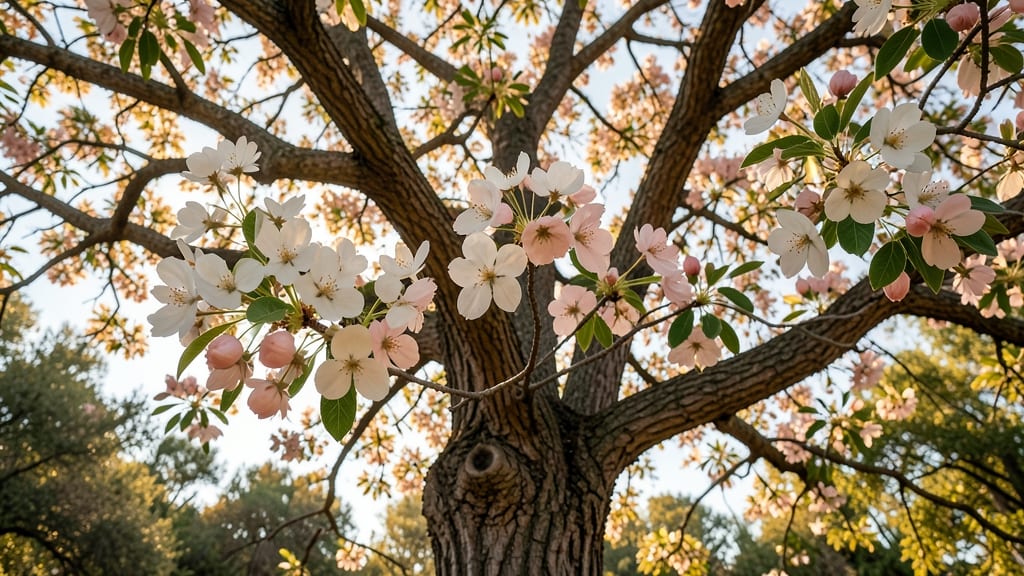
The Pacific dogwood (Cornus nuttallii) is California’s state tree—and for good reason. Its iconic four-petal white blossoms burst forth in spring, creating a breathtaking focal point that rivals any imported ornamental tree. What makes it truly special is how these flowers gradually shift from pure white to soft pink as they age, offering a dramatic seasonal color show that keeps your garden dynamic.
Thriving in coastal climates (USDA Zones 7-9), this tree loves morning sun and afternoon shade, making it perfect for gardens near the ocean or in foggy inland areas. Plant it in well-draining soil with moderate moisture—once established, it’s surprisingly drought-tolerant. For maximum impact, pair it with ferns or rhododendrons to highlight its delicate blooms while providing understory companions.
This tree is ideal for gardeners who want low-maintenance elegance with year-round interest. Its smooth bark and glossy leaves add texture even after the flowers fade, while its compact size (20-30 feet tall) fits beautifully in both large landscapes and smaller yards. 🌟
California Sycamore’s Towering White Flower Clusters
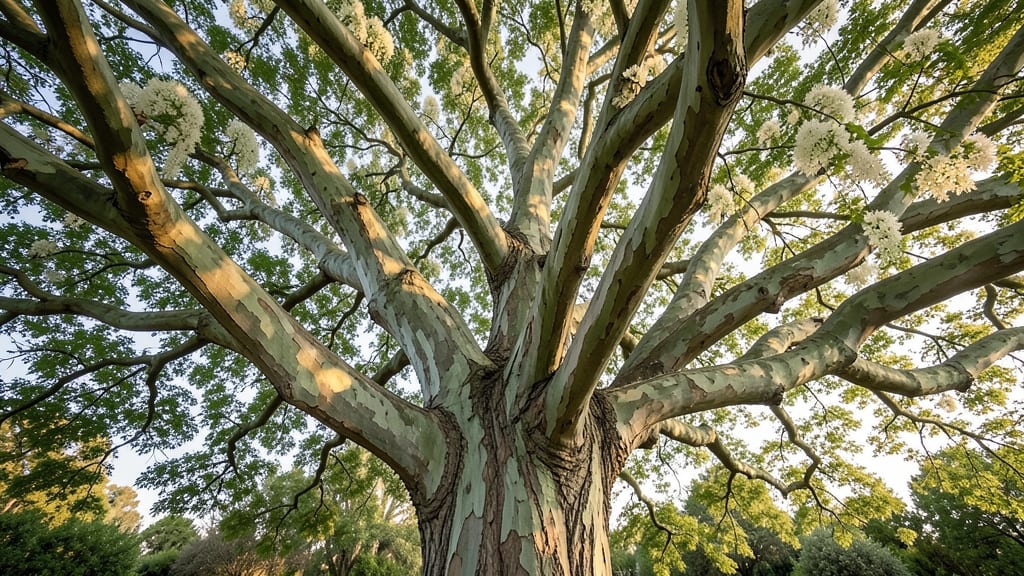
If you’re dreaming of a statement tree that grows fast and delivers drama year-round, the California sycamore (Platanus racemosa) is your answer. Its towering white flower clusters in spring create a breathtaking canopy, while its signature peeling bark—mottled in shades of green, gray, and white—adds architectural texture even when the tree isn’t in bloom.
This fast-growing tree (up to 3 feet per year) thrives in full sun to partial shade and tolerates a wide range of soils, making it ideal for urban landscapes or large gardens. Plant it near patios or walkways to enjoy its shade and striking visual appeal. Prune lightly in late winter to maintain its shape, but avoid heavy trimming, as sycamores develop a strong, sturdy structure naturally.
Perfect for gardeners who want low-maintenance beauty with high impact, the California sycamore also supports local wildlife by providing nesting sites and food. Its adaptability makes it a standout choice for both coastal and inland California gardens. 🌟
Fremont Cottonwood’s Fluffy White Seed Puffs
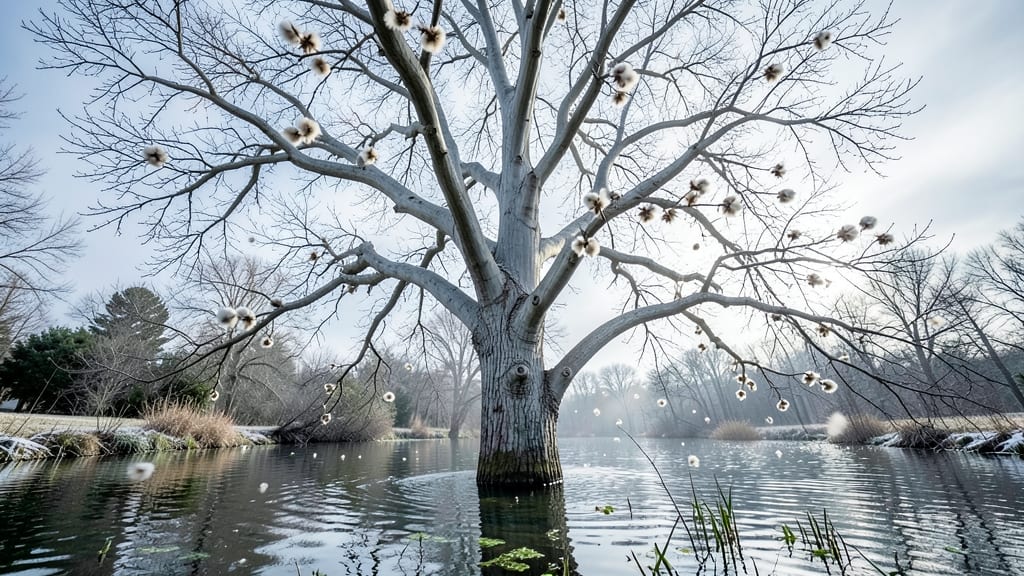
While most trees shed their leaves in winter, the Fremont cottonwood (Populus fremontii) transforms dormancy into a magical display with its fluffy white seed puffs that drift like snowflakes on the breeze. This native California tree thrives alongside ponds, streams, and other water features, where its willow-like leaves create a graceful, feathery silhouette.
Plant it within 10-15 feet of a water source to mimic its riparian habitat, as its roots need consistently moist soil. The seed heads appear in late winter or early spring, offering whimsical texture when other trees are bare. Prune lightly in late winter to shape the tree and remove dead branches, but avoid heavy pruning—this tree grows 30-50 feet tall with a broad canopy.
Perfect for gardeners who love year-round interest and wildlife-friendly landscapes, this tree also supports birds and bees. Its airy branches make it ideal for creating natural privacy screens near water gardens. 🌱
Western Redbud’s Early Spring White Flowers
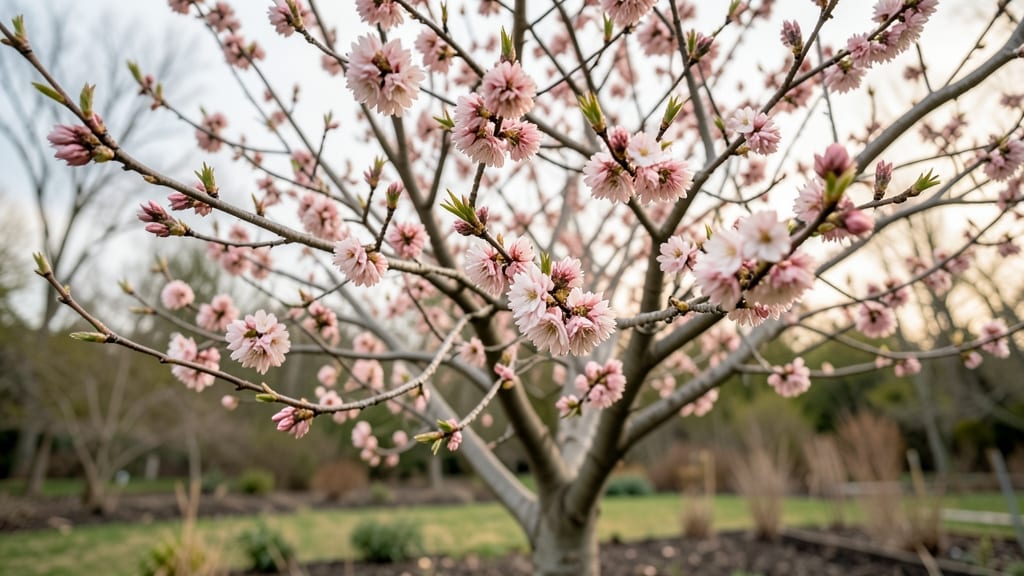
If you crave early spring color when most gardens are still dormant, the Western redbud delivers a stunning show with its pale pink to white flower clusters that appear before the leaves unfurl. This small but mighty tree is a standout for gardeners with limited space or those who love container gardening.
Native to California’s foothills and mountains, the Western redbud thrives in USDA zones 5-9, making it adaptable to many regions. Its 10-20 foot height and rounded shape fit perfectly in small yards, patios, or even large containers. Plant it in full sun to partial shade and well-draining soil for optimal blooms. Prune lightly after flowering to maintain its shape without sacrificing next year’s display.
Perfect for urban gardeners or beginners, this tree offers low-maintenance beauty with minimal effort. Its early blooms also provide a vital food source for bees and other pollinators. 🌱
Toyon Holly’s Winter White Flower Clusters
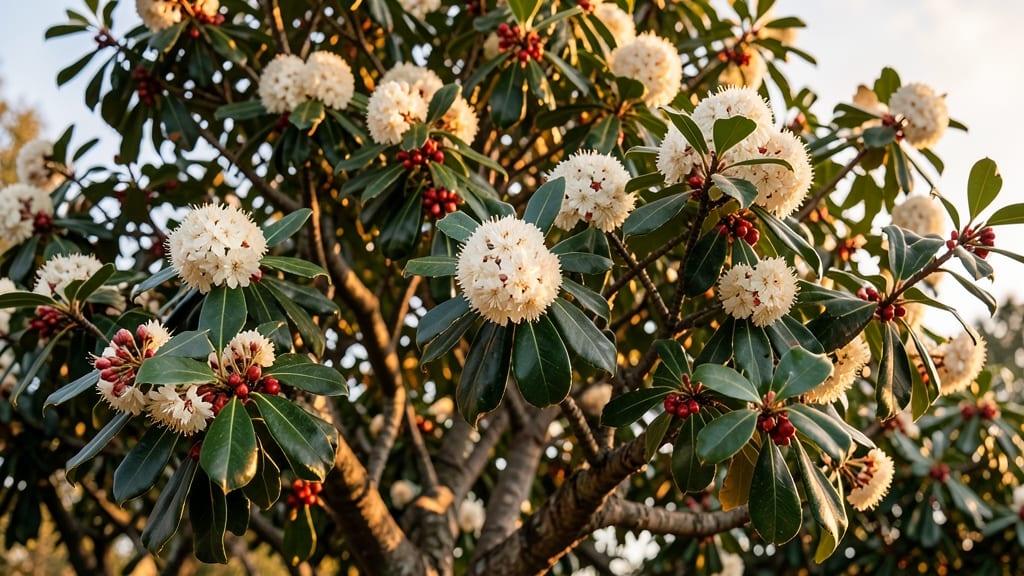
While most white-flowering trees steal the show in spring, toyon holly (Heteromeles arbutifolia) delivers a stunning late-season performance with abundant white flower clusters that appear in fall—often when other gardens are winding down. This California native doesn’t just stop there: its glossy evergreen leaves and bright red berries provide year-round color, making it a standout for wildlife and winter interest.
Thriving in full sun to partial shade, toyon holly adapts to various conditions, including coastal climates and inland gardens. Its dense, multi-stemmed growth habit makes it ideal for hedges, screens, or focal points, while its berries feed birds through winter. Prune lightly after flowering to maintain shape, and watch pollinators flock to its late-season blooms—a rare treat for gardeners craving color after summer fades. 🌟
Bigleaf Maple’s Fragrant White Spring Blooms
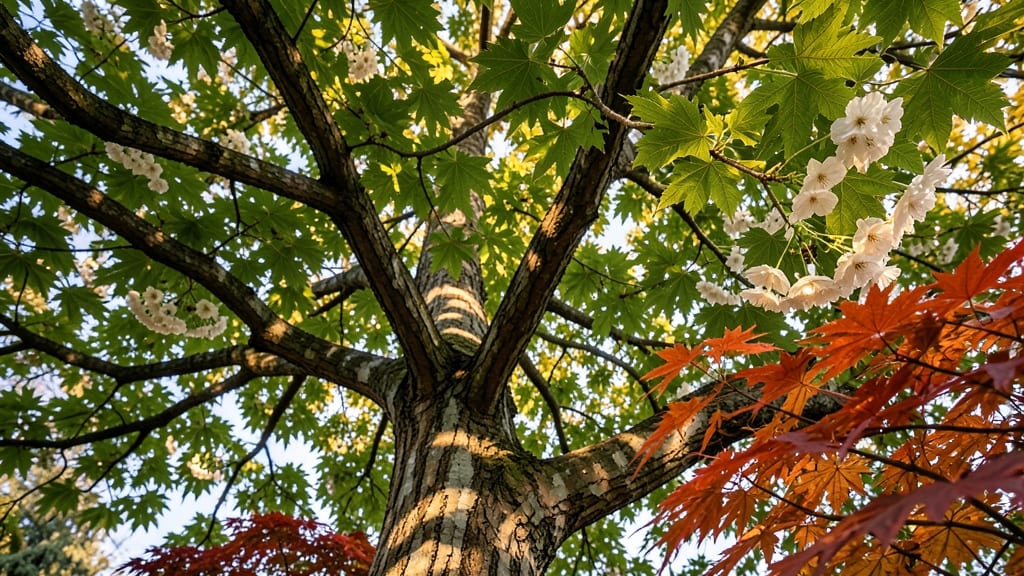
If you love the idea of a tree that delivers drama in both spring and fall, the bigleaf maple (Acer macrophyllum) is your secret weapon. While its fiery red fall foliage steals the show, this underrated tree also produces clusters of fragrant white flowers in late spring, creating a two-season spectacle that’s hard to beat.
Native to California’s coastal forests, this tree thrives in partial to full shade, making it ideal for woodland gardens or as a focal point under mature oaks. Its large, glossy leaves (up to 12 inches wide!) provide lush year-round texture, while the spring blooms attract pollinators like bees and butterflies. For best results, plant in well-draining soil and water deeply during the first growing season to establish strong roots.
Perfect for gardeners who want low-maintenance elegance without sacrificing seasonal interest, the bigleaf maple’s dual-season beauty makes it a standout choice for shade-loving landscapes. 🌿
California Lilac’s Sweet-Scented White Flower Spikes
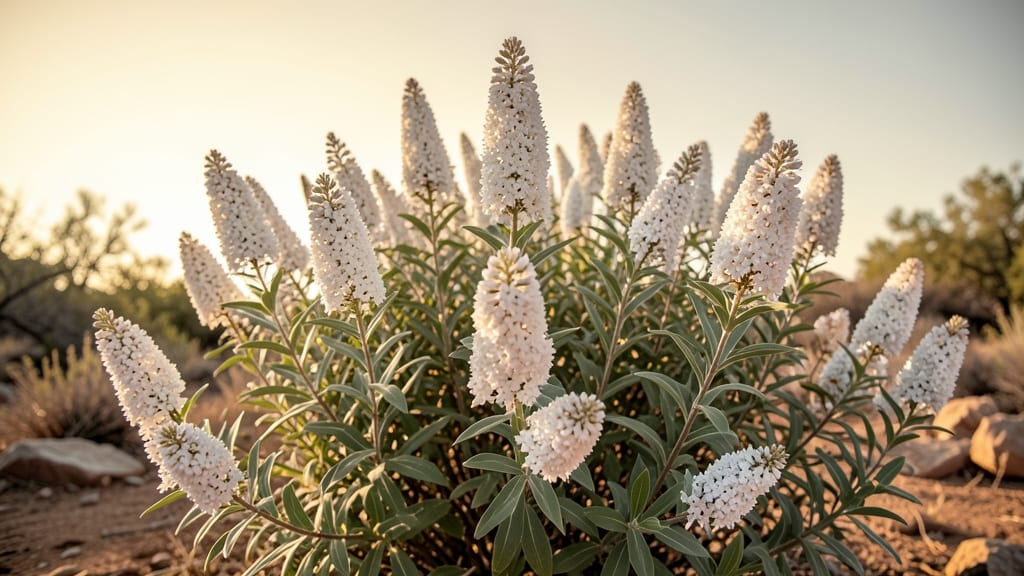
If you crave the classic lilac fragrance but want a plant that thrives in California’s dry conditions, California lilac (Ceanothus) delivers the same sweet scent without the high water demands. This drought-tolerant shrub produces dense spikes of white flowers that perfume the air while attracting bees, butterflies, and hummingbirds.
Unlike traditional lilacs, California lilac blooms in late spring to early summer and handles full sun to partial shade with ease. Prune lightly after flowering to maintain shape and encourage new growth. Its evergreen foliage provides year-round structure, making it ideal for hedges, borders, or as a focal point in low-water landscapes.
Perfect for gardeners seeking fragrance without the fuss, this plant is especially valuable in urban gardens or areas with water restrictions. 🌿
Desert Willow’s White Trumpet-Shaped Flowers
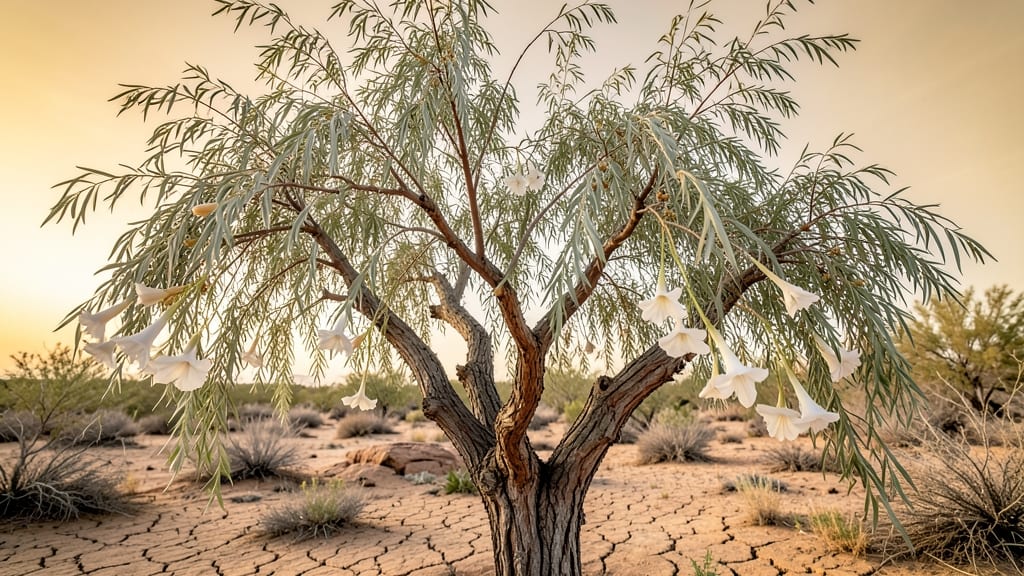
If you’re dreaming of a low-water garden that still bursts with color, the desert willow (Chilopsis linearis) is your secret weapon. Unlike other white-flowering trees, this native beauty thrives in full sun and arid conditions, making it a standout for xeriscaping or desert landscapes.
Its willow-like leaves and trumpet-shaped white flowers bloom from late spring through summer, often reblooming into fall. With minimal care—just occasional deep watering once established—this tree adds dramatic height (15–30 feet) while requiring no extra irrigation once rooted. The flowers even attract hummingbirds, turning your garden into a lively pollinator hub.
Perfect for gardeners in USDA zones 9–11, the desert willow brings desert elegance without the fuss. Whether you’re landscaping a new home or revamping a drought-prone yard, this tree delivers year-round structure and seasonal blooms with almost no effort. 🌻
Coast Live Oak’s Subtle White Spring Flowers
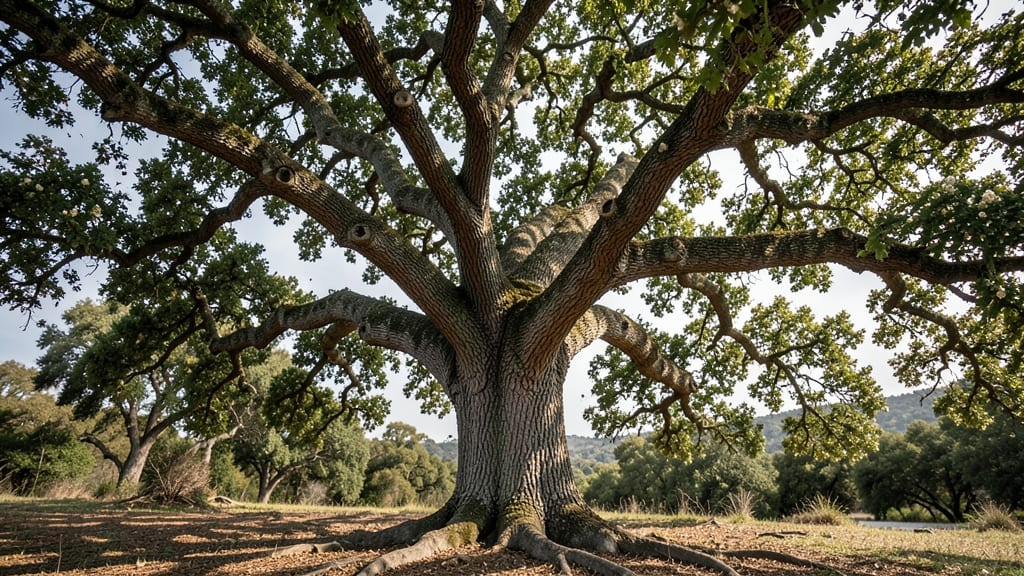
If you’re dreaming of a century-old tree that needs almost no care but delivers shade, wildlife habitat, and subtle beauty, the coast live oak is your answer. While its small white spring flowers might go unnoticed, they’re a vital pollinator magnet and a sign of this tree’s incredible resilience.
This long-lived native oak thrives in California’s coastal climates, with sturdy branches that create a natural canopy for decades. Plant it in full sun for optimal flowering, and expect its dense foliage to provide year-round shade. The oak’s acorns also support local wildlife, making it a true ecosystem builder. Just avoid overwatering—once established, it’s drought-tolerant and low-maintenance.
Perfect for large gardens, parks, or even as a focal point in urban landscapes, this tree rewards patience with generations of beauty and function. 🌿
Cape May Magnolia’s Late-Season White Blooms

When your garden craves a dramatic finale to summer, the Cape May magnolia delivers with its stunning late-season white blooms that appear when most flowers have faded. This deciduous beauty thrives in coastal California climates, offering a breathtaking display from mid-to-late summer that hummingbirds can't resist.
Plant it in partial shade where it can enjoy morning sun and afternoon shade, and expect glossy dark green leaves that provide year-round interest. The tree’s fragrant, cup-shaped flowers (up to 6 inches wide) create a romantic focal point, while its compact size (20-30 feet tall) makes it ideal for smaller gardens or as a specimen plant.
Perfect for gardeners who want to extend their blooming season, this magnolia brings both beauty and ecological benefits—hummingbirds will flock to its nectar-rich flowers. 🌻