
Container Gardens
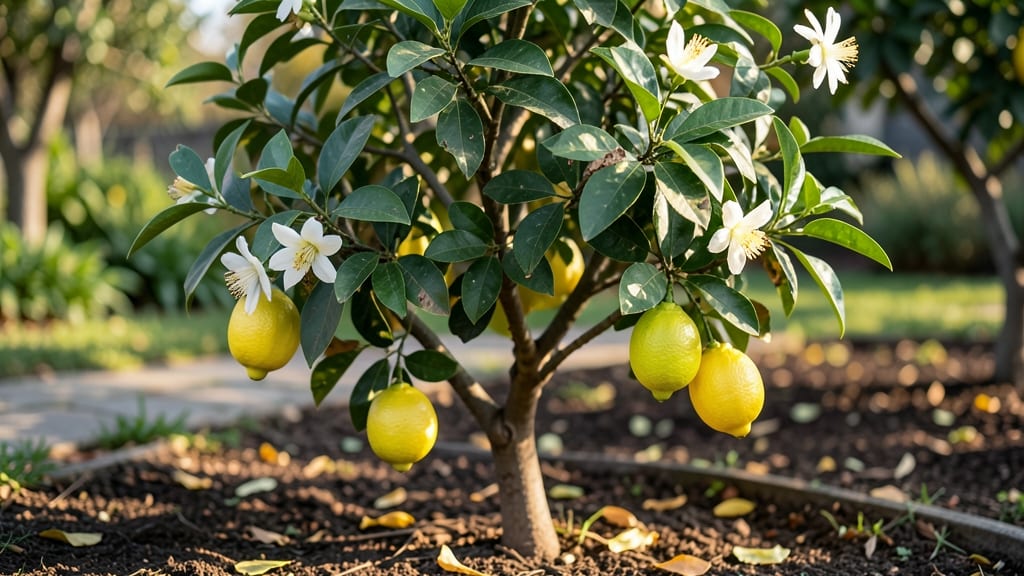
You can grow a lemon tree in Illinois with careful planning, using cold-hardy dwarf varieties, container cultivation, or protected greenhouse environments to shield roots from sub-freezing temperatures that would otherwise kill the plant.
Illinois's USDA zones 5-6 present real challenges for citrus trees, which thrive in zones 9-11. 🌱 The main hurdle is winter survival—most lemon trees can't tolerate temperatures below 20°F, while Chicago and northern Illinois regularly see -10°F dips.
Even if you protect your tree, cold snaps can damage blossoms and young fruit, reducing or eliminating your harvest. The key is choosing varieties bred for resilience, like the Meyer lemon, which handles cooler conditions slightly better than standard varieties.
For best results, I recommend starting with a dwarf variety in a large container (at least 15-gallon size) that you can move indoors or into a garage during winter. This gives you flexibility to shield the tree from frost while still enjoying outdoor growing conditions during warmer months.
Just be sure to use well-draining potting mix and keep it in full sun—citrus trees need 6-8 hours of direct sunlight daily to produce fruit.
💡 In This Article
- Illinois Climate Challenges for Lemon Trees
- Best Lemon Tree Varieties and Growing Methods for Illinois
Illinois climate challenges for lemon tree cultivation
Lemon trees originate from subtropical regions where temperatures rarely drop below 20°F, making Illinois's USDA zones 5-6 a tough environment. The state's cold winters—especially in northern areas like Chicago—can plunge to -10°F or lower, far beyond what citrus trees can tolerate.
Even the hardiest varieties begin suffering damage at 25°F, with blossoms and young fruit particularly vulnerable to frost, which can kill them within hours.
The real danger isn't just the extreme cold but the rapid temperature swings Illinois experiences. These fluctuations stress the tree's system, causing cellular damage that manifests as leaf scorch, stunted growth, or complete die-off.
For example, a Meyer lemon tree might survive a 28°F night if protected, but repeated exposure to 20°F temperatures will eventually kill it. The tree's natural defenses—like thick waxy leaves—are designed for warm, stable climates, not the freeze-thaw cycles of the Midwest.
Another critical factor is flowering and fruit development. Lemon trees need consistent warmth to set fruit, and cold snaps during bloom (typically spring) can destroy flower buds before they even open. This is why Illinois growers often see minimal to no fruit production unless they take aggressive protective measures.
The tree's energy also gets diverted toward survival rather than growth or fruiting when stressed by cold.
Light conditions in Illinois—while plentiful in summer—can become limiting during winter months when days are short. Lemon trees require 12+ hours of daylight for optimal photosynthesis, and indoor growing spaces often lack sufficient brightness.
Without proper light, the tree weakens, making it even more susceptible to cold damage when transitioned back outdoors in spring.
Humidity plays a hidden role too. Illinois's dry winters (especially with indoor heating) create a low-humidity environment that citrus trees despise. Their native habitats have 60-80% humidity, while indoor air during winter often drops to 20-30%**, causing leaf edges to brown and crisp—a condition called desiccation.
This further stresses the tree, making it more vulnerable to cold-related issues.
For comparison, California's coastal regions (where lemons thrive commercially) maintain year-round temperatures between 50-80°F with minimal frost risk. Illinois's climate is essentially the opposite: hot summers (80-90°F) and frigid winters (-10°F to 30°F).
This extreme contrast forces growers to treat lemon trees almost like houseplants with seasonal outdoor privileges rather than permanent landscape features.