
Diseases
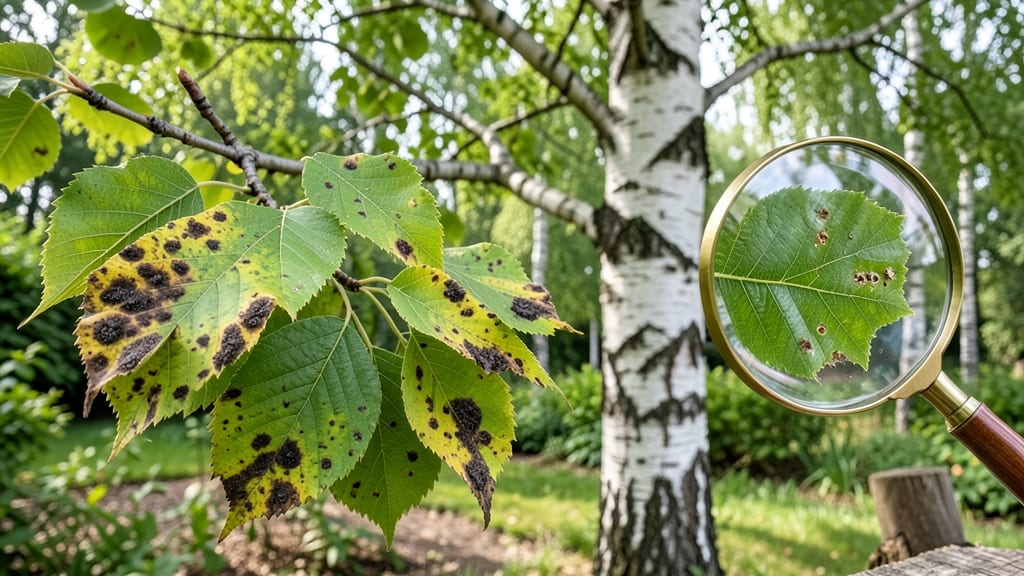
Your birch tree’s leaves are whispering secrets—those birch tree diseases leaves with mysterious spots and patches aren’t just cosmetic. 🌿 I’ve spent years tracking birch leaf blight, fungal cankers, and even bronze birch borer damage, and the patterns reveal exactly what’s wrong (and how to fix it).
Start by checking for irregular brown spots with yellow halos—that’s likely a fungal infection. Or if you see peeling bark and oozing sap, it’s a canker. The good news?
Most birch diseases respond well to pruning, fungicides, or even just better air circulation. I’ll walk you through the telltale signs and treatments that actually work.
By the end, you’ll spot the difference between a treatable leaf spot and a serious infestation. The key is acting fast—once the fungus spreads, it’s harder to reverse. Think of this as your birch tree’s first line of defense, with organic and chemical options for every situation.
Whether you’re dealing with a young sapling or a mature tree, these strategies keep birches healthy for decades. Let’s get those leaves back to their bright, vibrant best—no more guessing what’s wrong.
Root Causes Of Birch Leaf Damage
Understanding why birch tree leaves develop diseases—like leaf spot or canker—often comes down to environmental stress, microbial invaders, or poor tree health. Let’s break down the key culprits behind these issues, so you can take action before they spread.
Fungi are the #1 cause of birch leaf diseases, thriving in moist, warm conditions. Here’s how they exploit your tree:
- Overhead Watering or Rain
- Fungal spores (like Marssonina or Septoria) splash onto leaves from soil or infected debris.
- Actionable fix: Water at the base, not overhead, and improve drainage to reduce leaf wetness.
- Slow-Drying Leaves
- Birch leaves stay damp for long periods (e.g., in shaded or humid areas), giving fungi time to infect.
- Pro tip: Prune for airflow and avoid planting birches in low-lying spots where water pools.
- Weakened Tree Defense
- Stressed trees (from drought, poor soil, or pests) can’t fight off fungal attacks.
- Solution: Fertilize with balanced, slow-release nutrients (like 10-10-10) in early spring to boost immunity.
Diseases often sneak in when birches are already struggling. Common triggers include:
- Extreme Heat or Drought
- Prolonged dry spells weaken cell walls, making leaves susceptible to leaf scorch or fungal entry points.
- Fix: Mulch with 3–4 inches of organic matter (wood chips, compost) to retain moisture.
- Poor Air Circulation
- Dense foliage or nearby structures trap humidity, creating a fungal paradise.
- Solution: Thin out branches to 50–70% sunlight penetration and avoid planting birches too close to walls/fences.
- Nutrient Deficiencies
- Lack of magnesium (Mg) or zinc (Zn) leads to yellowing leaves (chlorosis), which fungi target.
- Test soil pH (ideal: 5.0–6.5) and amend with Epsom salt (for Mg) or chelated zinc if needed.
Insects like birch leafminers or borers don’t just eat leaves—they create wounds that invite disease.
Watch for: - Sawfly Larvae: Chew leaf edges, leaving jagged holes where fungi like Gloeosporium enter. - Scale Insects: Excrete honeydew, fostering sooty mold (a black fungal growth). - Action: Apply neem oil or horticultural oil in early spring to disrupt pest life cycles.
Even well-meaning gardeners accidentally set birches up for failure:
- Over-Fertilizing with Nitrogen: Leads to soft, sappy growth that fungi love.
- Fix: Use a low-N formula (e.g., 5-10-10) and focus on phosphorus (P) for root strength.
- Ignoring Pruning Hygiene: Leaving dead branches or infected wood spreads spores.
- Step-by-step: ✂️ Sterilize pruners with rubbing alcohol, remove diseased limbs 6+ inches below lesions, and dispose of debris in sealed bags.
Some diseases start below ground:
- Armillaria Root Rot: A fungal "bootlace" that girdles roots, starving the tree.
- Signs: White fungal shelves at the base + sudden leaf yellowing.
- Prevention: Avoid planting birches in former orchard sites (where root rot may linger).
- Phytophthora: A water mold that thrives in compacted, waterlogged soil.
- Fix: Amend clay soil with sand/compost and raise beds if drainage is poor.
Key Takeaway: Most birch leaf diseases are opportunistic—they exploit stress, not random chance. By addressing water management, airflow, nutrition, and pest control, you can starve out fungi before they take hold. 🚀
Quick Fixes for Birch Tree Leaf Issues
Birch trees are stunning additions to any landscape, but when their leaves develop spots, discoloration, or cankers, they need your help to bounce back. The good news? Most birch tree diseases and leaf problems can be managed—or even prevented—with the right approach.
Below, we’ll map out practical solutions for common birch tree leaf issues, including leaf spot, canker diseases, and fungal infections. Follow these steps to restore your tree’s health and keep it thriving.
Leaf spot diseases (like Birch Leaf Spot or Anthracnose) are among the most common issues affecting birch trees. These fungal infections cause dark spots, yellowing, and early leaf drop—but they’re treatable!
🔥 Remove Infected Leaves Immediately
- Why? Fungal spores spread through fallen leaves, so removing them breaks the disease cycle.
- How? Rake up and dispose of (not compost!) infected leaves in a sealed bag. Avoid shaking branches, as spores can spread via wind.
🍳 Apply Fungicide at the Right Time
- Best fungicides: Copper-based sprays or neem oil (organic option) work well for fungal leaf spots.
- When to spray:
- Early spring (before buds swell) as a preventive measure.
- During wet periods (fungi thrive in moisture).
- How to apply:
- Spray evenly on both leaf surfaces and bark.
- Reapply every 2–3 weeks until new growth appears.
🌡️ Improve Air Circulation & Reduce Moisture
- Thin out dense foliage to allow sunlight and airflow.
- Water at the base (not overhead) to keep leaves dry.
- Avoid overhead irrigation—drip systems or soaker hoses help prevent fungal growth.
Cankers (like Birch Canker or Nectria Canker) create sunken, oozing wounds on bark and branches. If left untreated, they can weaken or even kill the tree.
🔪 Prune Infected Branches Properly
- When to prune: Late winter or early spring (when the tree is dormant).
- How to cut:
- Use sterilized pruners (wipe with rubbing alcohol between cuts).
- Cut 6–12 inches below the canker to remove infected tissue.
- Make clean, slanted cuts to prevent water pooling.
- Dispose of infected wood in a sealed bag—do not burn (spores can spread via smoke).
👨🍳 Seal Wounds with Pruning Paint (Sometimes)
- When to use: Only for large wounds (over ½ inch wide).
- What to use: A tree wound sealant (like Tanglefoot Tree Wound Pruning Sealer).
- Why? Prevents secondary infections, but skip it for small cuts—birch bark heals naturally.
🌧️ Boost Tree Health to Fight Off Infections
- Water deeply during droughts (birch trees are sensitive to stress).
- Mulch properly: Apply 2–4 inches of mulch (wood chips or bark) 3 inches away from the trunk to retain moisture and regulate soil temp.
- Fertilize lightly in early spring with a balanced, slow-release fertilizer (10-10-10).
The best defense is a strong, healthy tree. Follow these pro tips to keep your birch tree resilient:
💡 Choose Disease-Resistant Varieties (If Planting New)
- Some birch types (like River Birch or Paper Birch) are less prone to canker diseases.
- Avoid weaker hybrids if disease is a recurring issue in your area.
🎯 Monitor & Act Fast
- Inspect leaves monthly for early signs of spots or discoloration.
- Catch cankers early—small wounds heal better than large, neglected ones.
🌡️ Avoid Overwatering & Compacted Soil
- Birch trees hate soggy roots—ensure good drainage.
- Aerate compacted soil if needed (especially in clay-heavy areas).
Final Thought: With proactive care, your birch tree can recover from leaf diseases and cankers while staying strong for years. Act fast when you spot issues, and your tree will thank you with lush, healthy foliage! 🌳💚
Frequently asked questions
Why do my birch leaves have brown spots with yellow edges?
Those are classic signs of birch leaf spot, caused by fungal spores like Marssonina. The yellow halos appear when the fungus breaks down leaf tissues. This thrives in wet conditions, so prune for better airflow and apply copper fungicide in early spring to prevent spread.
Can I save a birch tree with peeling bark and oozing cankers?
Yes, but act fast! Prune 6+ inches below the canker using sterilized tools, then dispose of infected wood. Seal large wounds with pruning paint if needed, and improve drainage—birches hate soggy roots. For severe cases, consult an arborist about systemic fungicides.
What’s the difference between leaf spot and bronze birch borer damage?
Leaf spot shows as dark spots with yellow borders, while borer damage starts with thinning foliage and sawdust-like frass near the trunk. Borers create tunnels under bark, causing dieback. Treat borers with horticultural oil in spring, while leaf spot needs fungicides.
Will removing infected leaves stop the disease from spreading?
Rake up and dispose of (not compost!) fallen leaves to break the fungal cycle. Avoid shaking branches—spores can spread via wind. For heavy infestations, also apply neem oil or copper fungicide every 2-3 weeks during wet periods.
How do I know if my birch tree’s leaves are diseased or just stressed?
Check for specific patterns: Fungal diseases show spots or patches, while stress causes uniform yellowing or browning. Also look for pests (like sawfly larvae) or environmental clues (overwatering, poor soil). Test soil pH (5.0-6.5 ideal) and adjust care accordingly.