
How To
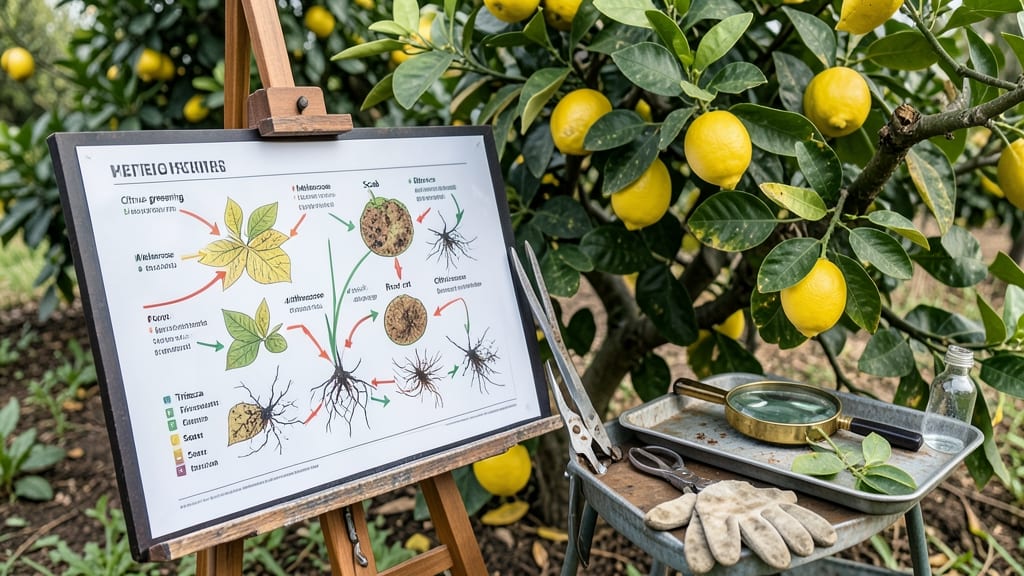
Identifying citrus tree diseases early saves your harvest—and sometimes the tree itself. 🌿 I’ve watched leaf spot and canker spread from a single branch to the whole tree in just weeks, turning vibrant foliage into a sad, spotted mess.
The key is catching these diseases before they take hold, and that starts with knowing exactly what to look for on leaves, stems, and fruit.
Citrus canker, for example, creates raised, water-soaked spots that ooze when touched, while greasy spot leaves a yellow, greasy sheen that spreads like a stain. Root rot, on the other hand, shows up as wilting leaves even when the soil is wet—a sure sign the roots can’t absorb water anymore.
Each disease leaves a distinct fingerprint, and learning to read those clues is the first step to saving your tree.
By the end of this guide, you’ll recognize these warning signs in seconds—no guesswork. You’ll also know when to prune infected branches (safely!) and when to call in a pro for stubborn cases.
The goal? A thriving citrus tree that produces fruit year after year, not a sad, struggling shadow of its former self.
We’ll cover the most common diseases, how they spread, and the simple steps to stop them in their tracks. No complicated terms—just what you need to keep your citrus healthy and happy. Let’s get started!
Root Causes of Citrus Tree Troubles
Citrus trees, with their vibrant blooms and juicy fruits, can quickly become a gardener’s pride—until disease strikes. But why do these resilient trees suddenly develop leaf spots, cankers, or other distressing symptoms? The answer often lies in a mix of environmental stressors, microbial invaders, and even human habits.
Understanding the root causes of citrus tree diseases helps you take proactive steps to protect your grove. Let’s break down the science behind the suffering.
Citrus trees thrive in warm, humid climates, but when conditions veer too far from their comfort zone, their defenses weaken. Here’s how environmental factors set the stage for disease:
- Excess Moisture: Overwatering or poor drainage creates a soggy soil environment, perfect for fungal spores like those causing citrus scab or melanose. Wet leaves (especially overnight) trap moisture, giving pathogens a direct highway to invade.
- Extreme Temperatures: Sudden cold snaps or heatwaves stress trees, making them more susceptible to infections. For example, canker diseases (like Xanthomonas) exploit weakened bark caused by temperature fluctuations.
- Poor Air Circulation: Dense foliage or overcrowded trees trap humidity and block sunlight, creating ideal conditions for fungal growth. This is why leaf spot diseases often appear in shaded, clustered areas.
Pro Tip: 🌡️ Monitor your tree’s microclimate—mulch properly, prune for airflow, and avoid watering late in the day to reduce moisture retention.
Diseases don’t just happen—they’re caused by microscopic organisms waiting for the perfect opportunity to strike. Here’s how the most common citrus pathogens gain a foothold:
| Disease | Causative Agent | How It Infects |
|---|---|---|
| Citrus Canker | Bacteria (Xanthomonas citri) | Enters through wounds (pruning cuts, hail damage) or natural openings like stomata. Spreads via wind, rain, or contaminated tools. |
| Melanose | Fungus (Diaporthe citri) | Spores land on leaves or fruit, germinate in wet conditions, and penetrate the cuticle. Thrives in humid, warm weather. |
| Leaf Spot (Alternaria) | Fungus (Alternaria alternata) | Survives on dead plant debris or infected leaves. Spreads via splashing water or tools during pruning. |
| Root Rot | Fungi (Phytophthora species) | Invades through waterlogged soil, attacking roots and blocking nutrient uptake. |
Key Insight: Many pathogens are opportunistic—they don’t attack healthy trees. Weakness (from stress, injury, or poor care) is their gateway.
Even the most resilient citrus trees can fall prey to diseases introduced—or worsened—by gardening habits. Here’s how human actions play a role:
- Improper Pruning: Jagged cuts or over-pruning create entry points for bacteria and fungi. Always use sterilized tools and make clean, angled cuts.
- Contaminated Tools/Soil: Reusing pruners, stakes, or even gloves without cleaning can spread pathogens like Xanthomonas from one tree to another.
- Over-Fertilization: Too much nitrogen promotes lush, soft growth that’s more vulnerable to fungal infections. Balance is key!
- Ignoring Debris: Leaving fallen leaves, fruit, or prunings on the ground provides a breeding ground for fungal spores. Remove and destroy infected plant material promptly.
Pro Tip: ✨ Preventative care is your best defense—sterilize tools with rubbing alcohol, space trees for airflow, and rotate crops if growing in containers.
By addressing these root causes—whether environmental, microbial, or cultural—you’ll dramatically reduce the risk of citrus tree diseases. The next step? Learn to spot the warning signs early so you can act before the problem spreads.
How to Treat and Prevent Citrus Tree Diseases
Once you’ve spotted the warning signs—whether it’s the telltale leaf spots or the ominous cankers—it’s time to act. The good news? Most citrus tree diseases can be managed (or even prevented) with the right approach.
Below, we break down practical solutions for each common issue, plus prevention tips to keep your trees thriving.
Leaf spots are often the first sign of trouble, but they’re also the easiest to manage if caught early. Here’s how to stop the spread and restore your tree’s health:
🔥 Remove Infected Leaves & Debris - Why? Fungal spores thrive in damp, decaying leaves.
Removing them cuts off the infection cycle. - How? - Pick off yellowing or spotted leaves (wear gloves—some fungi can irritate skin). - Drop them into a sealed plastic bag (not your compost bin—spores can survive). - Prune branches with heavy infestation (sterilize pruners with 70% rubbing alcohol between cuts).
🍳 Apply Fungicide (Organic or Chemical)
- Best options:
- Copper fungicide (e.g., Bordeaux mixture or copper soap) – Works for melanose and scab.
- Neem oil (1% solution) – Natural fungicide that also deters pests. Spray in the evening to avoid leaf burn.
- Sulfur-based fungicides (like limesulfur) – Effective for scab but use only in cool weather (it burns leaves in heat).
- When to spray?
- Preventively in spring (before new growth) and fall (after harvest).
- After rain (fungi spread faster when leaves stay wet).
👨🍳 Improve Airflow & Reduce Moisture - Why? Fungi love humidity.
Poor airflow = more disease. - How? - Prune to open up the canopy (let sunlight and air reach inner branches). - Space trees at least 10–15 feet apart (if replanting). - Water at the base (avoid overhead sprinkling—wet leaves = fungal buffet). - Mulch (2–3 inches of wood chips or straw) to keep soil moist but not soggy.
🌡️ Boost Tree Health Naturally
- Fertilize with balanced citrus fertilizer (high in nitrogen for leaves, potassium for disease resistance).
- Avoid overwatering – Let soil dry slightly between waterings.
- Test soil pH (citrus prefers 6.0–7.0).
Adjust with lime (to raise pH) or sulfur (to lower pH) if needed.
Cankers are serious—they can girdle branches and kill trees if ignored. Here’s how to save your tree:
⏰ Prune Infected Areas Aggressively
- Why? Cankers won’t heal on their own—they spread.
- How?
- Cut out cankers and 2–3 inches of healthy tissue beyond the affected area.
- Burn or bag pruned material (do not compost—bacteria can survive).
- Sterilize tools between cuts (use bleach solution or rubbing alcohol).
💡 Use Copper-Based Bactericides
- Best for bacterial canker:
- Copper hydroxide (e.g., Kocide 3000) – Spray every 7–14 days during wet seasons.
- Copper octanoate (less phytotoxic than other coppers).
- For fungal canker:
- Copper fungicide (same as for leaf spots) + pruning.
🎯 Prevent Future Outbreaks
- Avoid overhead irrigation (use drip systems).
- Plant resistant varieties (e.g., ‘Carrizo’ citrange or ‘Swingle’ citrumelo hybrids tolerate canker better).
- Clean tools & equipment before and after use (bacteria hitchhike on blades).
- Remove volunteer citrus trees (wild seedlings can harbor diseases).
Diseases are easier to prevent than cure. Follow these pro tips to minimize risks:
- 💡 Choose disease-resistant rootstocks (e.g., trifoliate orange for canker resistance).
- 🌡️ Monitor humidity – Use a hygrometer (ideal range: 40–60%).
- 🍎 Practice crop rotation (if growing multiple citrus types, alternate planting spots).
- 🔥 Solarize soil (in hot climates, cover soil with clear plastic for 4–6 weeks to kill fungal spores).
- 🐞 Encourage beneficial insects (ladybugs, lacewings) – they help control pests that stress trees.
If your tree is heavily cankered, wilting, or oozing sap, it may need professional help.
A certified arborist can: - Assess hidden infections (some cankers are internal). - Recommend systemic treatments (like copper injections for severe cases). - Advise on tree removal if the disease is beyond saving (better to lose one tree than risk the whole grove).
Final Thought: Most citrus diseases are manageable with early action and good hygiene. Stay vigilant, prune regularly, and treat preventively—your trees will reward you with years of juicy, healthy fruit! 🍊🍋
Frequently asked questions
What’s the difference between citrus canker and leaf spot diseases?
Citrus canker creates raised, crusty lesions with yellow halos that ooze when touched, while leaf spots appear as flat, greasy-looking marks (often yellow or brown). Canker attacks stems and fruit too, but leaf spots stay on leaves. The key difference? Canker is bacterial and spreads faster in wet weather.
Can I still harvest fruit from a diseased citrus tree?
Only if the disease hasn’t reached the fruit. For leaf spots, remove infected leaves but leave fruit. With canker, avoid fruit near lesions—it may be contaminated. Always wash citrus thoroughly before eating, even from healthy-looking trees. When in doubt, discard fruit from heavily infected branches.
How often should I inspect my citrus trees for diseases?
Check your trees every 2 weeks during growing season (spring-fall), and monthly in winter. Focus on new growth, undersides of leaves, and young fruit. Early detection is critical—some diseases (like canker) can spread in just 7–10 days if left unchecked. Use a magnifying glass for close inspection.
Will homemade remedies like baking soda really work for citrus diseases?
A 1-teaspoon baking soda + 1-quart water + drop of dish soap spray can help prevent fungal leaf spots (like Alternaria), but it won’t cure bacterial canker. For best results, use it as a preventative spray every 2 weeks during humid months. Always test on a small leaf first—some trees may react to the soap.
When should I call a professional arborist instead of treating myself?
Consult an expert if you see oozing cankers, sudden wilting, or large areas of dead bark. Also call if home treatments fail after 4–6 weeks or if your tree is a valuable variety. Arborists can test for hidden pathogens and recommend systemic treatments (like copper injections) for severe cases. Don’t wait—some diseases become untreatable quickly.