
Pests and Diseases
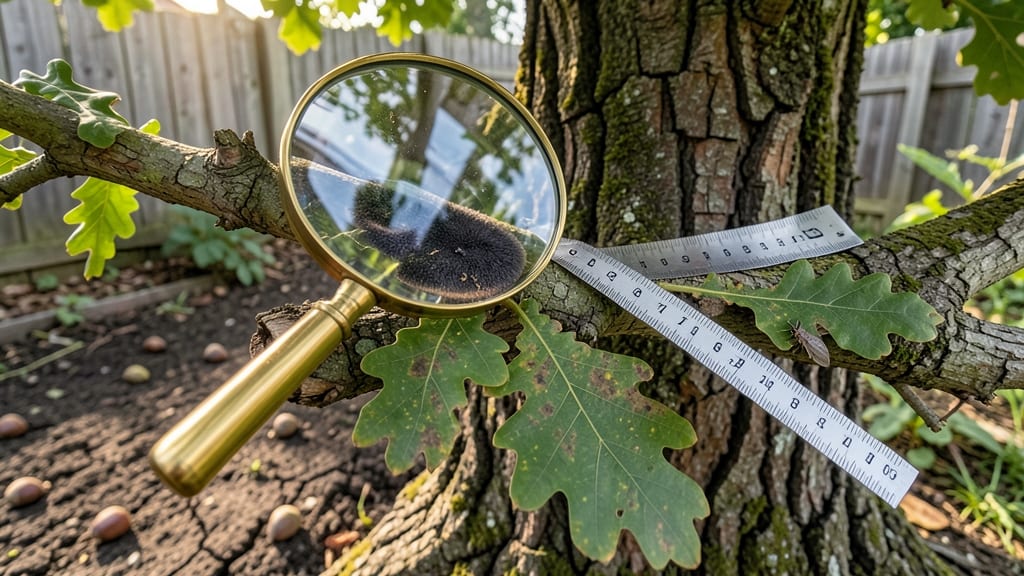
Those fuzzy, velvety patches of growth on oak tree leaves aren’t just unsightly—they’re fungal spots that spread fast if you ignore them. ✨ I’ve seen healthy oaks turn ragged in weeks when homeowners wait too long to act, but the good news is early treatment stops it in its tracks.
The culprit is usually anthracnose or powdery mildew, thriving in shady, damp conditions. You’ll spot them as grayish blotches, white fuzz, or dark spots with yellow halos—all signs your tree’s struggling to photosynthesize. The key is acting before the spots merge into one big mess.
With the right mix of pruning, fungicide, and better airflow, you’ll see fresh green leaves within 2-3 weeks. I’ve revived trees that looked dead by mid-summer just by following these steps—no heavy chemicals needed. The secret is catching it early.
Works for red, white, or pin oaks, and the same principles apply to other shade trees too. Here’s how to diagnose and fix it before it gets worse.
Why it happens
When you spot unusual growths on oak tree leaves—whether fuzzy, powdery, or slimy—it’s rarely a coincidence. These signs often point to specific environmental or biological triggers that create the perfect conditions for fungal infections, bacterial colonies, or pest infestations.
Understanding the root causes helps you act faster and prevent future outbreaks. Here’s what’s really fueling the problem:
🌱 Fungal Spores Taking Root
Fungal growth thrives on oak leaves because these trees provide an ideal buffet: moisture, organic matter, and weak defenses. Fungi like anthracnose or powdery mildew spread via microscopic spores that hitch rides on wind, rain, or even garden tools.
Once they land on a leaf, they germinate when conditions are right—typically in humid, shady, or overcrowded areas. Oak trees, especially young or stressed ones, can’t fight off these invaders as effectively, leading to unsightly (and often harmful) growths.
- 💡 Pro Tip: Prune branches to improve airflow—fungi love stagnant, damp spaces.
- ⚠️ Warning: Overhead watering (like sprinklers) can splash spores onto leaves, so aim for drip irrigation or water at the base.
🐛 Pests Creating a Gateway for Infection
Insects like oak leaf miners, scale insects, or aphids don’t just munch on leaves—they damage tissue, leaving wounds that fungi and bacteria exploit. For example, aphids secrete a sticky "honeydew" that attracts sooty mold, creating a black, crusty growth.
Meanwhile, leaf miners tunnel through leaves, weakening them and making them prime targets for secondary infections. If you see chewed edges, webbing, or tiny holes, pests are likely the unsung villains behind the fungal party.
- 🔍 Action Step: Inspect the undersides of leaves for eggs, larvae, or pest trails—this is where infestations start.
- 🌡️ Climate Connection: Warm, dry summers followed by sudden rain create a perfect storm for pest outbreaks.
🌧️ Weather Patterns Setting the Stage
Oak trees are resilient, but they’re not immune to Mother Nature’s whims. Prolonged wet conditions (like spring rains or poor drainage) keep leaves damp for days, giving fungi a 24/7 buffet. Conversely, drought stress weakens trees, making them more susceptible to attacks.
Even temperature swings—like hot days followed by cool nights—can trigger fungal spores to wake up and multiply. If your oak is in a low-lying area or near a water source, it’s basically inviting fungi to move in.
| Weather Condition | Fungal Risk | What to Do |
|---|---|---|
| Heavy, frequent rain | Anthracnose, leaf blight | Use fungicide (copper-based) and space out watering. |
| Extended drought | Weakened defenses → secondary infections | Deep water once a week to encourage root health. |
| High humidity + no airflow | Powdery mildew, rust | Prune for sunlight exposure and use a fan in greenhouses. |
🌿 Poor Tree Health as the Ultimate Invitation
A stressed oak tree is like an open door for pests and diseases. Nutrient deficiencies (especially nitrogen or potassium), compacted soil, or root damage all signal to fungi and bacteria: “Free real estate here!” Symptoms like yellowing leaves, stunted growth, or early leaf drop are red flags that your tree’s immune system is compromised.
Without proper care, even minor fungal spores can turn into full-blown infections.
- 💪 Boost Defenses: Apply a balanced fertilizer (10-10-10) in early spring and mulch to retain moisture and nutrients.
- ✨ Soil Check: Test your soil’s pH—oaks prefer slightly acidic (6.0–7.0). Amend with sulfur if it’s too alkaline.
🧪 Human Habits Accelerating the Problem
Believe it or not, some of the worst fungal outbreaks stem from well-meaning but misguided practices. Over-fertilizing with high-nitrogen products, for example, can burn roots and stress the tree.
Similarly, ignoring leaf litter (especially from infected trees) lets spores re-infect next season. Even reusing pruning tools without sterilizing them can spread diseases like oak wilt from tree to tree.
- 🔪 Tool Safety: Clean pruners with rubbing alcohol or a 10% bleach solution between cuts.
- 🍂 Cleanup Crew: Rake and dispose of fallen leaves (don’t compost them if infected).
- 🚫 Fertilizer Fails: Avoid quick-release nitrogen—opt for slow-release or organic options like composted manure.
Fixing Fungal Spots on Oak Leaves
Fungal growth on oak tree leaves can be unsightly and harmful, but with the right approach, you can restore your tree’s health. Below are practical, step-by-step solutions tailored to the most common causes—from fungal infections like anthracnose and leaf spot to environmental stressors.
If your oak tree is battling anthracnose, leaf spot, or powdery mildew, act fast to prevent spread.
🔥 Step 1: Prune Infected Leaves
- Remove severely damaged leaves (those with large brown spots, holes, or excessive fungal growth).
- Use sterilized pruners (wipe with rubbing alcohol between cuts) to avoid spreading spores.
- Dispose of infected foliage in a sealed trash bag—do not compost it.
🍳 Step 2: Apply Fungicide
- Choose a copper-based or neem oil fungicide (organic options like Serenade Garden Disease Control or copper fungicide sprays work well).
- Follow label instructions—typically, spray every 7–14 days during wet seasons (spring/fall).
- For severe cases, consider a systemic fungicide (e.g., Myclobutanil) for deeper protection.
👨🍳 Step 3: Improve Airflow and Light Fungi thrive in shady, humid conditions.
To prevent recurrence: - Thin out dense branches to allow sunlight and air circulation. - Avoid overhead watering—water at the base instead to keep leaves dry. - Space trees properly (oaks need 15–20 feet between them for airflow).
If growth is due to nutrient deficiency, overwatering, or poor soil, fix the root cause.
💡 Step 1: Test Soil and Amend as Needed - Check soil pH (oaks prefer 6.0–7.5).
Adjust with lime (to raise pH) or sulfur (to lower pH). - Add compost or slow-release fertilizer (look for balanced NPK like 10-10-10) in early spring. - Avoid high-nitrogen fertilizers—they encourage soft, fungus-prone growth.
🎯 Step 2: Water Correctly
- Water deeply but infrequently (1–1.5 inches per week, more in drought).
- Ensure proper drainage—oaks hate soggy roots. If soil stays wet, raise the planting area or add sand.
- Water in the morning so leaves dry quickly, reducing fungal risk.
✨ Step 3: Mulch Properly
- Use 2–4 inches of organic mulch (wood chips, pine straw) to retain moisture without suffocating roots.
- Keep mulch 6 inches away from the trunk to prevent rot.
- Replenish mulch annually to maintain soil health.
Once your oak tree recovers, keep it strong with these habits:
✅ Monitor regularly – Check leaves weekly in spring/fall for early signs of spots. ✅ Clean up fallen leaves – Rake and dispose of debris where fungi overwinter. ✅ Avoid wounding the tree – Prune only when necessary, and seal large cuts with pruning sealant. ✅ Encourage beneficial microbes – Add mycorrhizal fungi or compost tea to boost tree immunity. ✅ Plant resistant varieties – If possible, choose disease-resistant oak cultivars (e.g., Shumard oak handles stress better than some others).
If your oak tree shows:
- Widespread defoliation (more than 50% of leaves affected)
- Oozing sap or bark damage (signs of deeper infection)
- No improvement after 3–4 treatments
…consult an arborist for a soil test, deep fungicide injection, or structural assessment.
Remember: Patience is key—some fungal issues take 1–2 growing seasons to fully resolve. With consistent care, your oak will bounce back stronger than ever! 🌳💪
Frequently asked questions
Is that fuzzy white growth on my oak leaves dangerous?
It’s likely powdery mildew—a common fungal infection that’s more annoying than deadly. While it won’t kill a mature oak, severe cases can weaken the tree and reduce photosynthesis. Act fast with neem oil or sulfur-based fungicide to stop it from spreading.
Why do some oak leaves get spots while others stay healthy?
Fungal spores land everywhere, but only leaves with poor airflow or weakened defenses get infected. Shady, crowded branches or nutrient-deficient areas are hotspots. Prune for sunlight exposure and fertilize with a balanced 10-10-10 mix to even things out.
Can I use household vinegar as a fungicide?
Not directly—vinegar’s too harsh for leaves. Instead, mix 1 tablespoon baking soda + 1 quart water + a drop of dish soap for a gentle spray. Test on a small area first, and reapply every 7–10 days during wet weather.
How do I tell if the growth is mold vs. lichen?
Mold appears fuzzy or powdery (like white or gray dust), while lichen grows as crusty, leaf-like patches that stay put. Lichen is harmless—it just hitches rides on healthy leaves. Mold needs treatment to prevent leaf drop.
Will my oak tree recover if I remove all infected leaves?
Yes, but only if you combine pruning with fungicide and fix the root cause (like overwatering or poor airflow). Healthy oaks regenerate quickly—expect new growth within 4–6 weeks if you act before 50% of leaves are affected.