
Leaf Blower
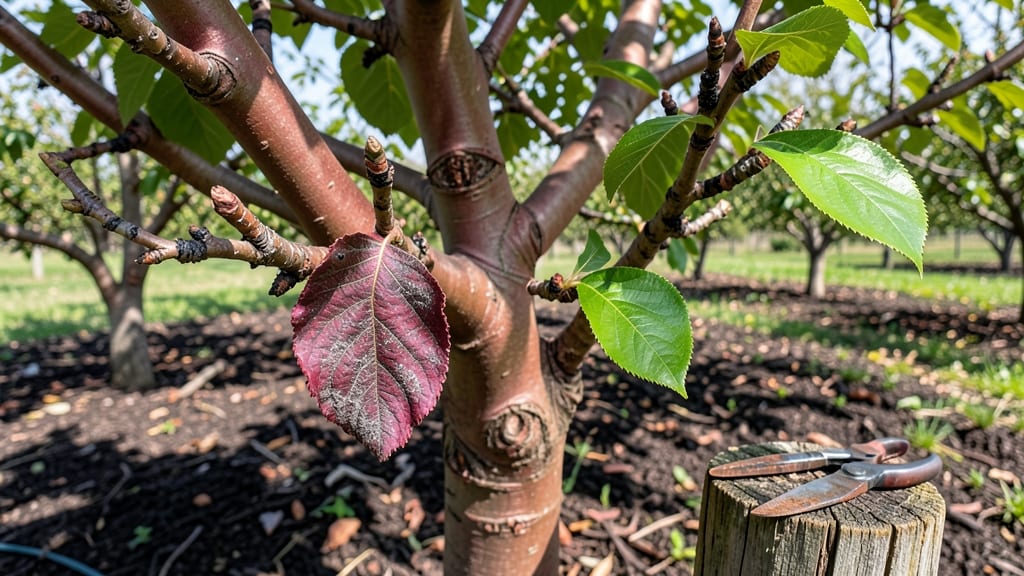
Peach tree leaf curl fungus turns your tree’s spring promise into a sad, puckered mess—but there’s a fast organic fix. 🌿 I’ve watched this disease twist beautiful peach leaves into thick, curled husks, and the good news?
A copper spray applied at the right time stops it dead. The key is acting early, before the fungus gets a foothold in your tree’s new growth.
This fungus spreads like wildfire when spring rains hit dormant spores on old leaves. You’ll spot the curled, red or purple leaves first—sometimes before buds even swell. Most gardeners wait too long, but a single spray in late winter or early spring (before buds break) can save your tree’s season.
No more throwing away half your harvest to ugly, stunted fruit.
Your peach tree will reward you with smooth, vibrant leaves by summer and a bumper crop of juicy fruit. The spray works best when mixed with baking soda for extra protection, and it’s safe for bees once the tree blooms.
The secret? Consistency—repeat every 2-3 weeks until new leaves unfurl fully.
Works for home orchards, backyard trees, and even container-grown peaches. Here’s the exact timing and mix that’s saved my trees year after year—no more leaf curl, no more wasted effort. Let’s get your tree back to thriving.
Root Causes of Leaf Distortion
Peach tree leaf curl isn’t just a random quirk of nature—it’s a fungal infection with specific triggers that create the perfect storm for curled, puckered leaves. Understanding these causes is the first step to stopping the problem before it spreads.
Let’s break down the science behind why this fungus takes hold and how environmental factors play a role.
🌡️ Wet, Cool Springs Spark Infection
The Taphrina deformans fungus, responsible for leaf curl, thrives in moist, chilly conditions—especially during early spring. Here’s why timing matters:
- Rainy, damp springs: The fungus spreads via ascospores (tiny fungal spores) released from infected leaves or buds. When spring rains linger, these spores splash onto new growth, infecting tender leaves before they fully harden.
- Temperature sweet spot (50–65°F): Cooler temps slow leaf growth but keep the fungus active. Warmer days (>70°F) can halt spore release, but if the season stays damp, the fungus keeps spreading.
- Bud break vulnerability: As buds swell in early spring, they’re prime targets. The fungus invades through tiny wounds or natural openings, causing cells to multiply abnormally and curl.
Pro tip: 🌡️ Monitor your local weather forecast. If your area predicts consistent rain + temps below 65°F during bud break, act fast with preventive sprays.
🌿 Overcrowded or Stressed Trees
Healthy peach trees resist infections better, but stress—whether from poor spacing, nutrient deficiencies, or pest damage—opens the door for leaf curl. Key stressors include:
- Poor airflow: Trees planted too closely or with dense canopies trap moisture, creating a humid microclimate that fuels fungal growth. Fungal spores love to linger in damp, shaded leaves.
- Nutrient imbalances: Low nitrogen or potassium weakens leaves, making them easier targets. A soil test can reveal deficiencies—aim for balanced NPK (e.g., 10-10-10) in early spring.
- Prior damage: Insects (like aphids or mites) or winter injury create entry points for the fungus. Prune out damaged branches in dormant season (late fall/winter) to remove potential infection sites.
Pro tip: ✨ Thin out branches to improve airflow, and mulch 2–3 inches deep (but keep it 6 inches away from the trunk) to reduce soil-borne stress.
🍄 Fungal Spores Hiding in the Tree
Leaf curl fungus doesn’t just appear out of nowhere—it often overwinters in your tree, waiting for the right conditions to strike. Here’s how:
- Infected leaves/buds: Last year’s curled leaves may still cling to branches or molder on the ground. Even if they look dead, ascospores can survive for years in these tissues.
- Dormant buds: The fungus can lie dormant inside buds until spring warmth triggers spore release. This is why pruning infected wood in late winter is critical.
- Contaminated tools/soil: Fungal spores can hitchhike on pruners, shoes, or even water from infected trees. Always sterilize tools with rubbing alcohol between trees.
Pro tip: 🔪 Remove and destroy (don’t compost!) all fallen leaves and mummified fruit from under the tree. Bag them and toss in the trash to break the fungal cycle.
🌍 Fungal Spread from Nearby Trees
Leaf curl isn’t just a solo act—it’s highly contagious among peach, nectarine, and plum trees. Spores can travel via:
- Wind: Light spores ride air currents for up to 1 mile, infecting nearby orchards or home gardens.
- Bees/insects: Pollinators can transfer spores between flowers, especially in commercial orchards.
- Shared equipment: Farm tools, tractors, or even bird activity can spread spores from infected to healthy trees.
Pro tip: 🌳 If you’re in a neighborhood with peach trees, monitor them early. Isolate new trees with a 3-foot buffer of non-host plants (like marigolds) to disrupt spore movement.
Fixing Fungal Leaf Issues Naturally
Now that you understand why your peach tree’s leaves are curling, it’s time to take action! The good news is that with the right approach, you can restore your tree’s health—without harsh chemicals.
Below are practical, organic solutions tailored to the root causes of leaf curl, from fungal infections to environmental stressors.
If leaf curl is caused by Taphrina deformans (the peach leaf curl fungus), early intervention is key. Here’s how to tackle it:
🔥 Step 1: Remove & Destroy Infected Leaves
- 🍳 Collect all curled, thickened, or discolored leaves from the ground and tree.
- 🔪 Prune any severely infected branches (sterilize pruners with rubbing alcohol between cuts).
- 🗑️ Dispose of infected debris in the trash (not compost)—do not leave it near the tree.
🥘 Step 2: Apply an Organic Fungicide Spray Use one of these DIY or store-bought options for a fast, effective fix:
- 🌿 Baking Soda Spray (Best for prevention & mild infections):
- Mix 1 tbsp baking soda + 1 tsp horticultural oil + 1 tsp mild soap + 1 gallon water.
- Spray thoroughly (top and bottom of leaves) every 7–10 days until new growth appears.
- 🍯 Neem Oil Spray (Fungicidal & prevents spores):
- Combine 1 tbsp neem oil + 1 tsp soap + 1 quart water.
Shake well and spray at dusk (avoids burning leaves). - 🍄 Copper Fungicide (For severe infections—use organic copper-based sprays like Copper Septicide). - Follow label instructions—reapply after rain.
⏰ Step 3: Timing Is Everything
- 🌱 Late Winter/Early Spring (Before Bud Break):
- Spray dormant trees (when leaves are still curled but not fully open) for maximum effectiveness.
- 🍃 Summer Maintenance:
- Reapply sprays every 4–6 weeks during wet seasons to prevent reinfection.
If leaf curl is due to overwatering, nutrient deficiency, or poor drainage, correct these issues first:
💡 Pro Tip: The Right Watering Schedule
- 📊 Water deeply but infrequently—peach trees hate soggy roots.
- ✨ Check soil moisture before watering: Stick your finger 2 inches into the soil; if dry, water.
- 🌧️ Improve drainage by adding compost or sand to heavy clay soil.
🍎 Boosting tree health with nutrition weak trees are fungus magnets.
Strengthen yours with: - 💪 Balanced Fertilizer (10-10-10 or organic options like fish emulsion). - 🥗 Mulch Properly (2–3 inches of wood chips or straw, keeping it 6 inches away from the trunk). - 🌿 Prune for Airflow (Remove dense branches to reduce humidity and fungal spread).
Once your tree recovers, prevent future outbreaks with these easy habits:
| Prevention Step | How to Do It |
|---|---|
| 🌱 Early Spray Schedule | Apply neem oil or baking soda spray in late fall & early spring. |
| 🧹 Clean Up Fallen Leaves | Rake and remove all debris from under the tree year-round. |
| 🌡️ Monitor Moisture | Avoid overhead watering—use drip irrigation instead. |
| 🍃 Choose Resistant Varieties | If possible, plant leaf curl-resistant peach cultivars (ask at nurseries). |
🔥 Final Reminder: Consistency is key! One treatment won’t cure it forever—stay vigilant, especially during spring rains and fall leaf drop. With patience and the right care, your peach tree will bounce back stronger—and you’ll enjoy lush, healthy leaves (and sweet fruit!) in no time. 🍑✨
Frequently asked questions
Why do peach tree leaves curl in spring?
The curled, thickened leaves are caused by the fungus Taphrina deformans, which thrives in cool, wet springs. The fungus releases spores that infect new growth as buds swell, causing abnormal cell growth and leaf distortion. This is most common in early spring (March-April) when temperatures hover between 50-65°F.
Can I save my peach tree if the leaves are already curled?
Yes, but act fast! Remove all infected leaves immediately and apply an organic fungicide like neem oil or copper spray before new growth appears. For best results, spray dormant trees in late winter (before buds break) to prevent spread. Repeat every 2-3 weeks during wet seasons.
Is baking soda really effective against peach leaf curl?
A baking soda spray (1 tbsp baking soda + 1 tsp horticultural oil + 1 tsp soap per gallon of water) creates an alkaline environment that inhibits fungal spores. It works best for prevention and mild infections. Spray thoroughly on both leaf surfaces every 7-10 days during spring bud break for maximum protection.
Will pruning help stop the spread of leaf curl?
Yes, but only if done correctly. Prune out all infected branches in late winter or early spring, before buds swell. Sterilize your pruners with rubbing alcohol between cuts, and never compost the removed debris—bag and discard it to prevent spore survival. Focus on improving airflow by thinning dense branches.
Are there peach tree varieties resistant to leaf curl?
Some varieties show better resistance, like 'Redhaven' or 'Elberta', but no peach tree is completely immune. For best results, choose disease-resistant cultivars from reputable nurseries and combine them with preventive sprays (like neem oil) and proper tree care practices to minimize risk.